CHANNEL ARCHIVE

Culture

Dispatches, commentary, and media logs from the open web.

  • 2
    haring, araki and perfume genius refuse to behave

    haring, araki and perfume genius refuse to behave

    Keith Haring, Gregg Araki’s The Living End and Perfume Genius’s Queen: three ways to be visible without being agreeable. Read more

    Keith Haring: beyond the merchandise

    Keith Haring’s line is familiar enough to become visual wallpaper. His foundation’s biography is a useful way back to the artist: public drawing, accessible imagery and an involvement with subjects including sex, war, birth and death. Look for the purpose behind the recognizable style. An image can be immediately legible without being politically empty.

    Read the Keith Haring Foundation biography.

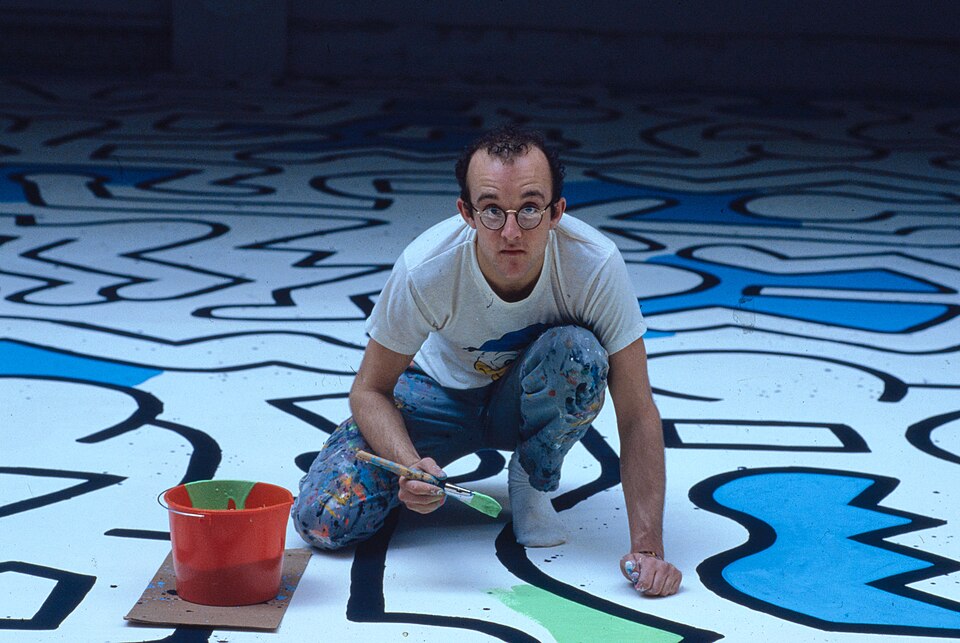
    Keith Haring paints a bold black figure on a wall at the Stedelijk Museum in 1986.

    The Living End

    Not every queer film needs to arrive with a reassuring handshake. Gregg Araki’s The Living End is a useful reminder that cinema can also be angry, sexual and deliberately difficult company.

    Strand Releasing describes the film as an outlaw-couple romance about two HIV-positive men on the run in 1990s America. Mike Dytri and Craig Gilmore star. Araki later personally remastered, recolored and remixed the film.

    The premise joins intimacy to flight rather than settling down. That makes it an interesting counterpoint to the idea that queer representation earns its value by presenting exemplary citizens. A fictional character can be compelling without being a spokesperson, a role model or somebody you should trust with your car.

    The point is not to turn illness into a metaphor for danger. It is to recognize that a story about people living under social pressure does not owe its audience a soothing response. Desire, rage and humor are allowed to share the frame.

    For an after-dark watchlist, this is the pick for a night when polished reassurance sounds less useful than a rough edge. It is a film to engage with, not a lifestyle brochure.

    Film details and official trailer at Strand Releasing. Adult sexual themes, violence and discussion of HIV/AIDS.

    Perfume Genius: Queen

    Perfume Genius holds a microphone onstage in a patterned shirt at Interstellar Rodeo in Edmonton in 2019.

    For the music slot, Queen comes with a useful maker credit: Perfume Genius’s official page identifies SSION as its director and Too Bright as its album. Let the video sit beside Araki rather than using it as background decoration. Both selections make a useful starting point for thinking about the difference between being visible and being agreeable. Nobody here needs a corporate welcome banner.

    Official Queen video page.

    image credits

    Featured image: Keith Haring painting at the Palladium, May 1985. Bernard Gotfryd / Library of Congress, via Wikimedia Commons; no known copyright restrictions on the photograph. Artwork by Keith Haring. Body: Keith Haring at the Stedelijk Museum, March 14, 1986. Rob Bogaerts / Anefo / Nationaal Archief, via Wikimedia Commons (CC0). Perfume Genius at Interstellar Rodeo, Edmonton, 2019: Levi Manchak, via Wikimedia Commons (CC BY 2.0), resized without cropping. This is an archival concert photograph, not a still from Queen.

    Fediverse Reactions
  • 1
    x-rays, hockey, and a vampire with receipts

    x-rays, hockey, and a vampire with receipts

    November 8: Röntgen’s unknown rays, HBO’s opening night, and Dracula’s very organized paper trail. Read more

    A few things worth knowing · November 8, 2026

    Today: a discovery that made flesh less opaque, the beginning of HBO, and a vampire novel with an unusually serious filing system.

    1895: the mysterious ray gets an appropriately vague name

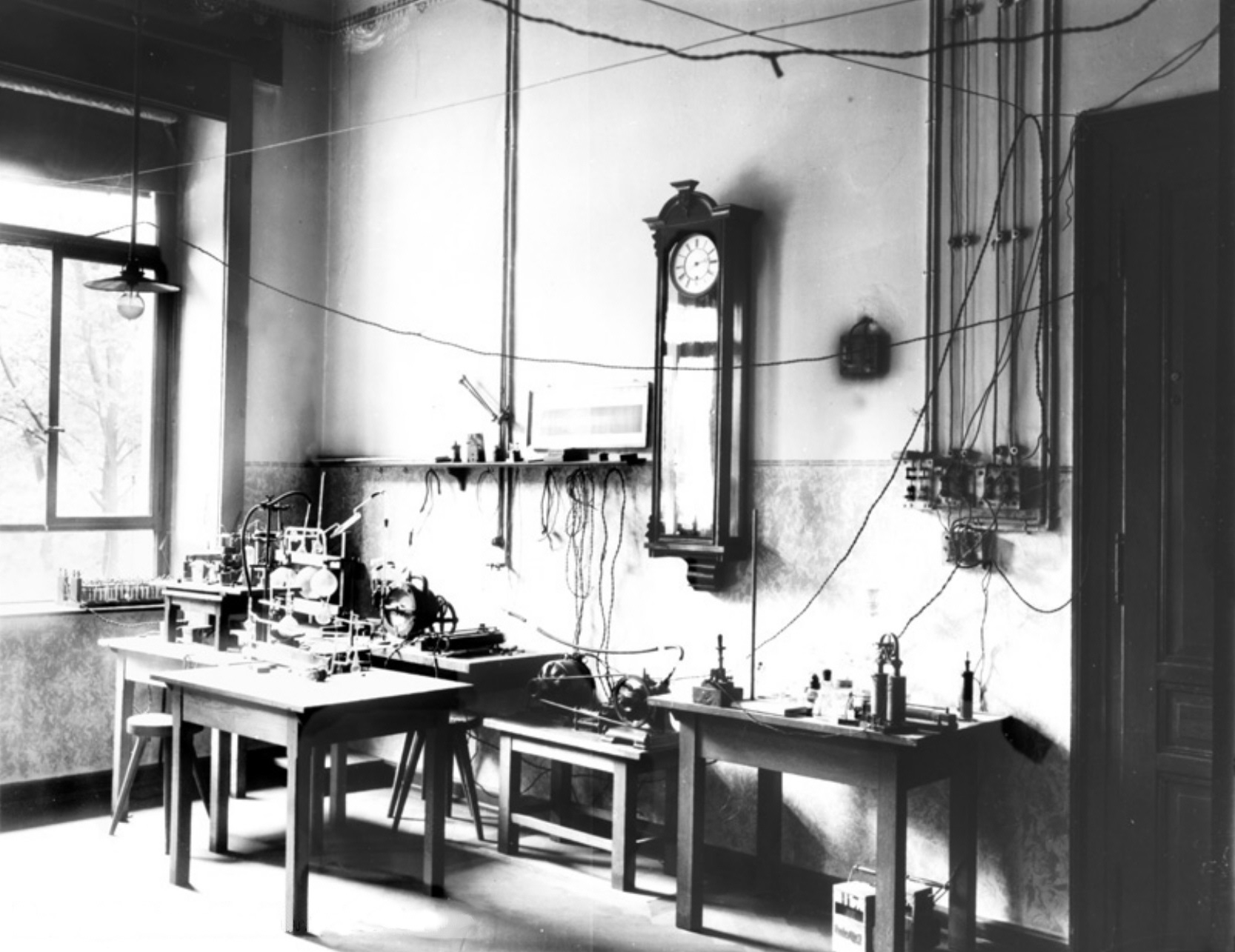
    On November 8, Wilhelm Conrad Röntgen discovered previously unknown rays while working with cathode-ray tubes at the University of Würzburg. The “X” was the mathematical unknown, not an early attempt at edgy branding. His discovery earned the first Nobel Prize in Physics in 1901.

    There is something satisfying about a name that admits the scientist still has questions. “X-ray” has considerably more staying power than most placeholder names. Source: ETH Zurich.

    1972: before prestige television, there was hockey

    HBO launched on November 8, 1972, with opening-night programming that included the Vancouver Canucks against the New York Rangers. Its early proposition centered on commercial-free films and live events; the landmark scripted series came later.

    A useful corrective to the idea that a network arrives fully formed with a leather sofa and a complicated antihero. Sometimes the first order of business is a puck. Source: NCTA’s HBO anniversary history.

    evergreen: dracula is a paperwork problem

    Yellow Dracula binding with red lettering, imitating the 1897 first-edition design

    Bram Stoker’s Dracula is assembled from journals, letters, newspaper material and other records rather than told by one all-knowing narrator. Even Dr. Seward’s phonograph diary appears in the chapter headings. The vampire is supernatural; the information-management problem is painfully recognizable.

    That patchwork makes the reader compare accounts and piece together the threat. Horror, with receipts. Read the original novel at Project Gutenberg.

    Image credits: Featured photograph of Röntgen’s laboratory, unknown photographer, 1895–1900, Deutsches Röntgen-Museum via Wikimedia Commons, public domain. Dracula binding image imitates the 1897 first-edition design; Wikimedia Commons, public-domain reproduction.

    Fediverse Reactions
  • 4
    the hanky code was an interface you could put in your pocket

    the hanky code was an interface you could put in your pocket

    A square of fabric is an admirably low-maintenance communication device. No battery, no notification settings, no man announcing that he is “rarely… Read more

    A square of fabric is an admirably low-maintenance communication device. No battery, no notification settings, no man announcing that he is “rarely on here” while remaining permanently online.

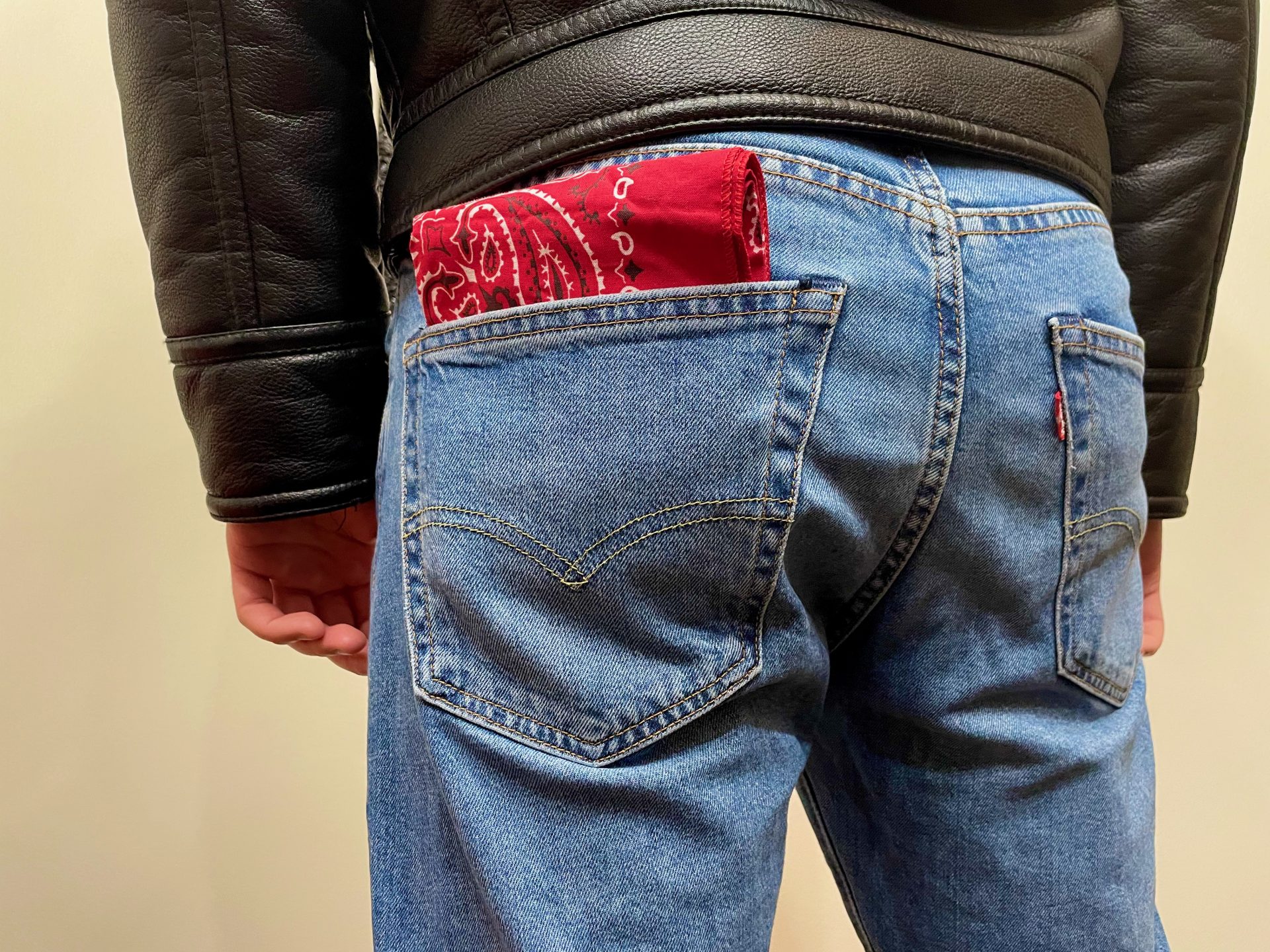
    The hanky code used color and placement to communicate sexual interests. In its account of the practice, Queer History Boston describes bandanas worn in back pockets among queer men in the 1970s and 1980s, with printed decoder cards distributed by shops and bars. The material was ordinary. The shared reading made it useful.

    That is the design story worth paying attention to: not an exhaustive color chart, but an everyday object acquiring an additional layer of meaning. The bandana does not need a screen because the person looking supplies the decoder. To someone outside the convention, it can remain a bandana. To somebody who recognizes the signal, it can begin a conversation.

    There is pleasure in that economy. An accessory becomes both part of an outfit and a piece of information. It can be removed, changed, folded down or made more conspicuous. The wearer has a kind of immediate control that a permanently circulating profile photograph cannot quite offer.

    Several differently colored bandanas tucked into the back pockets and waistband of blue jeans.

    The printed cards are just as important as the cloth. Queer History Boston notes that businesses supplied lists alongside bandanas and that bars used the cards to advertise their locations. So the system was not purely spontaneous, whispered knowledge. It had a small publishing and distribution infrastructure. Someone had to make the convention readable, and someone had to put that explanation where interested people could find it.

    A blue printed hanky-code card from the Boston Eagle/L&L Shop, arranged in Color, Left and Right columns.

    That commercial detail does not cancel the culture. It makes the culture tangible. Shops, bars and printers helped circulate the vocabulary. Desire needed places to meet, and those places needed people to know they existed. A pocket-sized key could do more than one job.

    It is tempting to turn this into a nostalgic claim that communication used to be simpler. It was not necessarily simple, universal or safe. A code depends on context, and different readers may not share the same assumptions. The sensible modern lesson is not that a piece of cloth can replace a conversation. It is that communities can make meaning out of things that were not sold to them as communication platforms.

    For the same reason, a bandana is not proof of anyone’s orientation or preferences. Even within a scene, a signal is an opening, not consent. Outside it, the accessory may be doing nothing more complicated than keeping hair out of somebody’s face. The distinction is not a prudish footnote; it is what keeps the design from being mistaken for a machine that can read people.

    The best part of the hanky code is its modesty as an object. A little cloth, a shared convention, a possibility of recognition. It does not need to know your location continuously. It only asks whether somebody nearby understands what you chose to show.

    Not every interface needs a venture-capital round.

    sources

    Queer History Boston: The Hanky Code, J. Raúl Cornier.

    Leather Hall of Fame: 2019 induction booklet, Samois history. Documents how printed color-code cards circulated and were adapted; no claim of one universal chart.

    Image credits: red bandana, OiYoiYoink (2024); colored bandanas, Muzzlesf (2009), both CC0. Historical Boston Eagle/L&L Shop card reproduced by Queer History Boston.

    Fediverse Reactions
  • public television, two nobels, and some very busy tape

    public television, two nobels, and some very busy tape

    November 7: public broadcasting gets a mandate, Marie Curie collects qualifications, and Doctor Who’s future is built from tape. Read more

    a few things worth knowing · november 7, 2026

    Today’s small pile of useful knowledge: a law that gave educational broadcasting more room, a scientist with an unreasonable number of Nobel Prizes, and a television theme assembled the hard way.

    on this day: television got a public-service assignment

    On November 7, 1967, Lyndon B. Johnson signed the Public Broadcasting Act, creating the Corporation for Public Broadcasting and providing support for educational radio and television. His signing remarks imagined music, drama, and serious reporting sharing the airwaves. Television was being asked to have range, which remains a reasonable request of a rectangle that occupies that much of the living room. Read the signing remarks.

    President Lyndon B. Johnson signs the Public Broadcasting Act at his desk on November 7, 1967.

    on this day: marie curie began an overachieving résumé

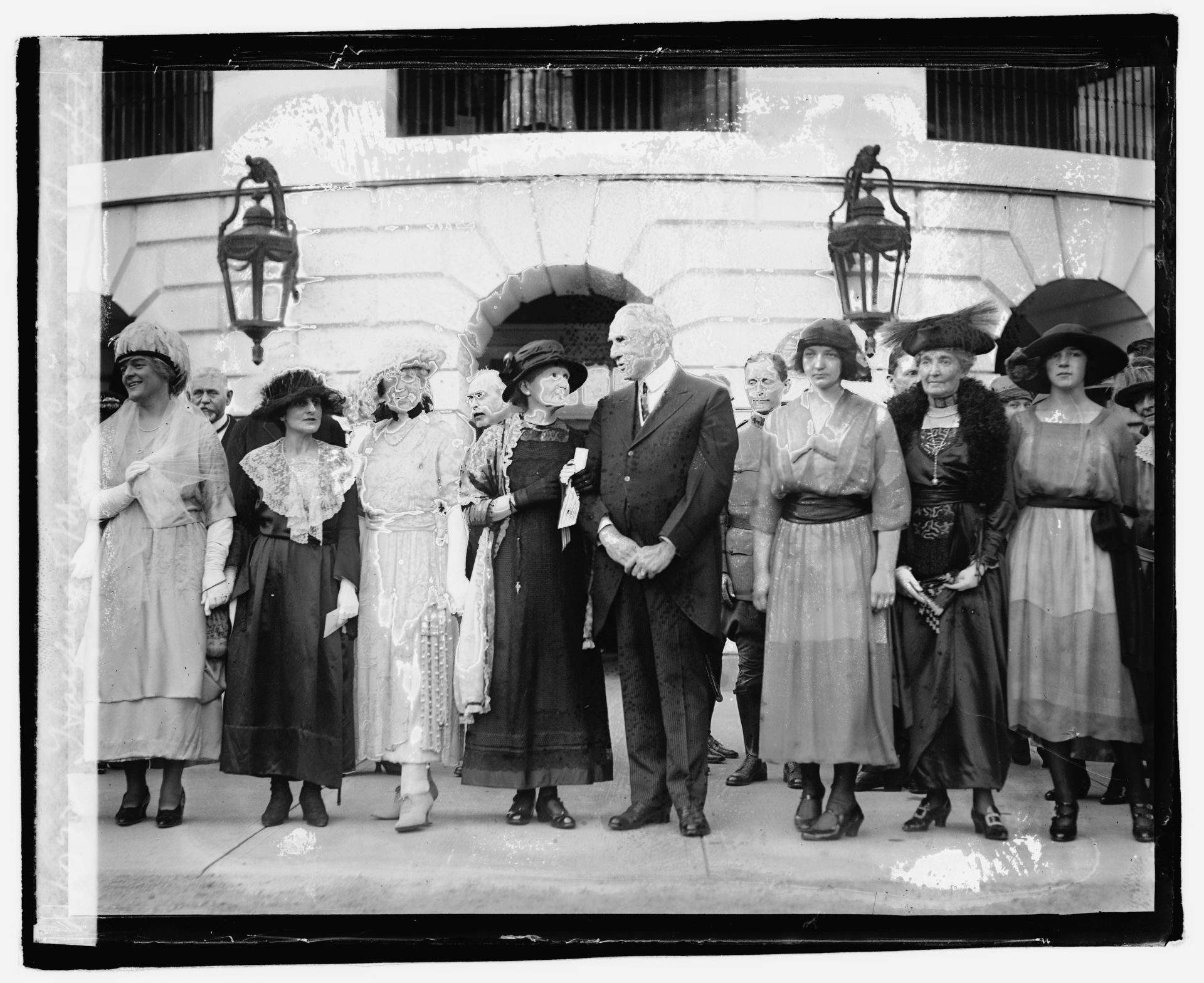
    Marie Skłodowska Curie was born in Warsaw on November 7, 1867. She shared the 1903 Nobel Prize in Physics and received the 1911 Nobel Prize in Chemistry for work involving radium and polonium. One Nobel would have been a perfectly adequate answer to “so, what do you do?” Two in different fields makes the question feel poorly researched. National Park Service biography.

    evergreen curiosity: the doctor who theme required actual cutting and pasting

    Ron Grainer wrote the original Doctor Who theme; Delia Derbyshire realised its electronic sound at the BBC Radiophonic Workshop in 1963. She cut, spliced, and manipulated tape recordings of white noise, a test-tone oscillator, and a plucked string. Before a timeline could be dragged around on a screen, the future had to be assembled with physical pieces of tape. That familiar unearthly noise is also an excellent argument for crediting the person who made the thing sound like the thing. Hear about the recording at Australia’s National Film and Sound Archive.

    image credits

    Featured photograph: Marie Curie with President Warren G. Harding and the reception party, May 20, 1921, National Photo Company Collection / Library of Congress, npcc.04183, no known restrictions on publication. Body photograph: Frank Wolfe / LBJ Presidential Library, C7317-5A, public domain.

  • perkin warbeck chose a very inconvenient family to impersonate

    perkin warbeck chose a very inconvenient family to impersonate

    A fake prince and a real earl ended up in the Tower of London. The identity confusion is complicated. Henry VII’s solution… Read more

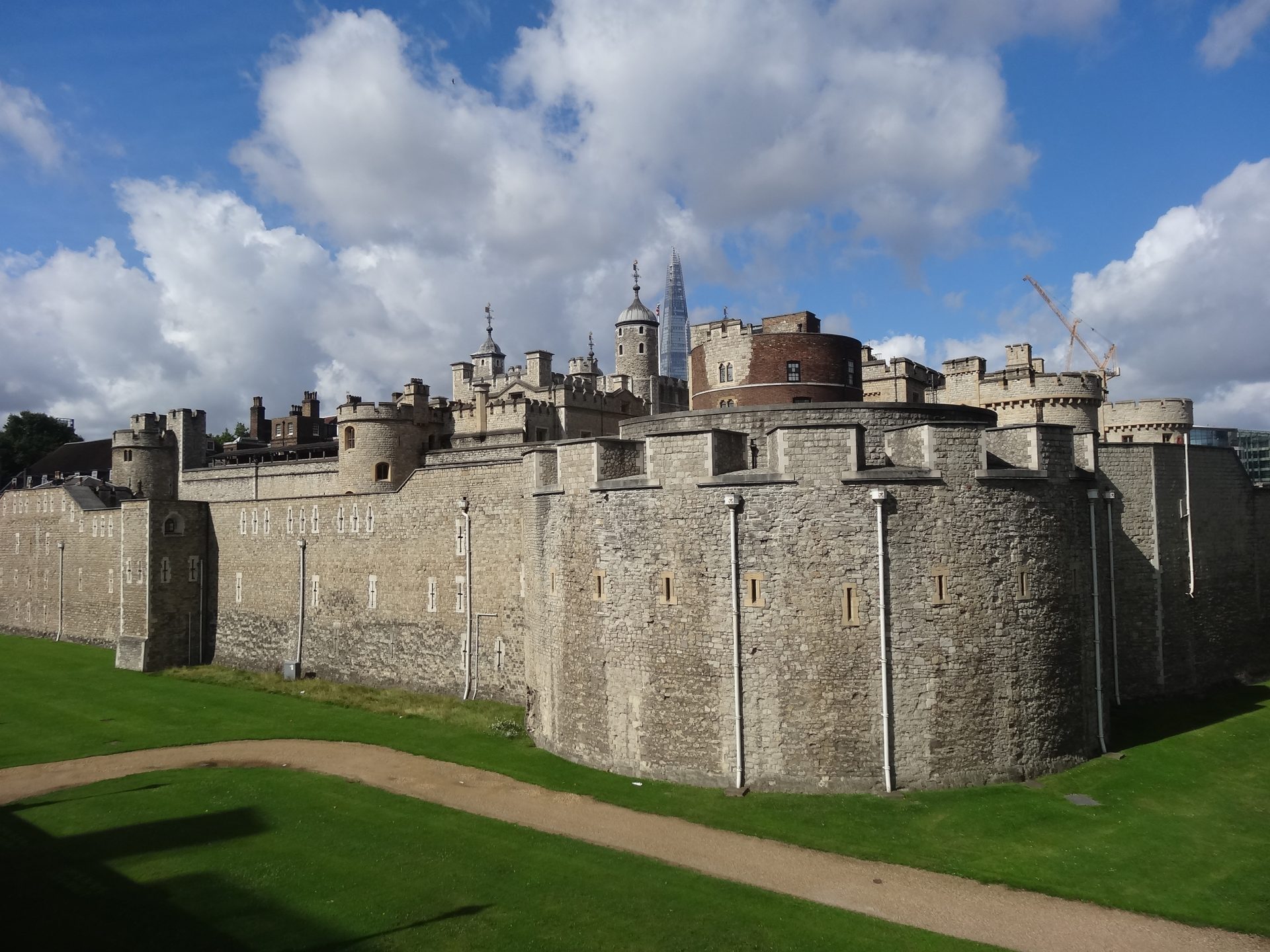
    By 1499, the Tower of London held Perkin Warbeck, who had spent years claiming to be a missing prince, and Edward, Earl of Warwick, whose royal relatives were unfortunately real. Both would be executed that November. Henry VII had found a problem with each man’s family tree and selected the same general solution.

    There is a particularly nasty irony here, but first we need the correct Edward. Tudor history contains enough interchangeable names to qualify as a password-security incident.

    please select a prince

    Drawing of Perkin Warbeck with shoulder-length hair and a folded cap, attributed to Jacques Le Boucq.

    Warbeck’s claim was that he was Richard of Shrewsbury, Duke of York, the younger of the Princes in the Tower. Richard and his brother Edward V had disappeared from public view in 1483. Their fate remains disputed, which left a useful opening for someone announcing that one of them had survived.

    Warbeck took that opening international. Important backers included Margaret of York, the real Richard’s aunt, and James IV of Scotland. A disputed identity becomes considerably more dangerous when foreign rulers are willing to fund the argument. Historic Royal Palaces traces his claim and the unresolved mystery behind it.

    Warwick was a different person: the son of George, Duke of Clarence, and a nephew of Edward IV. That made him the missing princes’ cousin. Early in Warbeck’s Irish adventures, people identified him as Warwick, then as an illegitimate son of Richard III. According to historian Hannes Kleineke, Warbeck denied both identities before adopting Richard’s. The names were being workshopped, apparently.

    the genuine article was also a problem

    The pretender who actually impersonated Warwick was Lambert Simnel. In 1487, Henry had the real Warwick taken out of the Tower and displayed publicly, including at St Paul’s, to demonstrate that the supposed escaped earl was still in his custody. The historical account describes this brief appearance before Warwick returned to imprisonment.

    Imagine being brought out as the official correction to somebody else’s identity fraud, then locked up again because your authentic identity is also inconvenient. Warwick’s family connections made him useful to Henry’s enemies whether he wanted the job or not.

    Warbeck arrived by a more circuitous route: failed military ventures, surrender in 1497, and an initial period of relatively lenient custody. After an escape attempt, Henry confined him in the Tower. The career change from royal claimant to royal prisoner was now complete. Kleineke’s account follows the collapse of the campaign.

    Henry Marriott Paget's 1884 imagined scene of Perkin Warbeck standing in a pillory above a crowd, with an official reading beside him.

    two prisoners, two executions

    In 1499, Warbeck and Warwick were implicated in an alleged escape conspiracy. Warwick was also accused of plotting to depose Henry. The evidence and political motives deserve more caution than a neat adventure story allows: this was a prosecution controlled by the king whose rivals were conveniently on trial. Conor Byrne’s account questions the evidence against Warwick.

    Warbeck was hanged at Tyburn on November 23, 1499. Warwick was beheaded at Tower Hill on November 28. They were not executed together, and Warwick was not the prince Warbeck claimed to be. Their linked downfall was still brutally efficient. Warbeck’s execution; Warwick’s execution.

    The final insult is that Simnel, Warwick’s actual impersonator, survived and entered Henry’s service. The counterfeit got a job. The original spent his youth imprisoned and lost his head.

    Warbeck tried to become royal enough to take the crown. Warwick was born royal enough to threaten it. In Henry VII’s England, either could get you killed.

    image credits

    Featured image: 2017 Exterior of Tower of London, Jordiferrer, CC BY-SA 4.0; displayed at reduced size, otherwise unchanged. Portrait: Perkin Warbeck, attributed to Jacques Le Boucq, Recueil d’Arras, via Wikimedia Commons, public domain. Pillory illustration: Perkin Warbeck in the pillory, Henry Marriott Paget, 1884, via New York Public Library/Wikimedia Commons, public domain; a later imagined scene, not a contemporary depiction. Body images displayed at reduced size, otherwise unchanged.

  • the barefoot rabbit has better things to do than hide the countertops

    the barefoot rabbit has better things to do than hide the countertops

    a kayak planter, a kitchen full of snacks, and a very reasonable defense of enjoying the house you actually live in. a… Read more

    A home should be allowed to contain evidence that someone lives there. Apparently this remains a contentious design position. November tends to arrive with suggestions that every room needs a second career as a seasonal showroom, which makes The Barefoot Rabbit a useful tab to open instead.

    Jenn, who writes on the site as Rabbit, has built a small archive around gardening, food, and the work of making a home feel good to the people actually in it. There are personal essays alongside the practical bits. The through line is a willingness to begin with the space, materials, and life already available. The countertops do not have to audition first.

    the burrow does not need a rebrand

    Start with “Burrow Core,” her February essay about a home full of books, blankets, crafting supplies, and people who know where to get comfortable. She connects the idea to the Weasleys’ house and the little homes inhabited by clothed cartoon animals. A fairly compelling architectural committee.

    The interesting part is where she takes that comparison. She is comfortable with a house that has limitations and still does its job: making room for meals, company, and ordinary life. There is an actual argument underneath the cozy vocabulary about how much time and energy to exchange for a more impressive-looking home. The birthday-snack photograph makes the point without needing a mood board. Chips, flowers, drinks, somewhere to gather. The room is employed.

    A kitchen counter set with chips, dips, flowers, string lights, and drinks.
    Birthday snacks from “Burrow Core.” Image: The Barefoot Rabbit.

    the kayak has entered its gardening era

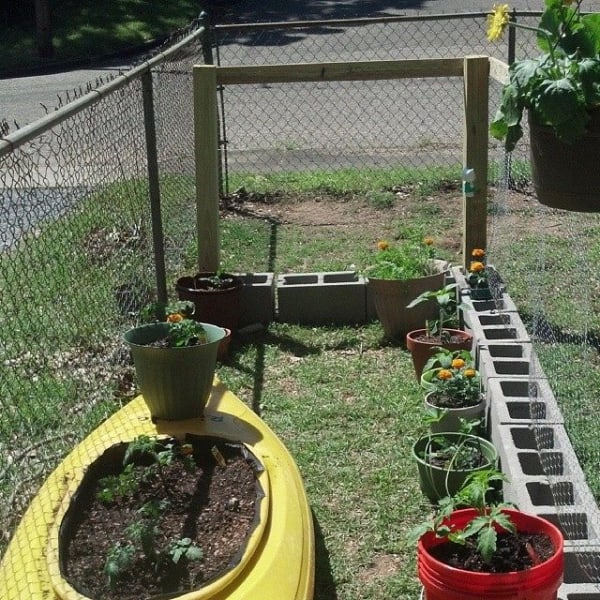
    Her early garden essay has the detail that sells the whole project: an old kayak used as a planter. The post looks back at a modest container garden and forward to a bigger backyard experiment, with more knowledge accumulating between the two. It leaves the learning visible. There is dirt, a mix of containers, and a person figuring out what to do next.

    She also points readers toward Jessica Sowards’ Roots & Refuge as an influence. Following that link leads to genuinely useful, small-scale ideas, including growing in bags of potting soil. It is a good companion read if the grand gardening plan keeps getting postponed until the arrival of a grander property. Apparently the existing bag of dirt is willing to take a meeting.

    A yellow kayak planted with seedlings beside buckets, flowerpots, and a cinder-block garden border.
    The container garden, including its repurposed kayak, in Rabbit’s garden essay. Image: The Barefoot Rabbit.

    some days you make bread. some days you coat cereal in chocolate.

    The kitchen side has a similarly useful range of ambition. There is a bread-making reel on her Instagram, a little window into a project in progress rather than a kitchen with all evidence of cooking removed. For the other end of the effort spectrum, her Christmas snack mix brings cereal, pretzels, peanuts, and candy together with white melting chocolate.

    The recipe gives the quantities and method, plus suggestions for changing the candy colors or adding other little bits. A useful holiday bookmark for anyone whose contribution needs to travel in a bag. The ingredient links on that original post are disclosed Walmart affiliate links; you can read the recipe without turning it into a shopping assignment.

    White-chocolate-coated cereal, pretzels, candy, and small cookies spread on parchment.
    The finished Christmas snack mix. Image: The Barefoot Rabbit.

    a few good places to start

    That is the appeal of this particular rabbit hole: a planter improvised from something that once belonged on the water, a snack that can become a small gift, and an essay defending the perfectly reasonable desire to enjoy your own house. You can take an idea away without acquiring an entirely new personality.

    Read “Burrow Core”, save the snack-mix recipe, and wander through the blog. Her Instagram has more of the work in motion. The kayak, at least, has found a productive second act.

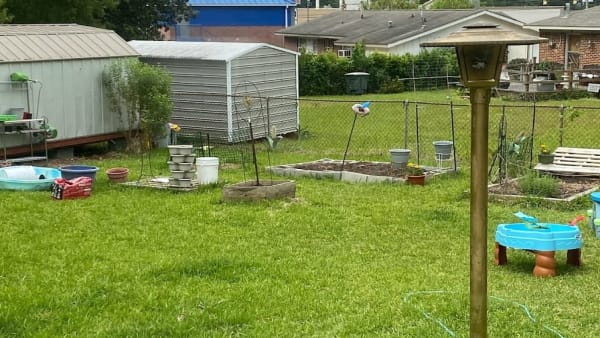
    Featured photograph: The Barefoot Rabbit’s garden. Image: The Barefoot Rabbit.

  • android made an entrance; artoo supplied the voice

    android made an entrance; artoo supplied the voice

    November 5 brings Android’s announcement anniversary, the organizer behind the Gunpowder Plot, and the surprisingly human half of R2-D2. Read more

    A few things worth knowing · November 5, 2026

    A mobile platform’s birthday, a conspiracy with misleading top billing, and the human behind a very opinionated robot.

    on this day: android made the announcement before the apps

    Google’s current green Android robot head with two antennae and black eyes.

    Android™ was announced on November 5, 2007, nineteen years ago today. Google’s Dan Morrill later recalled hearing Andy Rubin and Eric Schmidt introduce it, with the first early-look software development kit still a week away. This anniversary belongs to the platform’s announcement, not the arrival of a finished handset in stores. Even its birthday comes with a version distinction. Source: Android Developers.

    on this day: guy fawkes was not the project manager

    The Gunpowder Plot targeted the opening of Parliament on November 5, 1605, but Robert Catesby was its central organizer. Guy Fawkes was guarding the explosives beneath the House of Lords when the plot was uncovered the night before. He had been posing as a servant under the name John Johnson. History kept the better stage name, while Catesby’s leadership became the part that needs explaining. Source: UK Parliament’s account of the plot and Fawkes biography.

    evergreen: artoo was half synthesizer, half man making noises

    Ben Burtt’s first attempts at R2-D2 sounded too electronic to convey much feeling. The solution was a roughly equal blend of synthesizer sounds and Burtt’s own vocal inflections, giving the droid a performance rather than just a collection of beeps. Chewbacca took the opposite route: Burtt assembled animal recordings, including bears, badgers and walruses, into emotionally organized pieces. One character needed a human; the other needed a small zoo. Source: StarWars.com.

    Burtt explains the Chewbacca process in the official archive interview:

    Image credits: current Android robot artwork, Google, via Android Developers; it is not a 2007 illustration. The Android robot is reproduced or modified from work created and shared by Google and used according to terms described in the Creative Commons 3.0 Attribution License. Artwork unmodified. Android is a trademark of Google LLC. Video: Lucasfilm/Star Wars, linked from its official sound-effects feature.

  • 2
    kinect turns sixteen; the comet supplied its own special effects

    kinect turns sixteen; the comet supplied its own special effects

    November 4: Kinect reaches its sixteenth anniversary, EPOXI visits a very active comet, and Nintendo’s playing-card years stretch much further back than… Read more

    a few things worth knowing · wednesday, november 4, 2026

    November 4, 2010 was busy: Xbox asked people to become the controller, and a spacecraft visited a comet with excellent stage presence. Two anniversaries, followed by an evergreen detour into Nintendo’s considerably less electronic beginnings.

    today in history: kinect turns sixteen

    Kinect for Xbox 360 launched in the United States on November 4, 2010. Microsoft’s pitch was controller-free play: the sensor tracked body movements and gestures, with voice commands joining the performance. The living room had acquired a motion-capture department.

    Microsoft Research’s first-anniversary account credits work on audio, skeletal tracking, and facial recognition. That is the interesting engineering underneath the waving: the system had to turn a person’s movements into something software could use. Sixteen years later, “be the controller” still sounds like a job description that should come with breaks. Microsoft’s anniversary account · the original launch announcement.

    today in history: the comet supplied its own special effects

    On the same date in 2010, NASA’s EPOXI mission flew past comet Hartley 2. This was the reused Deep Impact spacecraft, which had already visited Tempel 1 in 2005. A second comet was a fairly ambitious encore.

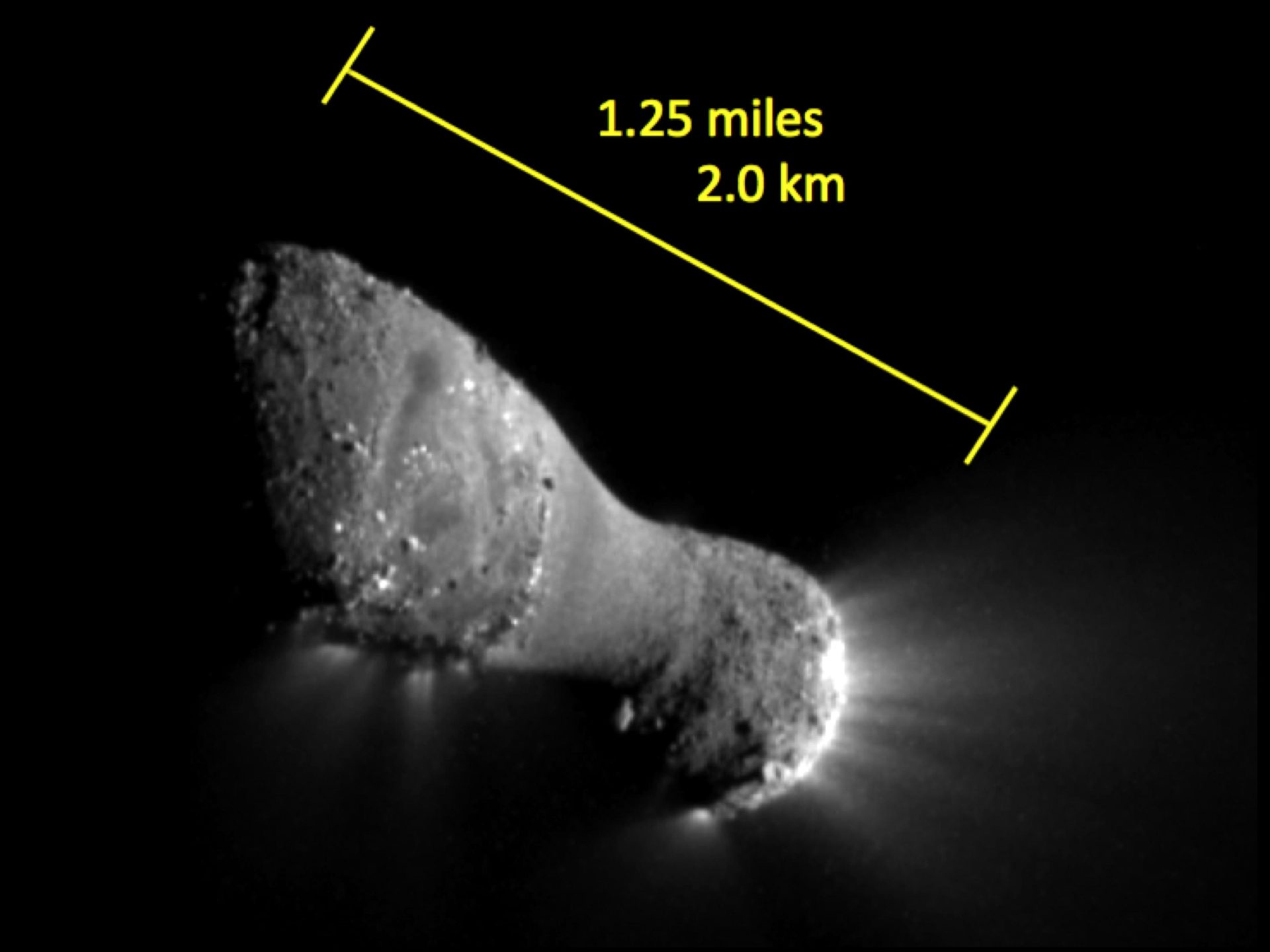
    Hartley 2’s nucleus is roughly two kilometers long, with rough ends and a smoother, narrower middle. The mission found carbon dioxide driving icy grains out into the surrounding cloud. A small object could put on a surprisingly elaborate production. NASA/JPL’s mission account · the full-nucleus photograph.

    Enhanced close-up of one end of comet Hartley 2, with bright jets streaming from its surface and a half-mile scale marker.

    The close-up above was enhanced by the mission team to make the jets easier to see. They emerge from both the sunlit and dark sides, and along the boundary between them. The comet did not need an effects budget. NASA’s image explanation.

    evergreen detour: nintendo’s first hardware was a deck of cards

    This one has no November 4 anniversary attached. Nintendo’s company history begins in 1889, when Fusajiro Yamauchi started making and selling hanafuda playing cards in Kyoto. The business was already decades old when it began selling Disney-character cards in 1959.

    Its first home video-game machines, TV Game 15 and TV Game 6, arrived in 1977; the Family Computer followed in 1983. That is 94 years between the first cards and the Famicom. A long development cycle, even allowing for the change in medium. Nintendo’s company timeline.

    Image credits: Hartley 2, PIA13575 (featured), and the enhanced jet detail, PIA13574, NASA/JPL-Caltech/UMD. Both photographed November 4, 2010; displayed at reduced size with the mission’s scale markers retained. Used editorially under JPL’s image-use policy. No endorsement implied.

    Fediverse Reactions
  • 1
    venus handled the connection; dorothy took television

    venus handled the connection; dorothy took television

    November 3: Mariner 10 launches toward two planets, The Wizard of Oz reaches television, and Venus takes longer to spin than to… Read more

    a few things worth knowing · november 3 edition, published november 4, 2026

    A spacecraft borrows a planet, Dorothy gets a television audience, and Venus makes a perfectly ordinary calendar difficult. Two November 3 anniversaries, followed by one evergreen detour.

    november 3 in history: venus provided the connection

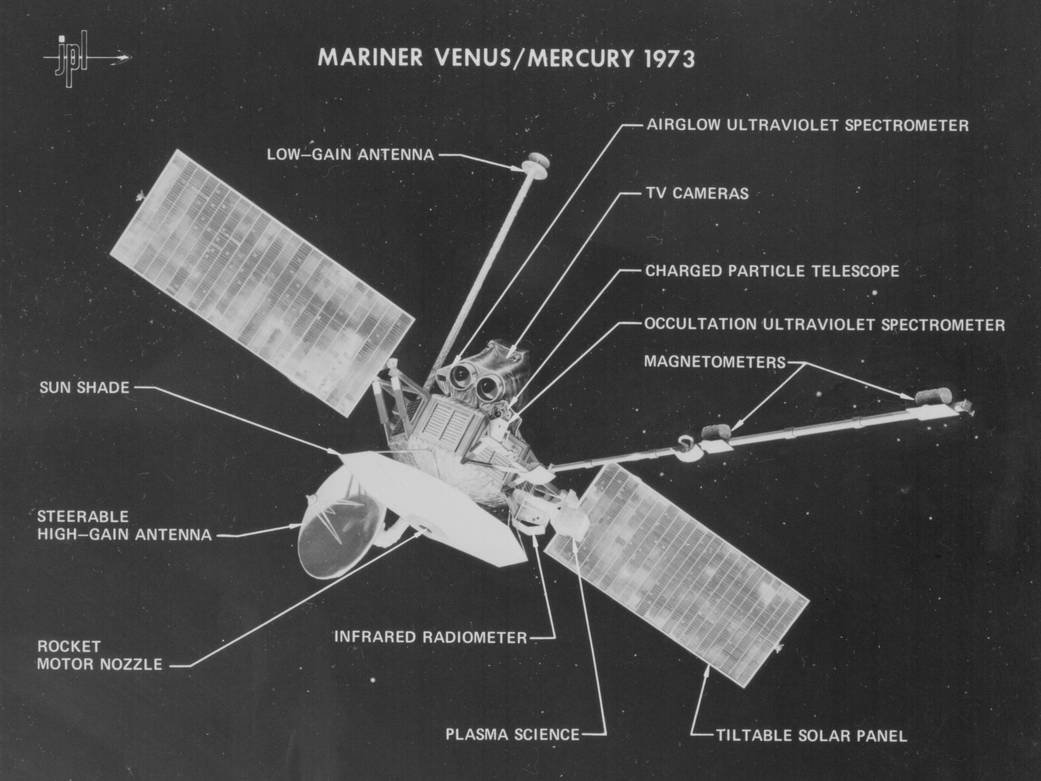
    On November 3, 1973, Mariner 10 launched from Cape Canaveral toward Venus and Mercury. Its route used the gravitational pull of Venus to redirect the spacecraft toward Mercury, saving the mission from needing a larger rocket and more fuel. A connecting flight with unusually good orbital mechanics.

    It became the first spacecraft to use one planet’s gravity to reach another. After its February 1974 Venus encounter, it passed Mercury three times in 1974 and 1975. The destination was new; the spacecraft still came back for another look. Mission history · Smithsonian’s spacecraft record.

    november 3 in history: dorothy moved into the living room

    The Wizard of Oz had its first television broadcast on November 3, 1956. PBS’s American Experience documentary traces how repeated television airings helped make the story a household ritual.

    That is a different anniversary from the film’s theatrical debut. The yellow brick road had acquired a route through the living room, with considerably less travel involved. Seventy years later, the distinction between a movie and the way people first encountered it still matters. American Oz, opening transcript.

    evergreen detour: venus takes its time turning around

    Color-enhanced ultraviolet view of Venus showing sweeping blue-white cloud bands against black space.
    Venus photographed by Mariner 10 on February 5, 1974, with color enhancement of ultraviolet imagery. NASA.

    This has no November 3 anniversary attached. Venus takes about 243 Earth days to rotate once, but roughly 225 Earth days to orbit the Sun. Its spin takes longer than its year.

    The careful wording matters: a full rotation is not the same interval as one sunrise to the next. Venus also spins in the opposite direction to Earth, so the Sun would rise in the west. The calendar committee would like a word. Venus facts and rotation.

    Image credits: Mariner 10 instrument diagram, NASA/JPL; color-enhanced ultraviolet image of Venus from February 5, 1974, NASA. Editorial use under NASA’s media guidelines. No endorsement implied.

    Fediverse Reactions
  • 1
    the space station got roommates and a hot-water dispenser

    the space station got roommates and a hot-water dispenser

    November 2: the space station welcomes its first resident crew, the Morris worm overwhelms early internet computers, and an octopus puts three… Read more

    a few things worth knowing · monday, november 2, 2026

    Two November 2 anniversaries: moving into an orbiting laboratory, and discovering that a network can have a very bad evening. Then an octopus contributes some unusually thorough plumbing.

    today in history: the space station got roommates

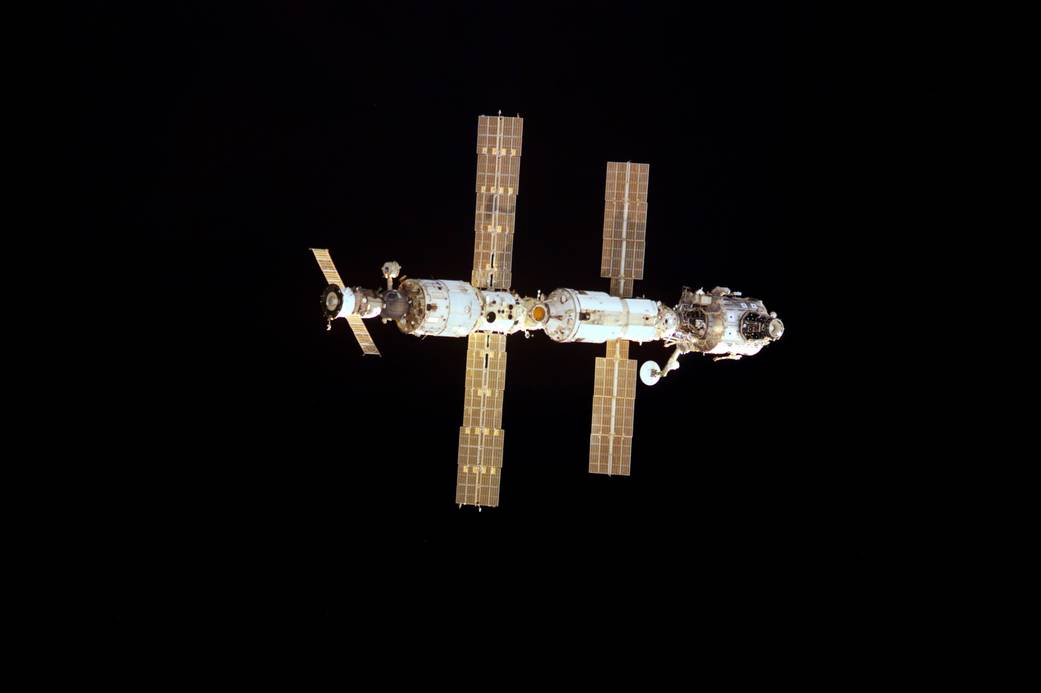
    On November 2, 2000, NASA astronaut Bill Shepherd and Russian cosmonauts Yuri Gidzenko and Sergei Krikalev arrived at the International Space Station as its first resident crew. Twenty-six years ago today, Expedition 1 began turning a construction project in orbit into a working home.

    The early to-do list included activating the hot-water dispenser and the toilet. Oxygen generation and carbon-dioxide removal followed over the next few days. Even a historic arrival needs someone to sort out the utilities. NASA’s account of the crew’s arrival.

    The featured photograph shows the station on December 2, 2000, a month into that first expedition. It was taken from shuttle Endeavour during its approach, before the station grew into the sprawling structure familiar from later photographs. NASA’s image record.

    today in history: the network had a very bad evening

    On November 2, 1988, the program now known as the Morris worm began spreading from a computer at MIT. It overwhelmed vulnerable computers on the early internet. The FBI estimates that about 6,000 of the roughly 60,000 connected machines were affected within 24 hours.

    The worm did not need to destroy files to cause trouble. Systems slowed, mail was delayed, and some institutions disconnected from the network. All of this happened before the World Wide Web. The internet had already developed a troubleshooting backlog. The FBI’s history of the Morris worm.

    one evergreen detour: the octopus has assigned each heart a job

    Close view of a pale purple octopus on the seafloor near Shallop Canyon, with curled arms and rows of suckers visible.

    This one has no November 2 anniversary attached. An octopus has three hearts: two push blood through the gills, while the third circulates oxygenated blood around the body.

    Its oxygen-carrying protein, hemocyanin, contains copper rather than the iron in our hemoglobin, giving the blood its blue color. Three hearts and eight arms is quite a lot of equipment for an animal that can still look mildly inconvenienced by a camera. Smithsonian Ocean’s explanation of cephalopod circulation.

    Image credits: International Space Station, photographed December 2, 2000, NASA; used editorially under NASA’s media guidelines. Octopus near Shallop Canyon, NOAA, via U.S. Fish & Wildlife Service, public domain. Images shown at reduced display size without creative alteration. No claim to original U.S. Government works.

    Fediverse Reactions