Kendra Wells sends a pampered prince on a missing-persons quest. The party needs a fighter; human resources needs a word. Read more
Affiliate note: As an Amazon Associate I earn from qualifying purchases.
The party needs a fighter. Unfortunately, the applicant is a prince. Apparently even fantasy adventuring has a nepotism problem.
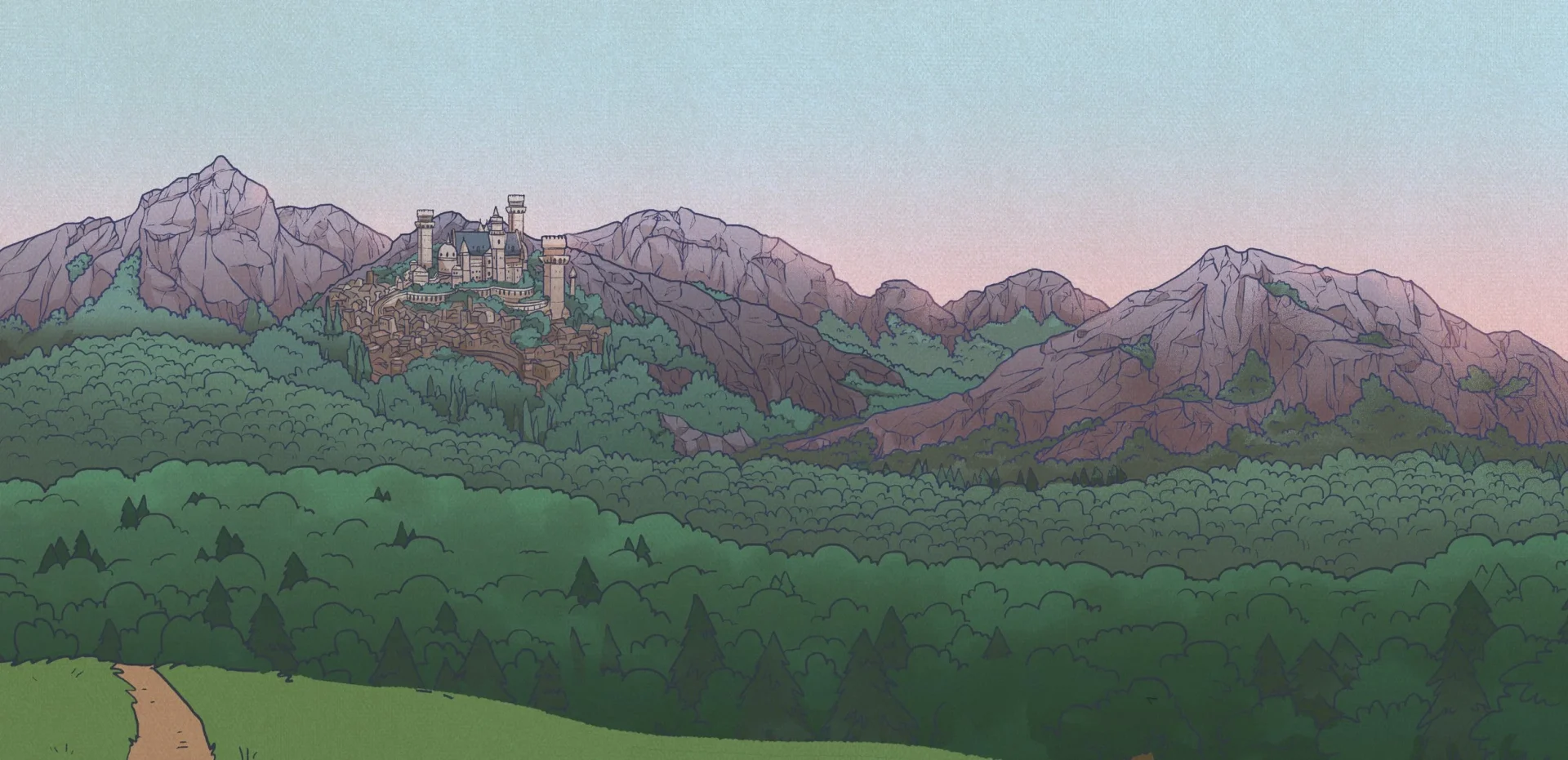
Kendra Wells’s Real Hero Shit puts Michel, Ani and Hocus on a missing-persons job in a mountain town, then adds Prince Eugene: purple, pampered, and not exactly built for a discreet investigation. The local guards are being obstructed. Eugene would mostly like something interesting to do. These are not equivalent stakes.
That mismatch is the useful hook here. This is queer fantasy comedy with an actual problem underneath the party friction: a prince discovering that the world’s protective padding was installed specifically for him. There are swords and flirting, but the royal field trip also comes with a question about who gets protected when people disappear.
This is Book 1, a 120-page graphic novel from Iron Circus, not a giant lore assignment. A manageable place to start if your preferred adventuring party is less solemn fellowship, more personnel issue.
Real Hero Shit, Book 1
Kendra Wells · Iron Circus Comics · 120-page softcover · ISBN 9781945820830.
A compact first adventure for readers who prefer their party with a personnel problem.
Three complete graphic novels for readers who would like an ending rather than another universe to manage. Read more
As an Amazon Associate I earn from qualifying purchases. The Amazon links below are affiliate links.
Sometimes the most attractive thing a comic can offer is a last page. An actual last page, after which nobody needs to explain that the good part continues in three different books called volume one.
These three graphic novels give you a complete story in one paperback. That gets them through the door. The drawings are the reason to stay: a life assembled from memories, a city rendered in impossible colors, and a spacecraft that looks like it might need feeding.
daytripper: a whole life in the margins
Fábio Moon and Gabriel Bá’s Daytripper follows Brás de Oliva Domingos, an aspiring novelist who writes obituaries. Each chapter visits a different moment in his life, finding an ending and then asking you to reconsider the life around it. Work, family, love and disappointment give that structure its weight.
Look at the cover’s scale. Brás and a dog sit beneath an enormous profile filled with a typewriter, buildings and objects. The individual is small; the accumulated stuff of a life fills the page. Its shift from dark brown through pink into blue gives those memories a physical shape, rather than leaving the premise to a blurb.
That is a more useful invitation than simply calling it a comic about death. The 256-page collected paperback makes room for the ordinary things that an obituary compresses. This is the pick for human-scale drama, with grief and mortality built into the structure. DC’s edition listing has the collection details.
Daytripper
Fábio Moon & Gabriel Bá · Collected paperback · 256 pages
the many deaths of laila starr: death has been made redundant
Humanity is approaching immortality, which creates a staffing problem. In Ram V and Filipe Andrade’s The Many Deaths of Laila Starr, Death is sent to Mumbai to live as a mortal woman. She knows where the person who will make her obsolete is about to be born.
Andrade’s opening city page makes the setting an immediate attraction. Coral and lavender towers rise over a dense blue foreground; a curving elevated road pulls the eye across the lower half. The buildings are carefully drawn, but their colors refuse to behave like an architectural photograph. Before the divine office politics get going, Mumbai already has its own visual presence.
The cover pushes that palette harder, setting a turquoise figure against a hot orange city. If the premise sounds abstract, these pages supply texture and a place to get lost. The 128-page paperback collects all five issues, making this the shortest of the three. BOOM!’s first-look announcement introduces the book and its creators.
The Many Deaths of Laila Starr
Ram V & Filipe Andrade · Paperback collection of #1–5 · 128 pages
Tillie Walden’s On a Sunbeam moves between a crew restoring ruined structures in space and two girls falling in love at boarding school. The two timelines lead into a search for a lost love. It is the young-adult selection here, with queer romance and found family at its center.
The opening page gives the journey a wonderfully unhurried shape. Broad panels leave room for black space and scattered stars. A face in a cockpit window gives way to a fish-shaped craft beside a tall, floating building. Lavender, black and white do most of the work; the intricately drawn architecture makes this universe feel handmade rather than clinically futuristic.
Nerdist follows VisionQuest’s Butcherbird story into the comics. Marvel’s robot family tree could use a second whiteboard. Spoilers through episode 4 at… Read more
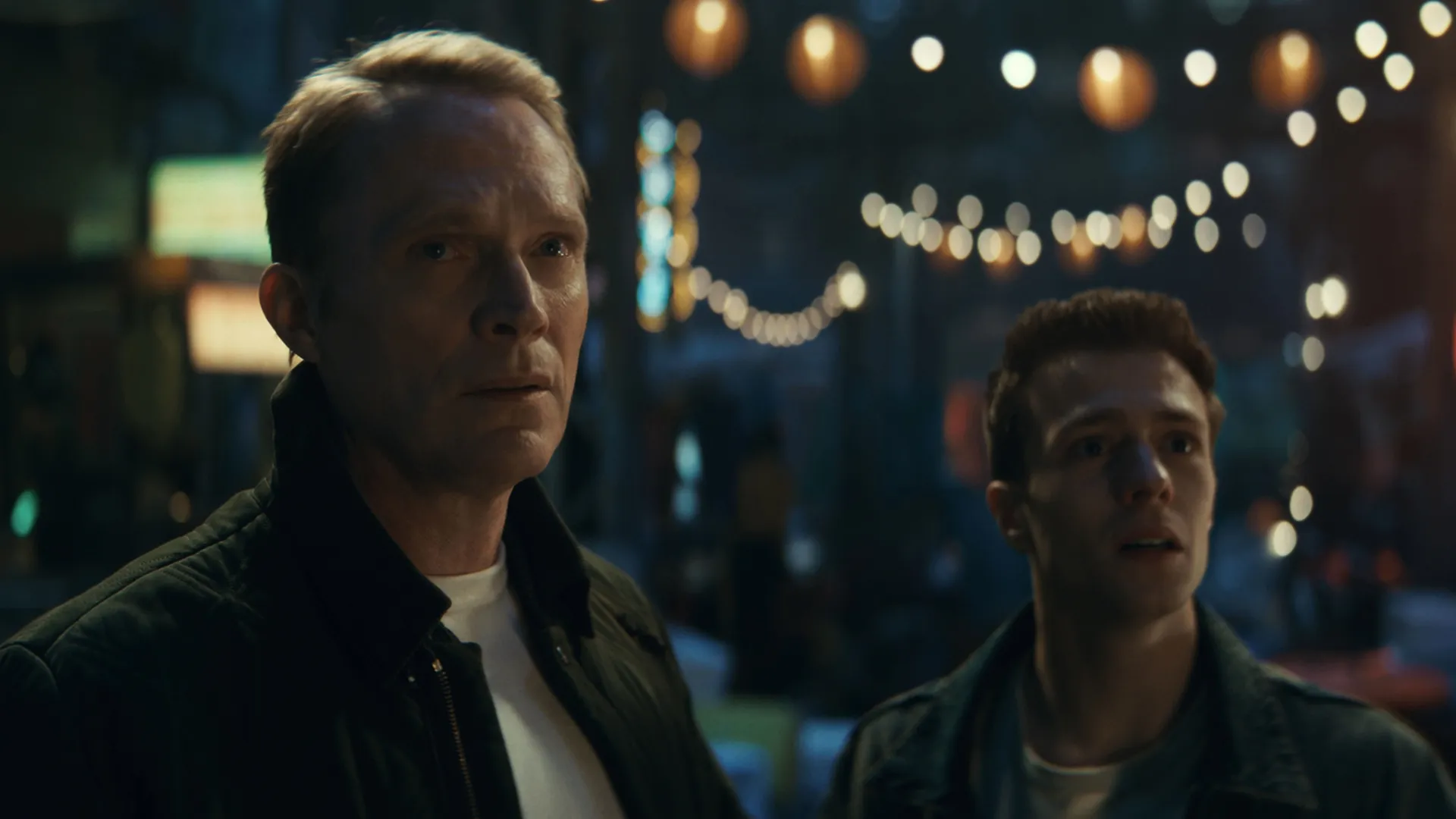
VisionQuest has reached the part of the family history that requires arrows. Eric Diaz’s Nerdist explainer traces the Butcherbird story back through Marvel’s comics, where creating a robot rarely produces a manageable relationship.
the trees are having a terrible run of publicity on this shelf. children disappear into them. ancient things wait inside them. the local wildlife has features it should really have disclosed earlier. even leaving town won’t solve everything, because elsewhere the dead are walking and the gods have become pop stars. plenty to work with.
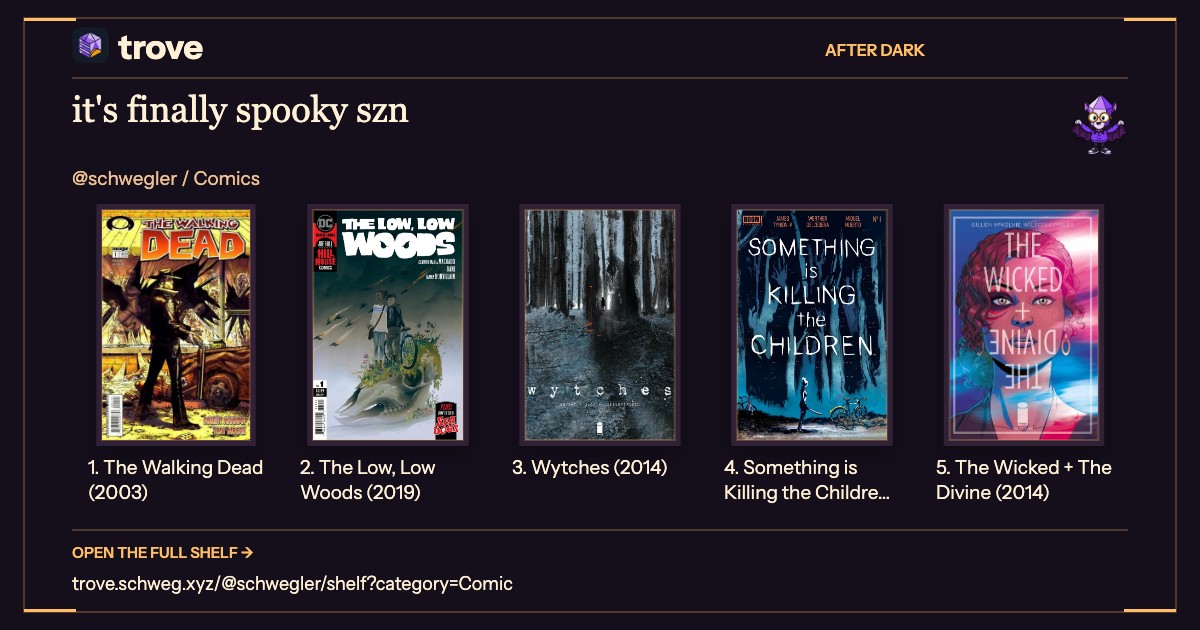
these are the five comics on trove’s halloween shelf: a zombie epic, two deeply unwelcoming forests, a monster hunter, and some divine celebrity trouble. they offer different kinds of darkness, so here’s where to start depending on whether you want survival, a mystery, a short plunge into the woods, or mortality with stage lighting.
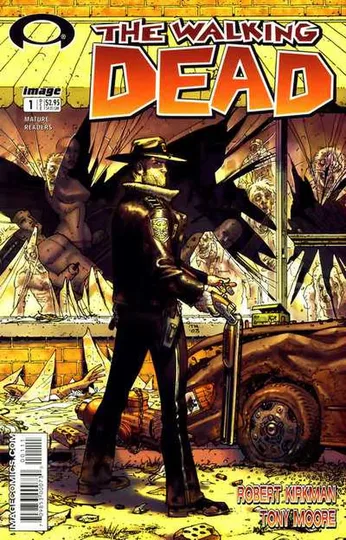
robert kirkman’s series starts with rick grimes trying to find his wife and son after the dead have overrun the world. image’s series page makes the scale clear: the ordinary systems people depend on have collapsed along with everything else.
it’s the survival choice, where getting through today leaves the fairly substantial problem of tomorrow. the familiar zombie premise provides a way into questions about family, safety, and living alongside other frightened people. start at the first issue and give the comic room to establish its own world. recognizing the title from television doesn’t mean you need to treat the page as homework.
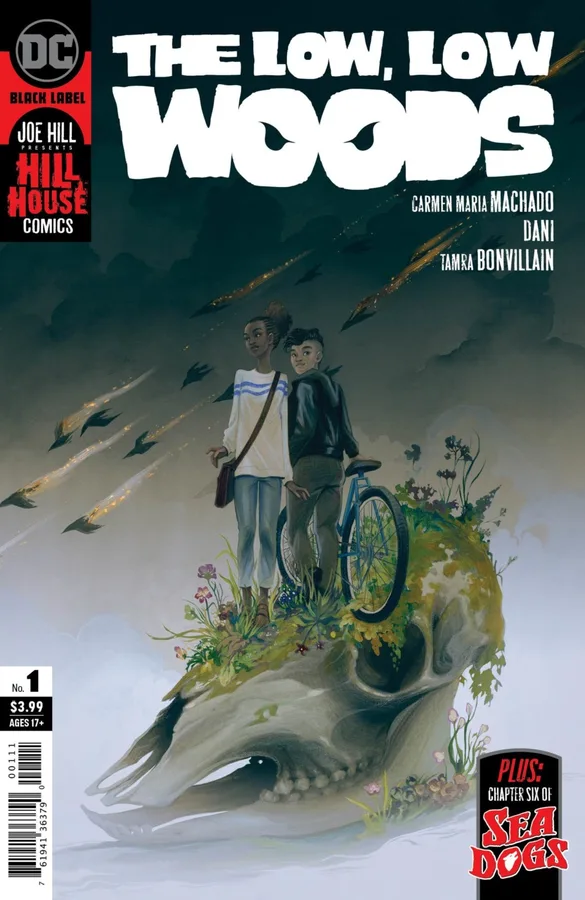
the low, low woods
for missing memories and a town with terrible secrets
carmen maria machado and dani send el and octavia into the mysteries of shudder-to-think, pennsylvania, after the two wake in a movie theater with hours missing. the surrounding woods contain rabbits with human eyes and other deeply unreasonable sights, while abandoned coal mines burn beneath the town. dc’s collected edition gathers all six issues.
choose this for body horror, uneasy friendship, and the fear of discovering what happened when your memory went blank. the setting alone makes a convincing case for moving, although packing boxes is probably insufficient preparation for a place called shudder-to-think.
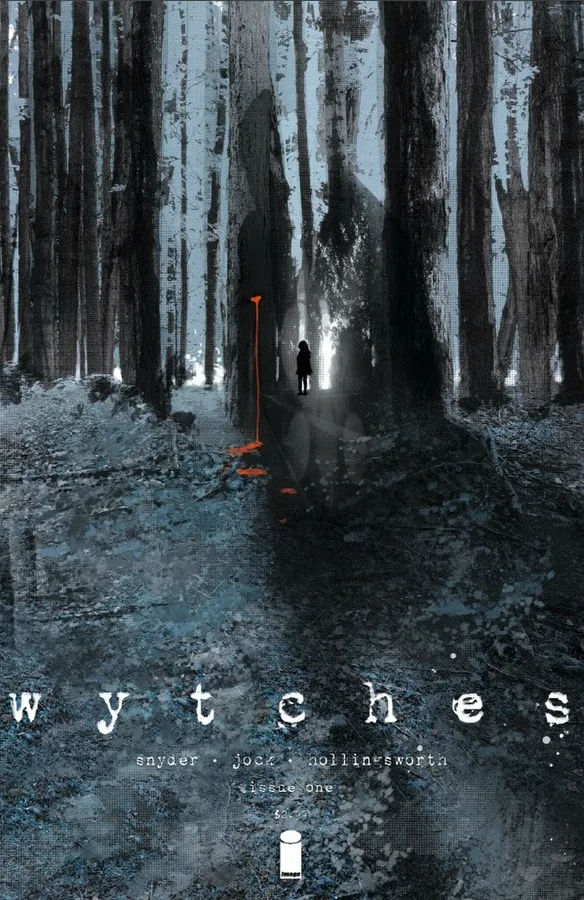
wytches
for the family fresh start that immediately needs reconsidering
scott snyder and jock bring the rooks family to litchfield, new hampshire, hoping to get away from a traumatic past. something ancient and hungry is waiting in the nearby forest. that is the invitation in image’s first collection, which contains issues one through six.
this is a direct route to creature horror with family fear underneath it. the promise of a fresh start gives the danger something specific to threaten: people trying to feel safe again. pick it when you’d like a contained six-issue entry point and a reminder to ask considerably more questions about a property’s woodland views.
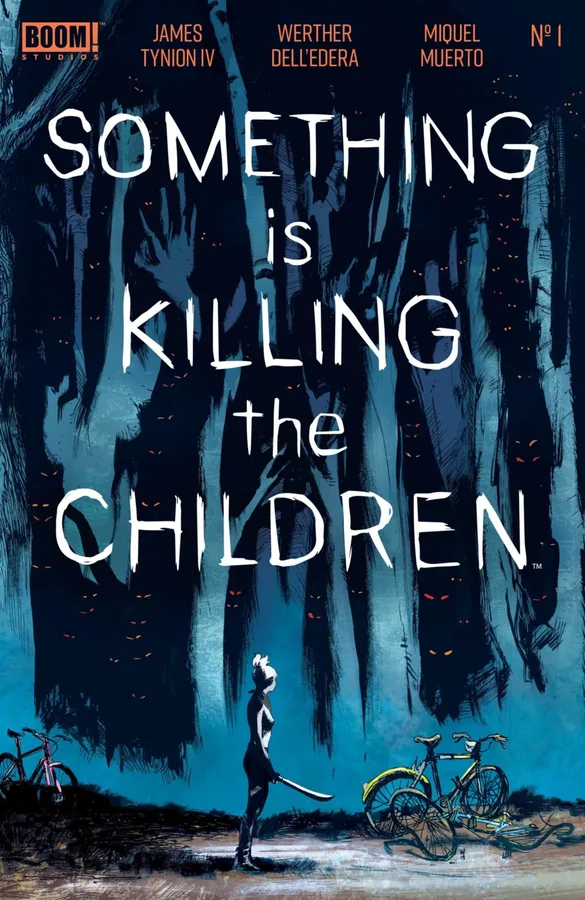
james tynion iv and werther dell’edera introduce erica slaughter to a community shattered by killings. children describe monsters in the woods; the adults aren’t sure what to believe, including whether this stranger can help. the publisher’s introduction to issue one is a useful spoiler-light starting point.
go here for an investigation with a dangerous outsider at its center and a threat the town can’t comfortably explain away. the title is being very direct about the stakes, so violence involving children is part of the decision. erica’s arrival offers a possible answer, which is more than the local reassurance department has managed.
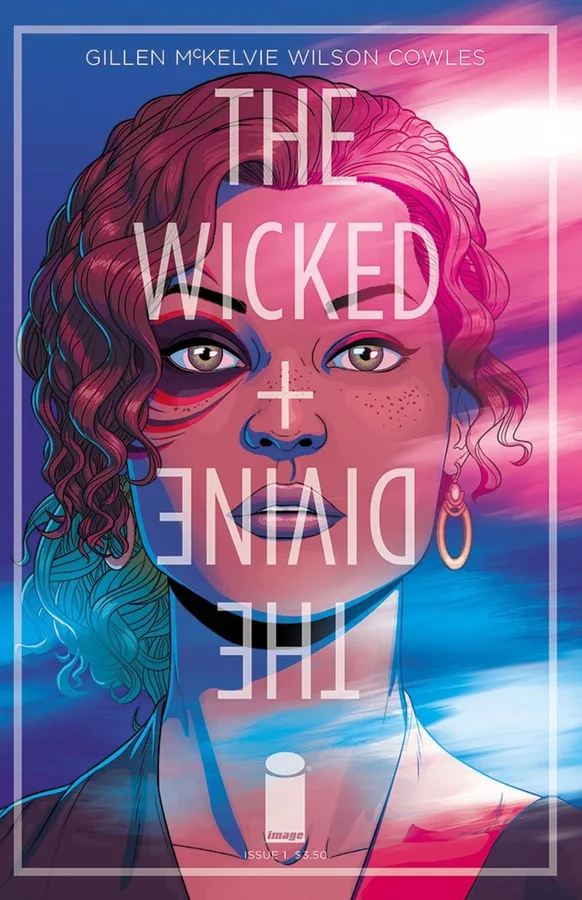
every ninety years, twelve gods return in human form. two years later, they’re dead. kieron gillen and jamie mckelvie turn that premise into a world where divinity and pop stardom occupy the same space, as image’s series overview explains.
this is the shelf’s supernatural pop-fantasy option, for when you’re drawn to worship, fame, and the prospect of having everything briefly. the countdown gives the glamour a dark underside without requiring another trip into the trees. an excellent change of scenery. the mortality situation remains poor, but at least somebody has considered the outfit.
part 3 of the halloween shelf: six category roundups from my public Trove picks, checked october 18, 2026. browse the complete shelf. featured image: Halloween Comics shelf card combining the five comic covers in this article from my Trove shelf. original cover artwork: Image Comics, DC Comics and BOOM! Studios, via Trove; used for commentary. Facet illustrations are site mascots.
queer horror, a disputed ending, mutual aid, a handsome fish situation, and a few notes from my own shelf. Read more
the nice thing about a small media-tracking site is that you can actually read what people wrote. the less convenient thing is that reading what people wrote immediately produces more things to read.
so, a look around Trove: queer horror, a disputed ending, mutual aid, and a very handsome fish situation. the opinions below belong to the people credited. the expanding backlog belongs to all of us.
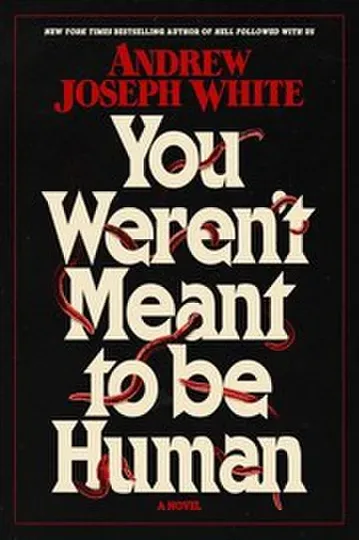
Melinoë Agnès (@thrstyanrchst): 4/5. the ending caught them off guard, and their review is an enthusiastic recommendation for its queer horror. keeping the actual surprise out of this roundup seems like basic neighborly conduct.
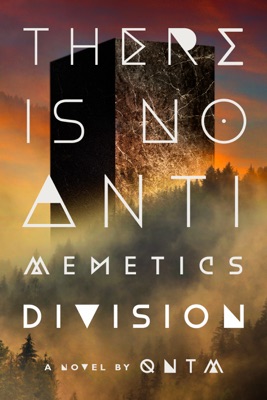
Melinoë Agnès (@thrstyanrchst): 3/5. they liked the book, but the ending didn’t land for them. a useful distinction when a star rating by itself would make you do the detective work.
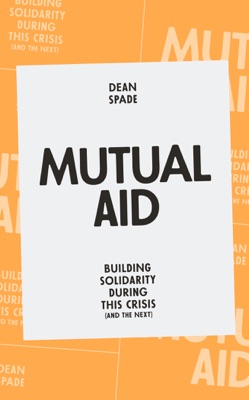
Melinoë Agnès (@thrstyanrchst): 4/5. a quick, accessible read that earned plenty of annotations, with a recommendation for anyone looking to make a difference. sometimes the useful reading list is the one that sends you back into the world with something to do.
jacob (@bartsdoodle): 5/5. the beauty of the film and its soundtrack are the big takeaways here. concise, enthusiastic, and considerably easier to fit into an evening than the three books i just added to your problems.
my rating: 3.5/5. my review was pretty practical: it got me hooked enough to buy book two. i mixed listening and reading on this one. not every recommendation requires a manifesto; sometimes the evidence is the next purchase.
my rating: 4/5. Graymatter Lane and an Emma-focused story. that was the pitch, and my review was essentially an immediate yes. some interests have a very efficient approval process.
my rating: 4/5. i called it the best competition reality show, with most of the credit going to the live feeds and the online community around them. which probably explains the amount of this blog devoted to people having preventable conversations in a house.
there we go: seven takes, several different kinds of media, and nobody had to build a personal brand around having finished a book. the shelves are open.
some fandoms are things you enjoy. others quietly become part of the structure holding every version of you together. Read more
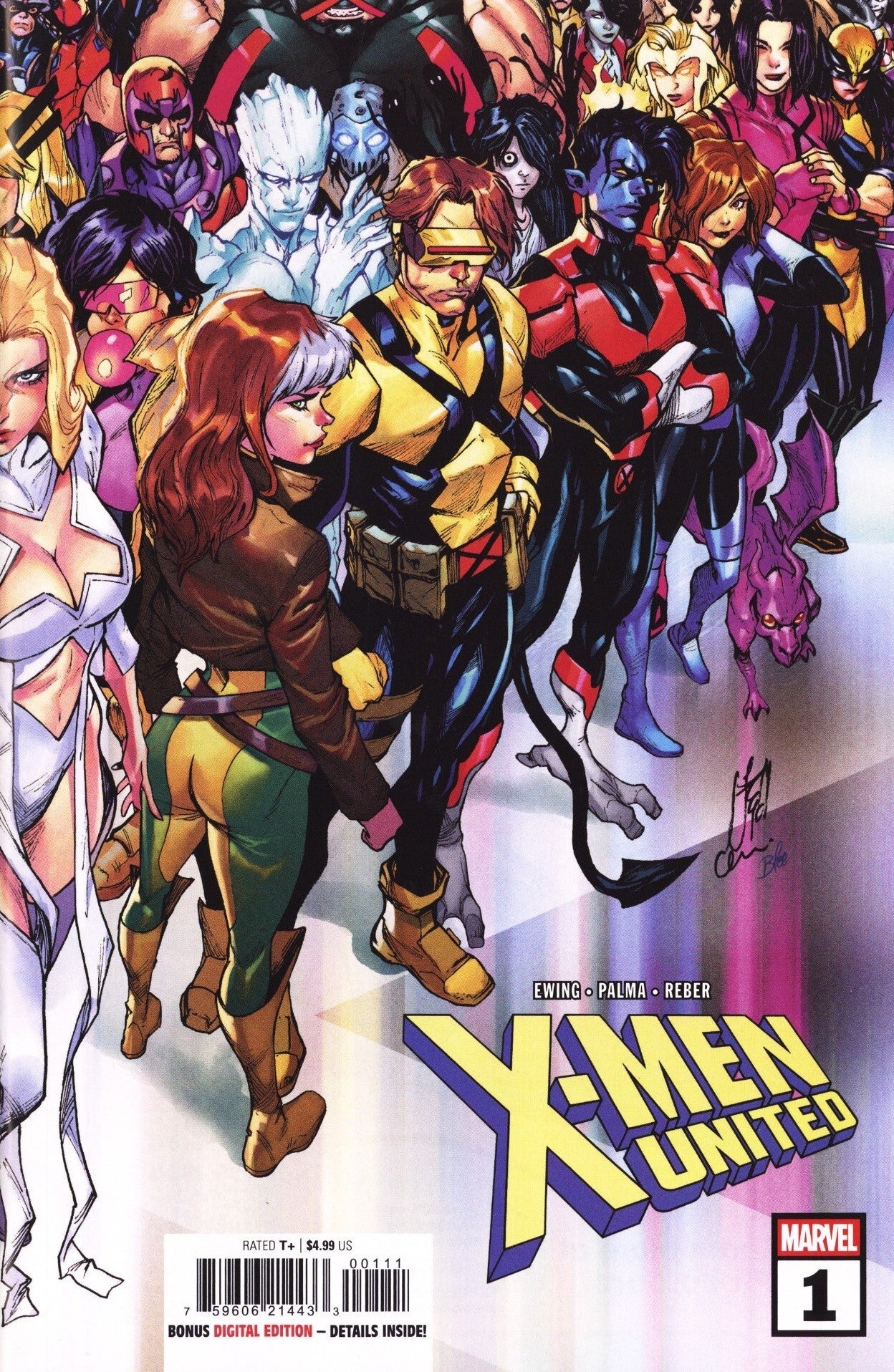
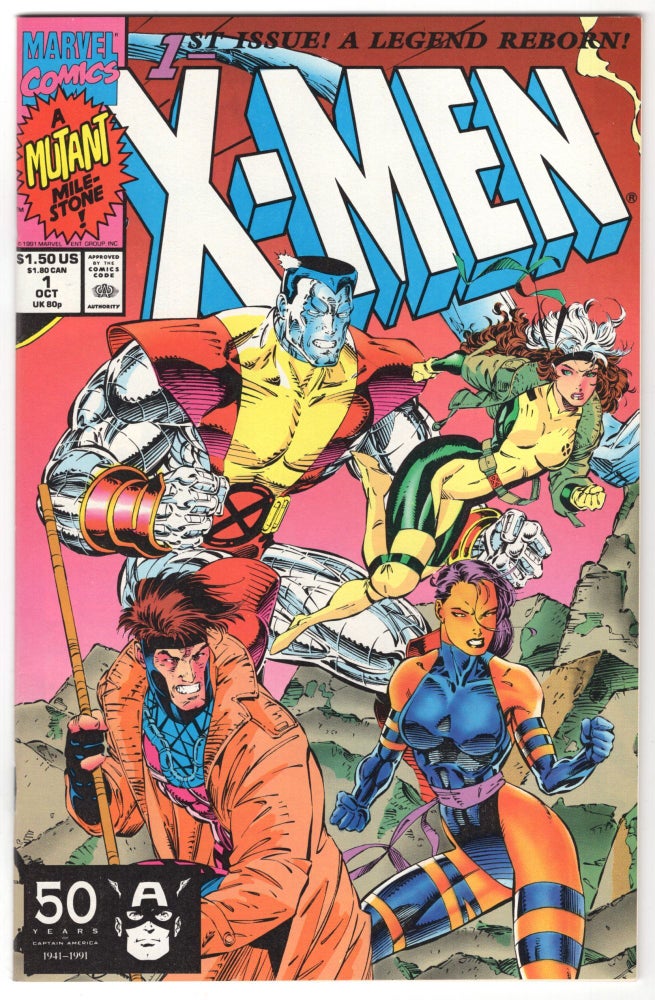
I reposted a Bluesky post tonight that said, “X-Men has been the most consistent interest in my life.” It is a very efficient sentence. Nine words, and suddenly I am thinking about the strange little handful of interests that stop being things you like and become part of the load-bearing structure of your personality.
X-Men has been the most consistent interest in my life.
The X-Men are unusually good at becoming that kind of interest. They are less a single story than a municipal transit system: enormous, occasionally unreliable, redesigned every few years, and somehow still able to take you back to the same place.
continuity is not the point
Trying to explain X-Men continuity is how normal conversations become hostage situations. There are alternate timelines, cloned people, cloned people who did not initially know they were clones, children who are older than their parents, deaths that function more like extended vacations, and at least one island that is also a person. The official history is technically knowable, in the same sense that the tax code is technically knowable.
But continuity is not really what keeps people around. The return is. You can disappear for five years, come back through a cartoon, a movie, a comic run, or one extremely specific Tumblr gifset, and the essential machinery is still there. A group of people has been told that something fundamental about them makes them dangerous. They respond by building a home together, putting on coordinated outfits, and developing interpersonal problems of almost military complexity.
That premise travels. It can be a civil-rights allegory, a queer text, a family drama, a workplace comedy in which the workplace keeps exploding, or an excuse for Wolverine to stand in a forest looking like someone has interrupted the worst cigarette break of his life. Sometimes it is all five before lunch.
the story changes when you do
The durable childhood interests are rarely the ones that remain frozen. Usually, they survive because you keep discovering a different entrance.
When you are young, the X-Men can be about powers, costumes, giant robots, and the objectively correct belief that Storm is the coolest person in any room. Later, the same stories start looking like arguments about respectability, chosen family, assimilation, political exhaustion, and what people owe a society that keeps announcing its intention to destroy them.
As a gay person, none of that requires particularly strenuous decoding. The franchise has never mapped neatly onto one real minority experience, and it gets clumsy whenever it tries to behave as though it does. Still, the emotional grammar is familiar: disclosure as risk, family as something you may have to assemble yourself, public acceptance that vanishes the second people become frightened, and the endless demand that the marginalized person remain calm enough to deserve survival.
You can meet that story before you have language for yourself, then return after you do. The characters have not necessarily become more sophisticated. You have. They were simply patient enough to wait.
Long-running fiction accumulates versions of its audience along with versions of its characters. A particular theme song stores the room where you first heard it. A costume design stores the age when you decided someone looked impossibly cool. A revival stores the slightly unsettling discovery that your childhood is now an intellectual property strategy.
X-Men ’97 understood this better than most nostalgia projects. It did not merely put the old action figures back on the shelf and wait for applause. It returned to the visual and emotional vocabulary people remembered, then allowed time to have happened. The result felt familiar without pretending familiarity was sufficient. This is apparently a radical concept in franchise management.
Marvel Animation’s official X-Men ’97 trailer.
That matters because consistency does not mean consuming every issue, seeing every movie opening weekend, or maintaining a working knowledge of which body Professor Xavier currently occupies. There are years when an interest is central, and years when it sits quietly in the background. It still becomes a way of keeping track of yourself.
I think that is what made the skeet land. “Most consistent” does not mean unchanged. It means the thing kept finding a version of you who could use it.
the things that stay are allowed to be messy
A lifelong fandom is not an endorsement of every choice made under its logo. God knows the X-Men have supplied enough bad movies, baffling retcons, aborted metaphors, and stories where nobody appears to have asked whether women should be allowed one uninterrupted afternoon.
The affection survives because it is bigger than approval. You can love the basic proposition, argue with its execution, ignore an era entirely, and come back when somebody remembers why the whole thing worked. That is a healthier relationship to culture than the modern demand that everything you enjoy also function as a flawless public statement about your moral character.
Some interests are favorites. Some are phases. A few become personal infrastructure: not always visible, not always fashionable, but still quietly holding up part of the building.
The X-Men are especially suited to that job. Reinvention is already built into the premise. The roster changes, the school relocates, the dead return, the future becomes terrible in a slightly different way, and everyone tries again.
Honestly, there are worse things to carry forward.