Kendra Wells sends a pampered prince on a missing-persons quest. The party needs a fighter; human resources needs a word. Read more
Affiliate note: As an Amazon Associate I earn from qualifying purchases.
The party needs a fighter. Unfortunately, the applicant is a prince. Apparently even fantasy adventuring has a nepotism problem.
Kendra Wells’s Real Hero Shit puts Michel, Ani and Hocus on a missing-persons job in a mountain town, then adds Prince Eugene: purple, pampered, and not exactly built for a discreet investigation. The local guards are being obstructed. Eugene would mostly like something interesting to do. These are not equivalent stakes.
That mismatch is the useful hook here. This is queer fantasy comedy with an actual problem underneath the party friction: a prince discovering that the world’s protective padding was installed specifically for him. There are swords and flirting, but the royal field trip also comes with a question about who gets protected when people disappear.
This is Book 1, a 120-page graphic novel from Iron Circus, not a giant lore assignment. A manageable place to start if your preferred adventuring party is less solemn fellowship, more personnel issue.
Real Hero Shit, Book 1
Kendra Wells · Iron Circus Comics · 120-page softcover · ISBN 9781945820830.
A compact first adventure for readers who prefer their party with a personnel problem.
The Art of Spirited Away offers production drawings, designs, and a different question: how did anyone decide this should look like that? Read more
As an Amazon Associate I earn from qualifying purchases.
An art book is a useful way to spend more time with a movie without asking it to become a franchise. No sequel announcement required. Just let somebody explain how the rooms got there.
The Art of Spirited Away is the production-art option: VIZ’s 240-page hardcover gathers paintings, designs, sketches, storyboards, commentary and a complete English-language script. It is a book about the film’s visual construction, rather than another adaptation to follow through the same plot.
That distinction is the reason to consider it. A finished animated scene makes hundreds of design decisions look inevitable. A room has a particular shape, a character occupies it a particular way, and somehow the whole thing feels like a place that existed before the camera arrived. Looking at the preparatory work changes the question from “what happens next?” to “how did anyone decide this should look like that?”
The finished film gives those rooms and streets a life of their own. The book goes back to the drawings that built them.
VIZ has a preview and edition details. Try that first. Choose this for an interest in drawing, environments or filmmaking; skip it if what you want is a new story. The book includes the script, so it is better saved until after the film if you want to avoid plot details.
The linked edition is the English-language Studio Ghibli Library hardcover, ISBN 9781569317778. Check that number rather than treating every cover with Chihiro on it as the same book. Apparently even a trip to a spirit bathhouse benefits from checking the paperwork.
The Art of Spirited Away
English-language Studio Ghibli Library hardcover · VIZ · 240 pages · ISBN 9781569317778.
For the drawings, environments and decisions behind the finished film.
Two queer science-fiction paperbacks, two different evenings: enemy agents exchanging letters, or a spaceship crew learning to live together. Read more
As an Amazon Associate I earn from qualifying purchases. The Amazon links below are affiliate links.
“Queer science fiction” is a useful shelf label and a fairly unhelpful description of the evening you are about to have. Do you want two enemy agents flirting through a war across time, or a spaceship full of people trying to live together without becoming everybody else’s problem?
Both are available. They are not interchangeable moods.
These two paperbacks make good entry points because each has a clear human reason to keep turning pages. You can follow a relationship before you understand every piece of the machinery. The machinery will survive being second on the agenda.
if you want the correspondence to become a security incident
Amal El-Mohtar and Max Gladstone’s This Is How You Lose the Time War starts with rival agents and a letter. The exchange becomes a romance, which is inconvenient for two people employed by opposing sides in a struggle over history. Their employers would prefer considerably less chemistry.
The attraction here is the form: letters carrying a relationship through a setting that keeps shifting beneath it. Choose this if you like language to be part of the pleasure, rather than a transparent delivery system for the next explosion. The publisher’s excerpt is worth trying before buying; it makes the intensity of the prose clear immediately.
Short does not necessarily mean breezy. This is a concentrated, standalone story, with war and danger around its central romance. It suits the reader who wants to pay attention to the sentence, not just find out which faction has the better equipment.
This Is How You Lose the Time War
Amal El-Mohtar & Max Gladstone · Trade paperback · Standalone
Becky Chambers’s The Long Way to a Small, Angry Planet follows Rosemary Harper onto the Wayfarer, a working spaceship with a mixed-species crew. Their big opportunity is a job building a hyperspace tunnel. The route goes through dangerous territory; the living arrangements remain intimate.
Choose this when the appealing part of a space adventure is finding out who lives on the ship. The publisher’s setup spends time introducing its pilot and engineers for a reason. Personalities, relationships and different ways of being a person are central to the trip. Queer relationships belong in that everyday social world rather than arriving as a separate syllabus.
It is an ensemble space opera, not a romance with everyone else standing politely outside the door. It is also the first Wayfarers novel. Start here if you want the beginning of a larger reading option; choose Time War if the lack of a series commitment is part of the appeal. The Amazon link is to the US Harper Voyager paperback, ISBN 9780062444134, rather than the UK edition on the synopsis page.
The Long Way to a Small, Angry Planet
Becky Chambers · US Harper Voyager paperback · ISBN 9780062444134 · First Wayfarers novel
One offers the intimacy of a letter addressed to exactly the wrong person. The other offers the intimacy of sharing a ship with people who cannot all have the same idea of normal. That is a more useful buying decision than trying to find the single correct gateway into an entire genre.
Pick the relationship you want to spend time with. Space is already doing quite enough expanding.
Image credits: Andromeda composite: NASA/JPL-Caltech/K. Gordon (Univ. Of Arizona) & GALEX Science Team, public domain; Amal El-Mohtar: SouthernNights, CC BY-SA 4.0; Becky Chambers: Colibrette44, CC BY-SA 4.0. Images resized; portrait orientation corrected where needed. The galaxy image is illustrative, not artwork from either book. CC BY-SA portraits remain under that license.
the 1910 monster has a very different silhouette. the library of congress kept him around. Read more
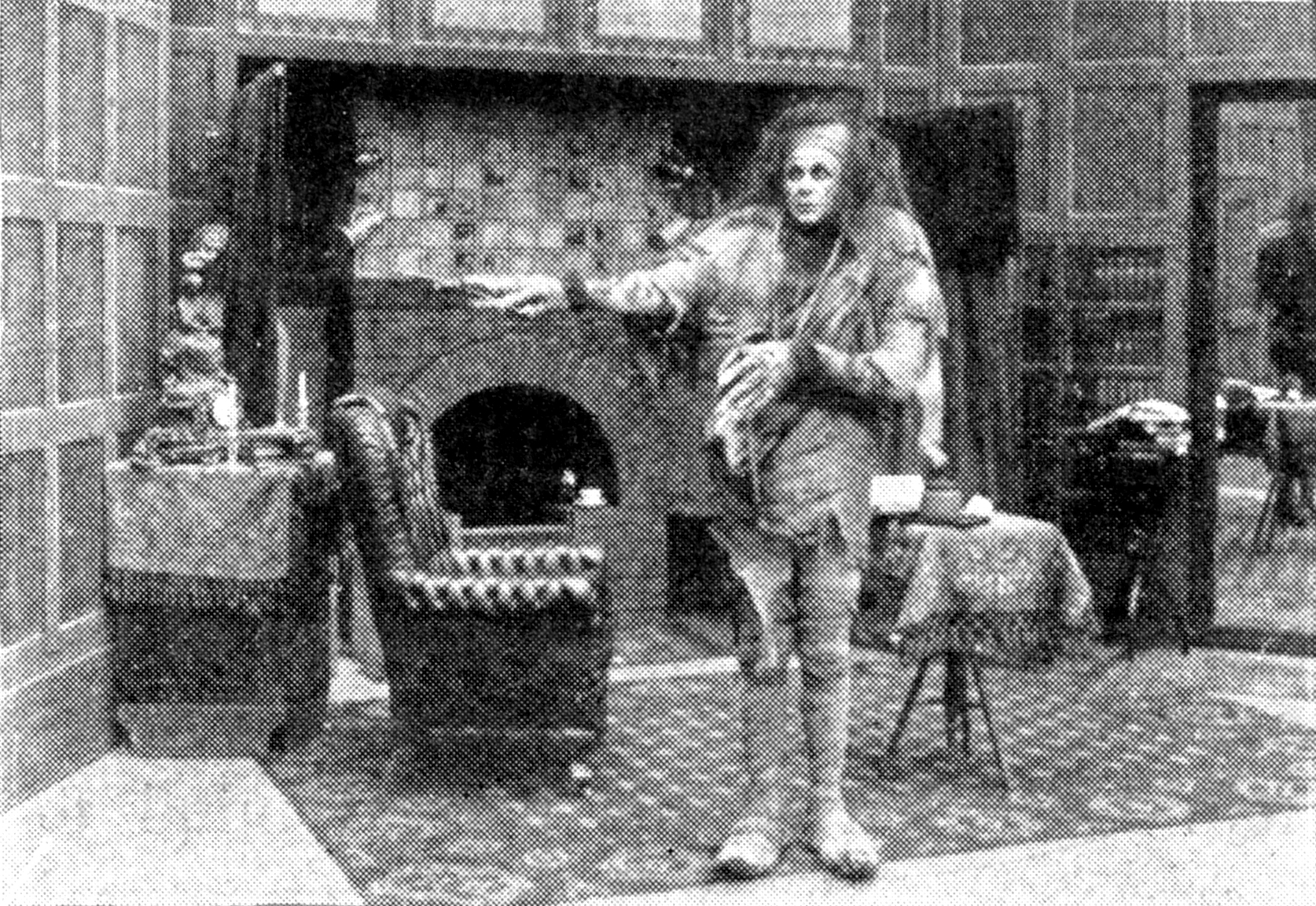
the monster on this 1910 edison kinetogram cover looks like he has been living inside a chimney. wild hair, long fingers, absolutely no interest in the tidy silhouette that would eventually become halloween shorthand.
the library of congress restored edison’s frankenstein, the first film adaptation of the novel, in 2018. its account of the work is worth reading alongside the film: a nitrate print, replacement opening credits from another collection, a recreated intertitle, a new score by donald sosin. a film can survive and still need help becoming watchable.
this is the useful part of going back before an image became definitive. the monster stops being a logo and starts looking like a choice somebody made. another face was possible. another kind of hair was, regrettably, also possible.
the restoration is available through the library’s linked screening room. a small halloween detour, with the repair work left visible in the explanation.
image: edison manufacturing company, edison kinetogram, march 15, 1910, via the library of congress. public domain in the united states.
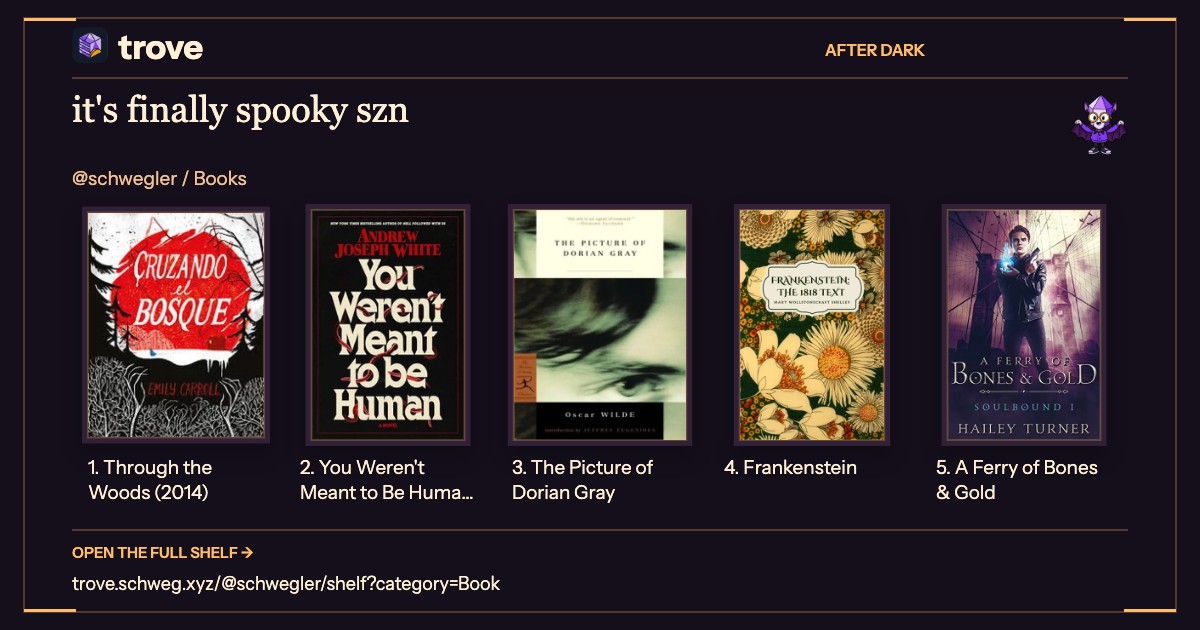
some halloween reading comes with a reassuring amount of distance. old castle. distant village. someone else’s questionable basement. these five books keep finding ways to make the trouble personal: your home, your face, your body, the people who say they’ll take care of you. lovely. very restful.
this is the books corner of the halloween shelf on trove, running from illustrated fairy-tale dread to gothic classics, alien body horror, and a supernatural romance with an alarming workload. pick according to how much unease you’d like to bring to bed. the bedside lamp can only do so much.
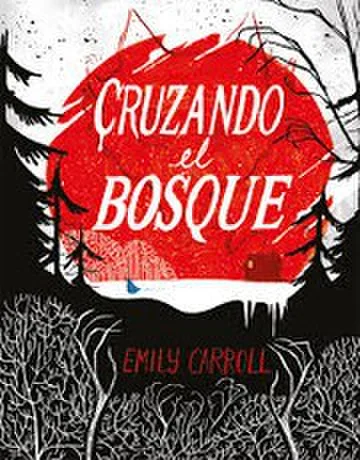
emily carroll’s collection holds five graphic stories, including his face all red. the publisher’s overview offers a useful warning about the territory: mysterious houses, an unsettling marriage, and familiar people who may be something else entirely.
it’s a good doorway into this shelf if you want your horror in separate, illustrated doses. the fairy-tale setup makes the danger feel close to home, with a forest conveniently available whenever somebody needs to make a terrible decision. yes, it’s a comics collection living in the books section here. the woods have bigger administrative problems.
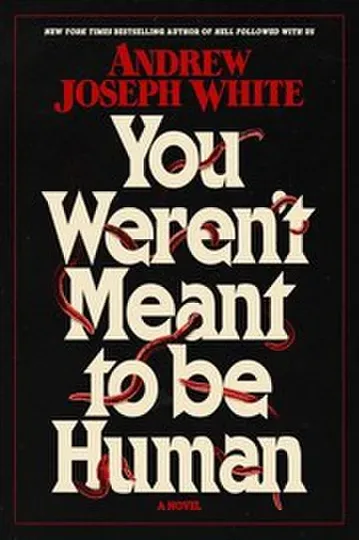
you weren’t meant to be human: belonging comes at a cost
andrew joseph white takes alien invasion into rural west virginia. crane, a trans man, finds refuge among the followers of a hive that trades shelter and possibility for loyalty and bodies. that refuge becomes a threat to his autonomy. the premise puts unwanted pregnancy and reproductive coercion at the center of the horror.
this is the shelf’s heavy-duty body-horror choice, where needing somewhere to belong makes a person vulnerable to exploitation. check the author’s content warnings first. a book can be exactly the right kind of horrible and still require choosing the right evening.
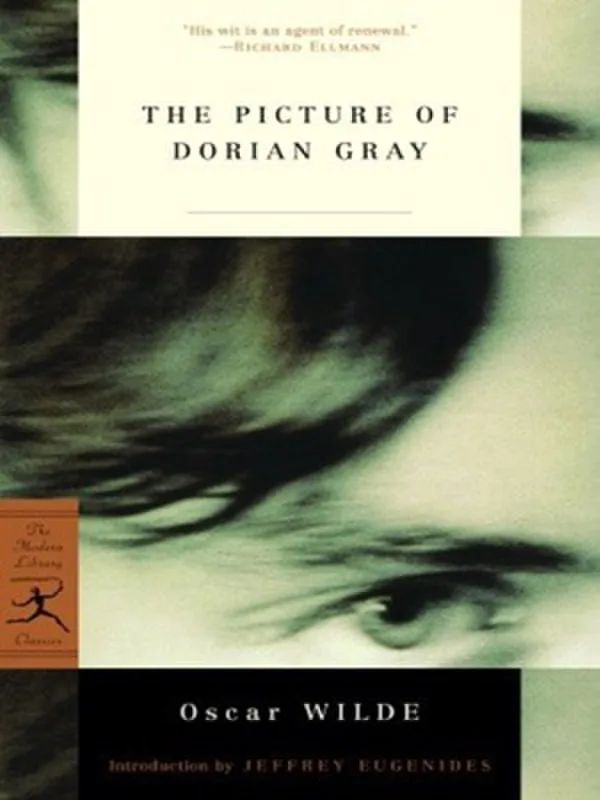
the picture of dorian gray: skincare with consequences
oscar wilde gives a beautiful young man the ability to keep his looks while his portrait records the damage. penguin’s description lays out the bargain: dorian’s public respectability survives while his hidden life grows increasingly corrupt.
choose this for vanity, temptation, and the creeping possibility that appearances are doing an awful lot of unpaid labor. the bodily unease happens at a remove, hanging on a wall, which somehow makes it more intimate. imagine having a permanent record of your worst behavior in the house. then imagine still inviting people over.
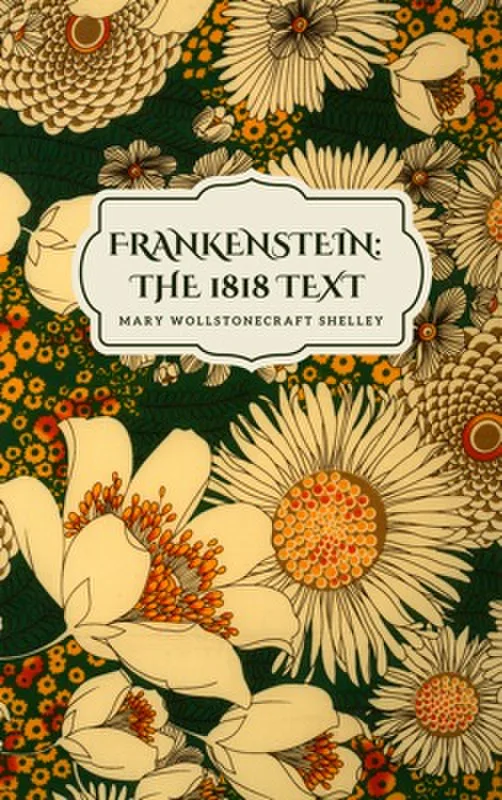
victor frankenstein creates life and recoils from what he’s made. mary shelley’s gothic novel follows the damage of that rejection, with a creature denied companionship and a creator spectacularly unprepared for responsibility.
this is the pick for a sadder, more reflective halloween mood: ambition, loneliness, and the obligations that arrive after doing something irreversible. the creation is only the beginning of the problem. there is a whole person to account for afterward, a detail victor might have put somewhere in the project plan.
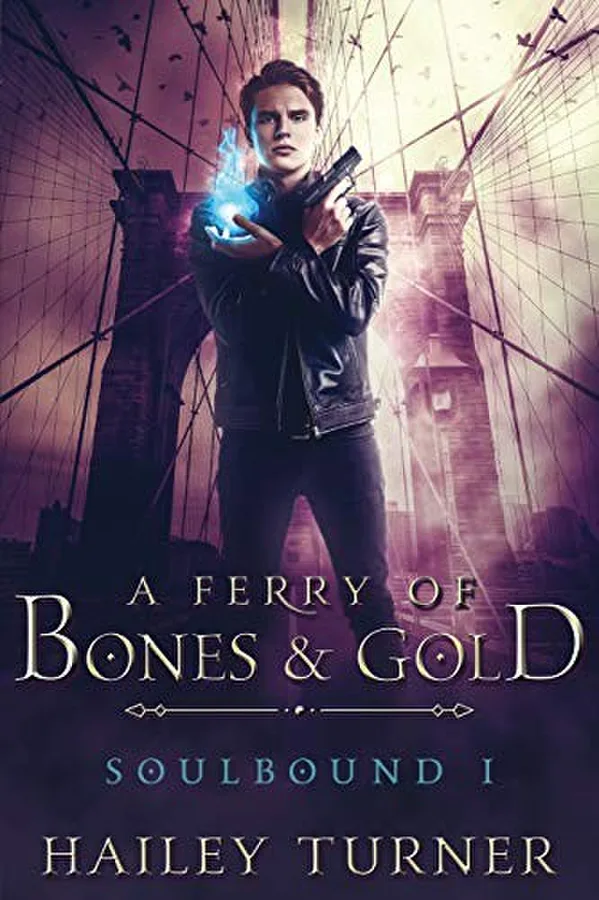
a ferry of bones & gold: a little romance during the supernatural emergency
hailey turner’s soulbound series begins with mage patrick collins and werewolf jonothon de vere. patrick is a supernatural agent dealing with a missing immortal, ritual killings, and gods collecting a debt. turner’s synopsis adds an inconvenient attraction to an already crowded caseload.
reach for this when you’d like the monsters and magic to come with queer romance and an investigation to follow. it’s the shelf’s urban-fantasy turn, with desire giving all that supernatural danger a different pulse. apparently even a looming disaster leaves room for a complicated crush. scheduling remains everyone’s real enemy.
part 1 of the halloween shelf: six category roundups from my public Trove picks, checked october 18, 2026. browse the complete shelf. featured image: Emily Carroll / publisher cover artwork, via Trove; used for commentary. Facet illustrations are site mascots.
queer horror, a disputed ending, mutual aid, a handsome fish situation, and a few notes from my own shelf. Read more
the nice thing about a small media-tracking site is that you can actually read what people wrote. the less convenient thing is that reading what people wrote immediately produces more things to read.
so, a look around Trove: queer horror, a disputed ending, mutual aid, and a very handsome fish situation. the opinions below belong to the people credited. the expanding backlog belongs to all of us.
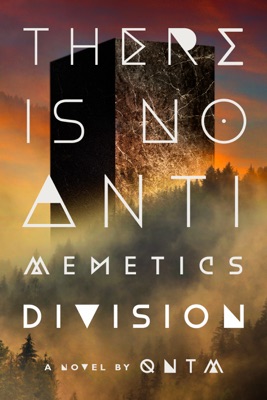
Melinoë Agnès (@thrstyanrchst): 4/5. the ending caught them off guard, and their review is an enthusiastic recommendation for its queer horror. keeping the actual surprise out of this roundup seems like basic neighborly conduct.
Melinoë Agnès (@thrstyanrchst): 3/5. they liked the book, but the ending didn’t land for them. a useful distinction when a star rating by itself would make you do the detective work.
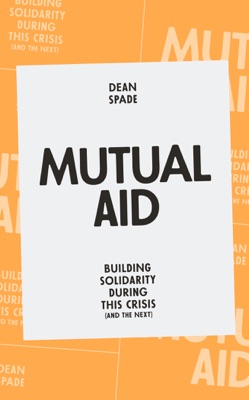
Melinoë Agnès (@thrstyanrchst): 4/5. a quick, accessible read that earned plenty of annotations, with a recommendation for anyone looking to make a difference. sometimes the useful reading list is the one that sends you back into the world with something to do.
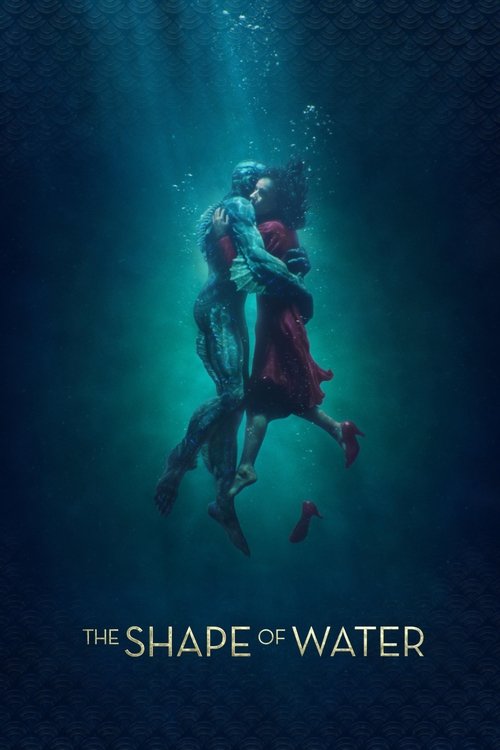
jacob (@bartsdoodle): 5/5. the beauty of the film and its soundtrack are the big takeaways here. concise, enthusiastic, and considerably easier to fit into an evening than the three books i just added to your problems.
my rating: 3.5/5. my review was pretty practical: it got me hooked enough to buy book two. i mixed listening and reading on this one. not every recommendation requires a manifesto; sometimes the evidence is the next purchase.
my rating: 4/5. Graymatter Lane and an Emma-focused story. that was the pitch, and my review was essentially an immediate yes. some interests have a very efficient approval process.
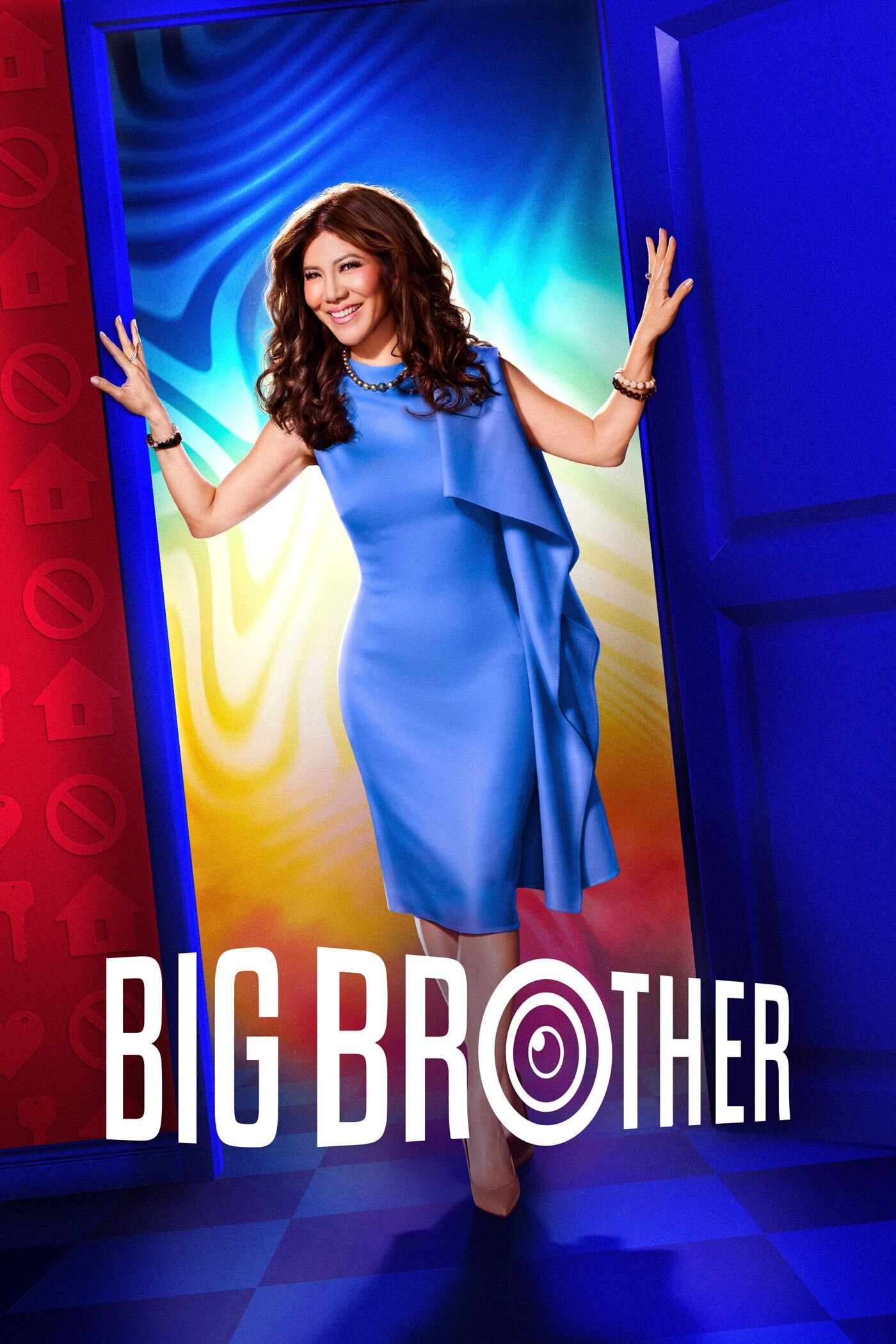
my rating: 4/5. i called it the best competition reality show, with most of the credit going to the live feeds and the online community around them. which probably explains the amount of this blog devoted to people having preventable conversations in a house.
there we go: seven takes, several different kinds of media, and nobody had to build a personal brand around having finished a book. the shelves are open.