a complete record of the human experience, if the human experience had three coffees, a sandwich, and absolutely no room for feedback.
Source: YouTube
a complete record of the human experience, if the human experience had three coffees, a sandwich, and absolutely no room for feedback. Read more →
a complete record of the human experience, if the human experience had three coffees, a sandwich, and absolutely no room for feedback.
Source: YouTube

a joke about yard-work simulators became an unfortunately complete survey of gaming’s most specific genre, just before the free prologue arrives. Read more →
i reposted this because it is, technically, a joke, and also, technically, an accurate status report on where the simulator genre currently stands.
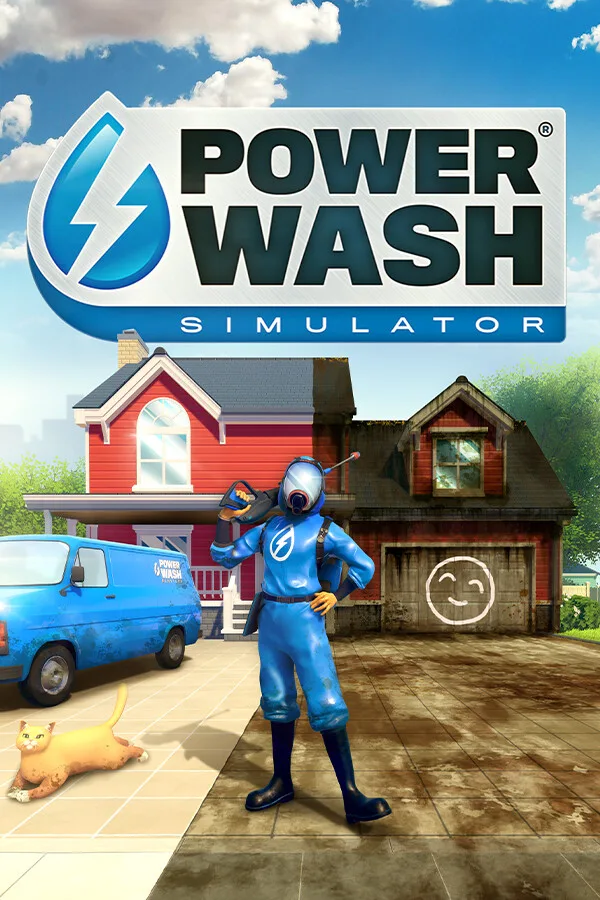
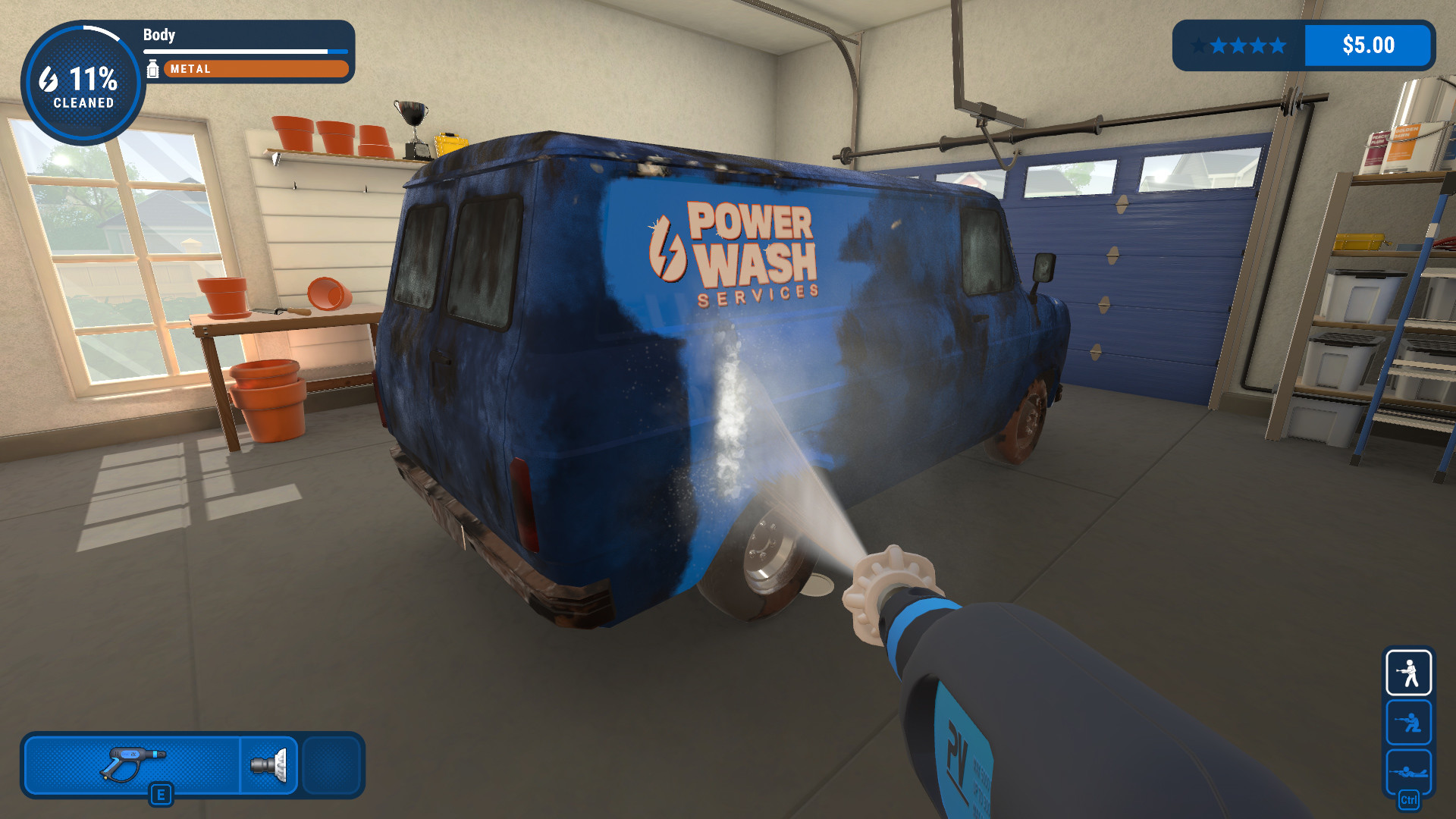
Beyond Yardwork Simulator is a real, upcoming Steam game from developer JoyDev and publisher PlayWay, a studio whose back catalog reads less like a release slate and more like a to-do list nobody ever crossed items off of. you mow, pressure-wash, weed, and sort trash in exchange for cash you then spend renovating your own house, one increasingly specific chore at a time, per the official Steam page.
a free prologue covering the first three jobs arrives Sep 9, per the Prologue’s Steam listing. the full game does not have a date beyond “2026,” which, generously, leaves PlayWay all the runway it needs to eventually announce Beyond Beyond Yardwork Simulator.

i say all of this as someone who has spent measurable years of my one life running a digital farm in Story of Seasons and Harvest Moon without once, personally, touching a lawnmower that exists in three dimensions. Beyond Yardwork Simulator is aimed at exactly my demographic: people who will lovingly manage a fictional flower bed for forty hours and describe an actual flower bed as not my problem. the genre understands its audience. it is not judging me. it is, at most, gently billing me two thousand imaginary dollars per job.
and it is a genre, not a one-off bit. Beyond Yardwork Simulator is arriving into a field that already has Lawn Mowing Simulator, whose real sequel, Lawn Mowing Simulator 2, lands Sep 23 with licensed Kubota, SCAG, and STIGA equipment, per its own Steam page. PC Gamer, surveying the field, noted there is also a separate game called Lawn Care Simulator, and that it exists twice, which the outlet delivered with exactly the tired disbelief the situation deserves, per PC Gamer’s coverage.

somewhere there was a pitch meeting that ended with the sentence “we have done the yard, now let us transcend it,” and somebody funded it, and here we are, well over a thousand likes into a joke about the Simpsons being insufficiently prescient. i will be downloading the free prologue the day it exists, not because my actual yard needs anything, but because it does not have one to need anything about, and that, per the entire thesis of the genre, is exactly the point.
kate bush arrived at the windowsill fully formed, wearing a red dress and a practical amount of wind; everyone else has been… Read more →
kate bush arrived at the windowsill fully formed, wearing a red dress and a practical amount of wind; everyone else has been trying to catch up since.
Source: YouTube

about twenty minutes into Untold: Raygun — Breaking Badly, i posted that the documentary was teetering on the edge between documentary and… Read more →
about twenty minutes into Untold: Raygun — Breaking Badly, i posted that the documentary was teetering on the edge between documentary and mockumentary despite being 1000% earnest. this is still the most accurate review i can offer. the movie is not making fun of Rachael Gunn. the movie would be horrified to learn that laughter has entered the building.
Netflix has assembled all the customary prestige-documentary furniture: low lighting, slow-motion rehearsal footage, a carefully wounded score, and interviews framed as if somebody is about to reveal where the bodies are buried. then Raygun explains that her Olympic routine was a radical expression of creativity, and the film presents the kangaroo hop with the solemnity of the Zapruder film.
nobody involved appears to understand why this feels funny. this makes it much funnier.
Breaking Badly, released on Netflix on September 1, reconstructs Gunn’s path from Australian academic to Olympic breaker to the internet’s designated main character for several exhausting weeks in 2024. the broad facts are strange enough without enhancement. she qualified for the first Olympic breaking competition, lost every battle without receiving a judge’s vote, became globally recognizable for several unconventional moves, and then watched the usual machinery convert public bewilderment into conspiracies, abuse, and mythology.
some of that mythology was plainly false. the Australian Olympic Committee rejected claims that Gunn or her husband manipulated the qualifying process, and the misogynistic intensity of the pile-on was grotesque. “that performance was not Olympic caliber” and “this woman secretly rigged an international sporting body” are different statements. the internet placed them in a blender because nuance has never driven engagement quite as efficiently as accusing a stranger of organized dance fraud.

the documentary is strongest when it deals with that aftermath. becoming a meme means millions of people inherit a tiny, flattened version of you, and they are all permitted to improvise. Gunn was mocked, impersonated, lied about, and treated as a public resource. no reasonable person deserves that. unfortunately, the film seems to believe acknowledging the cruelty requires us to stop noticing anything else.
this is where the accidental mockumentary starts producing its own lighting. Breaking Badly repeatedly treats the choices as “Raygun was a misunderstood visionary” or “Raygun deserved the abuse.” i decline both packages. she did not deserve harassment, threats, invented scandals, or a permanent lease inside everybody’s worst joke. she also gave a strikingly poor performance on the largest possible stage and became the most visible representative of an art form whose actual best practitioners were standing several feet away.
The Guardian’s review identifies the question the film keeps circling without touching: what does it mean that a dorky white academic became the global face of a Black and brown art form while breakers with far greater technical skill remained comparatively anonymous? Netflix is very interested in whether Raygun belongs. it is much less interested in who disappears when the camera answers yes.

Gunn’s stated emphasis on originality over technical precision is not inherently ridiculous. art needs people willing to look strange. i run a personal blog in 2026; clearly i am not opposed to performing outside the market-tested definition of dignity. but originality is not a coupon that waives execution, context, or criticism. sometimes the brave new thing does not work. sometimes all three judges agree.
the most revealing version of the Raygun story is messy: a committed but limited competitor reached the Olympics through a legitimate, underdeveloped qualification system; her unusual routine became funny out of context and not entirely unfunny within it; the world responded with criticism, misogyny, conspiracies, and disproportionate cruelty; and the resulting fame elevated her above the breaking culture she sincerely admired. no single person is required to be villain, victim, fraud, and folk hero at all times.
ABC’s review describes an unprepared athlete overwhelmed by the scale of the Olympics. that is more human, and more interesting, than the polished resilience product Netflix is trying to sell. unprepared people wander into important rooms every day. most of us simply have the courtesy to do it at work, where the footage belongs to Microsoft Teams and will die unseen.
instead, Breaking Badly keeps arranging the story into inspirational poses. the score swells. a lesson approaches. Raygun talks about authenticity. somewhere, a documentarian gently lowers a fog machine. the film is so committed to restoring her dignity that it accidentally removes her complexity, which feels like another form of turning a person into a meme, only this one has tasteful color grading.
i am glad Gunn got to tell her side of the story. i am also fascinated by a documentary that believes telling her side means every uncomfortable contradiction must be escorted off the premises. the result is earnest enough to demand respect, strange enough to generate laughter, and controlled enough that the laughter becomes the most honest audience response available.
it is not a mockumentary. it just keeps stepping on the same rake with excellent production values.
Featured image: Rachael Gunn in Untold: Raygun — Breaking Badly. Image: Netflix; used for commentary.
Sources include Netflix, The Guardian, ABC News Australia, and KQED. Details reflect information available September 3, 2026.

Beyoncé turned 45, B’Day turned 20, and the only responsible observance is the six-minute version of “Get Me Bodied.” A holiday with… Read more →
today is Beyoncé’s birthday, which means it is also the annual day when i remember that “Get Me Bodied” contains its own calendar reminder.
there are celebrity birthdays, and then there are holidays with choreography. September 4 belongs in the second category. you do not need decorations. you do not need a themed cocktail. you need the extended mix, enough floor space to make one or two irresponsible choices, and the willingness to follow instructions delivered at club volume.
this year the observance is unusually tidy: Beyoncé turned 45 on September 4, 2026, while B’Day turned 20. the album was released on her 25th birthday, because even in 2006 Beyoncé understood that the cleanest way to receive a present is to give everybody else homework.

the regular album version of “Get Me Bodied” is very good. this is not its day.
the extended mix is the version that turns the song from a single into a municipal event. it keeps finding more song after a normal song would have politely gone home. Beyoncé calls out moves, the room becomes a line dance with better posture, and Kelly Rowland, Michelle Williams, and Solange appear in the video like the world’s most overqualified birthday committee.
six minutes is exactly the correct length because the point is not efficiency. the point is escalation. “Get Me Bodied” begins as a request and ends as a small government with mandatory physical education.
it is also a nearly perfect summary of B’Day: urgent, percussive, slightly bossy, and entirely uninterested in behaving like background music. the album sounds as though every instrument has been told there are only ten minutes left before the venue charges overtime. even the slower moments feel like somebody is about to kick open a door.
the 20th anniversary arrived with a new 31-track deluxe edition, including previously unreleased material and several versions of “Get Me Bodied.” People reported the release on September 4, along with Tina Knowles’s birthday tribute to her daughter. it is a very Beyoncé solution to an anniversary: do not merely remaster the old thing; make the old thing expand until it requires its own filing system.

anniversary editions can feel like archival housekeeping: here are the demos, here is the booklet, please purchase the object again in a slightly more rectangular box. B’Day does not really lend itself to tasteful archival distance. the album is still too sweaty. “Déjà Vu” still arrives already in motion. “Ring the Alarm” still sounds like the alarm has developed a personal grievance. “Upgrade U” remains a performance review delivered over horns.
and “Get Me Bodied” still works because it never pretends dancing is spontaneous. it gives you the instructions. pat your weave. tick. fight the feeling. tick. do the Naomi Campbell walk. the song knows that sometimes freedom requires a checklist.
so, happy Beyoncé day. if you listened to the short version, the holiday board has reviewed your paperwork and found it incomplete. please report to the extended mix, where attendance will be taken by name, birthday, and ability to drop down low and sweep the floor with it.
sources and media: People’s September 4, 2026 report on Beyoncé’s 45th birthday and the B’Day 20th-anniversary deluxe edition; Beyoncé’s official video via YouTube; Creative Commons image credits and licenses appear with each photo.

professional wrestling is at its best when the entire story can be explained to a child in one sentence and the child… Read more →
professional wrestling is at its best when the entire story can be explained to a child in one sentence and the child is already furious before you finish.
this clip from the May 17, 2024 SmackDown is eleven seconds long. Nia Jax walks over to Jade Cargill’s daughter, Bailey, and tells her that her mom sucks. Bailey objects, correctly. Jade gets off the floor and superkicks Nia. we have a villain, a victim, a personal stake, a comeback, and a cathartic act of violence. prestige television has spent eight episodes accomplishing less.
the thing I love is that Bailey does not look like a performer who has been inserted into an angle. she looks like a kid who has just received inaccurate information about her mother and would like the record corrected immediately. Nia understands the assignment, because the assignment is being mean enough to make a child hate you without making the child actually afraid of you.

wrestling crowds are not audiences in the normal sense. the barricade separates them from the match physically, but the whole art form depends on pretending it does not separate them narratively. people boo, chant, argue with referees, warn wrestlers about someone sneaking up behind them, and occasionally discover that their mother is now part of the show.
most entertainment asks you to sit quietly while trained professionals manufacture a feeling. wrestling gives you a folding chair, sells you a foam finger, and asks you to help. the audience is the laugh track, the Greek chorus, the focus group, and, on the right night, an unpaid supporting cast with excellent seats.

the reply calling this a top-five moment in Bailey’s life is probably right. children rarely get such clean emotional bookkeeping. somebody insults your mom, your mom stands up, and that person is immediately kicked in the face while several thousand people cheer. there is no waiting for HR, no carefully worded group text, and no six-month process of realizing that the best revenge is living well. the revenge is a superkick. it arrives before the sentence has fully cleared the air.
Jade was disqualified from the Queen of the Ring match, which is also perfect. the rules say she lost. every other available form of human judgment says she won. the tournament continued, Nia eventually became Queen of the Ring, and Bailey got permanent evidence that her mother will abandon a bracket to defend her honor.
this is why I keep coming back to wrestling even when the booking is nonsense and the weekly shows are approximately nine hours long. occasionally, the enormous corporate production machine stumbles into something so small, legible, and human that it becomes the whole point: a heel says “your mom sucks,” a kid says “no,” and mom handles it.
the match and ringside confrontation took place during Jade Cargill vs. Nia Jax in the Queen of the Ring quarterfinal on WWE SmackDown, May 17, 2024. FOX Sports has the match highlight.

some fandoms are things you enjoy. others quietly become part of the structure holding every version of you together. Read more →
I reposted a Bluesky post tonight that said, “X-Men has been the most consistent interest in my life.” It is a very efficient sentence. Nine words, and suddenly I am thinking about the strange little handful of interests that stop being things you like and become part of the load-bearing structure of your personality.
The X-Men are unusually good at becoming that kind of interest. They are less a single story than a municipal transit system: enormous, occasionally unreliable, redesigned every few years, and somehow still able to take you back to the same place.
Trying to explain X-Men continuity is how normal conversations become hostage situations. There are alternate timelines, cloned people, cloned people who did not initially know they were clones, children who are older than their parents, deaths that function more like extended vacations, and at least one island that is also a person. The official history is technically knowable, in the same sense that the tax code is technically knowable.

But continuity is not really what keeps people around. The return is. You can disappear for five years, come back through a cartoon, a movie, a comic run, or one extremely specific Tumblr gifset, and the essential machinery is still there. A group of people has been told that something fundamental about them makes them dangerous. They respond by building a home together, putting on coordinated outfits, and developing interpersonal problems of almost military complexity.
That premise travels. It can be a civil-rights allegory, a queer text, a family drama, a workplace comedy in which the workplace keeps exploding, or an excuse for Wolverine to stand in a forest looking like someone has interrupted the worst cigarette break of his life. Sometimes it is all five before lunch.
The durable childhood interests are rarely the ones that remain frozen. Usually, they survive because you keep discovering a different entrance.
When you are young, the X-Men can be about powers, costumes, giant robots, and the objectively correct belief that Storm is the coolest person in any room. Later, the same stories start looking like arguments about respectability, chosen family, assimilation, political exhaustion, and what people owe a society that keeps announcing its intention to destroy them.
As a gay person, none of that requires particularly strenuous decoding. The franchise has never mapped neatly onto one real minority experience, and it gets clumsy whenever it tries to behave as though it does. Still, the emotional grammar is familiar: disclosure as risk, family as something you may have to assemble yourself, public acceptance that vanishes the second people become frightened, and the endless demand that the marginalized person remain calm enough to deserve survival.
You can meet that story before you have language for yourself, then return after you do. The characters have not necessarily become more sophisticated. You have. They were simply patient enough to wait.

Long-running fiction accumulates versions of its audience along with versions of its characters. A particular theme song stores the room where you first heard it. A costume design stores the age when you decided someone looked impossibly cool. A revival stores the slightly unsettling discovery that your childhood is now an intellectual property strategy.
X-Men ’97 understood this better than most nostalgia projects. It did not merely put the old action figures back on the shelf and wait for applause. It returned to the visual and emotional vocabulary people remembered, then allowed time to have happened. The result felt familiar without pretending familiarity was sufficient. This is apparently a radical concept in franchise management.
That matters because consistency does not mean consuming every issue, seeing every movie opening weekend, or maintaining a working knowledge of which body Professor Xavier currently occupies. There are years when an interest is central, and years when it sits quietly in the background. It still becomes a way of keeping track of yourself.
I think that is what made the skeet land. “Most consistent” does not mean unchanged. It means the thing kept finding a version of you who could use it.
A lifelong fandom is not an endorsement of every choice made under its logo. God knows the X-Men have supplied enough bad movies, baffling retcons, aborted metaphors, and stories where nobody appears to have asked whether women should be allowed one uninterrupted afternoon.
The affection survives because it is bigger than approval. You can love the basic proposition, argue with its execution, ignore an era entirely, and come back when somebody remembers why the whole thing worked. That is a healthier relationship to culture than the modern demand that everything you enjoy also function as a flawless public statement about your moral character.
Some interests are favorites. Some are phases. A few become personal infrastructure: not always visible, not always fashionable, but still quietly holding up part of the building.
The X-Men are especially suited to that job. Reinvention is already built into the premise. The roster changes, the school relocates, the dead return, the future becomes terrible in a slightly different way, and everyone tries again.
Honestly, there are worse things to carry forward.

spoilers for Big Brother 28, obviously. Haley “Thog” Thogmartin’s exit press arrived this morning, several days after the feeds spoiled her medieval-twist… Read more →
spoilers for Big Brother 28, obviously.
Haley “Thog” Thogmartin’s exit press arrived this morning, several days after the feeds spoiled her medieval-twist elimination and one night after CBS finally allowed the television audience to catch up. this is an extremely normal way to evict somebody from a social-strategy game: make her spend roughly seven hours outside in a heavy dress, lose four competitions in a row, disappear without a vote, and then wait half a week before asking how she feels about it.
Thog’s answer was mostly: fair enough. this is to her credit, although “did not blame a foam castle after losing four competitions” is not quite the redemption arc her exit press occasionally seems eager to assemble.
i posted this last week because the entire house was becoming personally offended that people had lied to them in the lying game. Thog’s interviews are interesting because she has now reached basically the same conclusion, only after being physically removed from the lying game by a man dressed like he was guarding a Renaissance fair parking lot.
in both Mike Bloom’s Parade interview and Dalton Ross’s Entertainment Weekly interview, Haley said she would have preferred a traditional eviction. she wanted the opportunity to campaign, say goodbye, make jury, and, yes, continue trying to win $750,000. all very reasonable complaints about being deleted from the house by Big Brother: Dark Ages Edition.
still, she did not call the result unfair, and she does not regret asking Dee to send her into the first safety competition. with Dee and Devens already safe, and Angela next in their plan, Haley correctly assumed nobody was likely to save her for her. going in first gave her the maximum number of chances to protect herself. the strategy was sound. the competitions simply said absolutely not.

the EW interview adds the bleak production detail that the whole sequence took about seven hours. she was given water and allowed to sit, but she did not go back inside between rounds. by the end, she was hot, sweaty, exhausted, and wearing a thick medieval dress. “expect the unexpected” is one thing. “expect to become a damp tapestry” feels like a separate waiver.
Bloom opens by asking how rough her week has been, and Haley answers, “My week’s been perfect!” honestly, good start. no notes.
then he presses her on one of the season’s stranger recurring claims: Haley repeatedly described her first several weeks as extraordinarily difficult even though she was protected by Red Corner and Toolshed, never touched the block, and won an HOH. Melody and Mallory, who spent that period repeatedly fighting for their lives, understandably did not enjoy hearing about it.
Haley’s answer is revealing because she can now separate her emotional experience from her strategic position. game-wise, she admits she was safe and set up well. personally, she felt overwhelmed almost immediately, took comments and conflicts very personally, and was less mentally prepared for the house than she expected. that is useful context. it is not a defense.
the problem was never that Haley had feelings. the problem was that she treated her feelings as objective evidence, then expected people with far less protection to manage them for her. “i have had seven rough weeks” remained absurd when delivered to people who had been nominated four times before lunch. worse, ordinary resistance from Taylor, Lala, and others repeatedly became proof that Haley had been attacked, while her own coded dismissiveness, tone-policing, and microaggressive behavior got filed under stress. she was playing from inside the feeling, and only her feelings were granted full citizenship.
both interviewers asked Haley directly about her behavior toward Taylor and her accusation that Lala had bullied her. good. those were not stray comments floating loose from an otherwise lovely summer. they were part of the ugliest pattern in Haley’s game: she could be dismissive and cruel, especially when someone outside her comfort circle asserted herself, then quickly reframe the resulting conflict as something being done to Haley.
on Taylor, Haley said she had seen some of the online reaction, regretted what she said, understood that it was hurtful, and wanted to apologize directly. she also acknowledged that she inserted herself into the argument after overhearing her name, then refused the difficult conversation Taylor tried to have the next day because Haley did not want another heavy exchange. Taylor was expected to absorb Haley’s interruption, Haley’s assumptions, and Haley’s refusal on Haley’s preferred schedule. this was the pattern in miniature.
Haley says this is an explanation, not an excuse, but the explanation still occupies most of the available real estate: pressure, exhaustion, overstimulation, and what she was personally experiencing. meanwhile, Taylor experienced the actual comments. owning harm after seeing the online reaction is better than denying it, but it is also the first item on the checklist. the microphones did not misunderstand her, the audience did not invent a tone, and a stressful house did not distribute the same behavior evenly among everyone inside it.
on Lala, Haley retracts the bully label, as she should. she still returns to exchanges that hurt her feelings and an apology that did not feel sincere enough in the moment. this is the recurring asymmetry: Haley’s interior life arrives with footnotes, weather reports, and an appeals process; everyone else’s arrives as a threat assessment. calling a Black woman a bully for confronting you is not made harmless because the house was tense. the tension is part of why checking that reflex mattered.

exit press is not absolution, and viewers are not obligated to convert one morning of consequence-assisted reflection into retroactive affection. Haley named specific people and admitted specific behavior, which makes this sturdier than the passive-voice mist reality contestants usually release when they discover the feeds had sound. it does not make it especially brave. she was terrible to people in that house, the pattern was visible long before eviction night, and “i own it” is the beginning of accountability, not its deluxe finale package.
the funniest strategic revelation is that Dee’s role in flipping the vote from Melody to Lyric went completely over Haley’s head. once told the full story, she immediately gives Dee credit. in EW, she says “it went right over my head,” then explains that she kept judging moves by what someone would do to a friend in real life. she now understands that this was, apparently, not the game.
apparently!
this is the entire Haley Thogmartin experience in one answer. she had enough social structure to dominate the opening month, enough competition ability to win power, and enough loyalty to be useful. what she did not have was the ability to treat information as information once it touched an emotion. every lie became a betrayal, every tense exchange became a moral event, and every person who challenged her risked becoming mean, unsafe, or a bully. that was bad strategy, but it was also simply bad behavior. the distinction matters because the people on the receiving end were not game pieces in Haley’s personal-growth montage.
even after learning that the icons engineered the flip that destroyed her position, Haley says she would have remained loyal to them if she survived. there is logic there: they had become her only viable path, and resentment is not a strategy. there is also the lingering sense that “loyalty” was the one tool she trusted after the rest of the toolbox caught fire.
Haley names Dee as the person playing the best hidden strategic game. she also praises Devens, says “his social game is immaculate,” and picks him as the person she wants to win.
this is especially funny timing because Devens is currently on the block after volunteering to be Drew’s replacement nominee, a sentence constructed entirely from decisions i would not personally make. Haley believes his connections to Barrett and Drew give him room to survive even as the icons come under attack. we will know tonight whether her first postgame read is sharper than her in-house ones. no pressure.
the rapid-fire ending supplies one final tiny character study. Haley calls Angela nurturing, Barrett slick, Dee strong, Devens safe, and Lala fierce. asked about Taylor, she pauses, then calls her beautiful, says she has a beautiful heart, and describes her as an overall great person. it reads partly as a peace offering, partly as somebody choosing every word with oven mitts, and partly as the clearest indication that she knows exactly which conversation waits outside the studio.
Haley’s exit press does not rewrite her season. she was unnecessarily cruel, repeatedly microaggressive, remarkably self-focused, and strategically unable to separate hurt feelings from useful facts. she helped create an ugly house dynamic, then narrated herself as one of its primary victims. a competent apology cannot make that footage unaired.
the exit interviews improve my opinion of her from “incapable of self-reflection” to “capable of it once the consequences and press questions arrive.” that is movement. it is not redemption. she left understanding the twist that evicted her, the mistake that blinded her to Dee, and at least some of the harm she caused Taylor and Lala. the postgame download installed successfully. the operating system remains deeply suspicious.
Featured image: Haley Thogmartin cast portrait, CBS/Paramount; used for commentary.
Sources: Parade’s interview with Mike Bloom, Entertainment Weekly’s interview with Dalton Ross, and the ongoing #BB28 Thog discussion on Bluesky. Details reflect information available September 3, 2026.

youtube is no longer just a website with videos. according to my watch history, it’s a streaming service assembled from television, obsolete… Read more →
I’m currently rewatching Please Like Me with my friend Jacob, which is how I discovered that YouTube has apparently become a streaming service now.
Obviously YouTube has technically been a streaming service for a very long time. Video goes in. Video comes out. Streaming has occurred.
But that’s not what I mean.
I mean YouTube has somehow accumulated so many different kinds of television that opening the app on a TV now feels less like visiting a website and more like walking into a flea market where several incompatible versions of the entertainment industry have rented tables.
There’s normal YouTube. People talking directly into cameras. Video essays. Podcasts that have cameras for some reason. Game footage. Music videos. A very serious investigation into whether 2015 was Nintendo’s worst year ever.
There are also movies.
There are entire television shows.
There are live television channels.
There are sports.
There are clips uploaded by networks, old episodes uploaded by networks, and old episodes uploaded by somebody whose continued existence probably depends on nobody at a network noticing them.
And increasingly, there are actual streaming subscriptions living inside YouTube. YouTube says it now offers more than 50 Primetime Channels, including HBO Max, Paramount+, FOX One, and NFL Sunday Ticket. Peacock moved in this summer, too, so NBC shows, Bravo, Universal movies, and live sports can now occupy the same app as a six-hour compilation about discontinued game consoles. (YouTube Help, YouTube Blog)
Netflix would very much like you to think of Netflix as television.
Disney+ is Disney.
Peacock is NBC.
YouTube is apparently everything television has ever been, plus whatever I became curious about four minutes ago.
That is a fundamentally different proposition.
I looked at my recent YouTube history because I wanted to see whether my impression of the service was accurate.
It was worse than I thought.
My recent viewing begins with a Daily Show clip about pardons, followed by three videos about Nintendo’s difficult relationship with 2015, the 3DS, and Wii U games ported to the Switch.
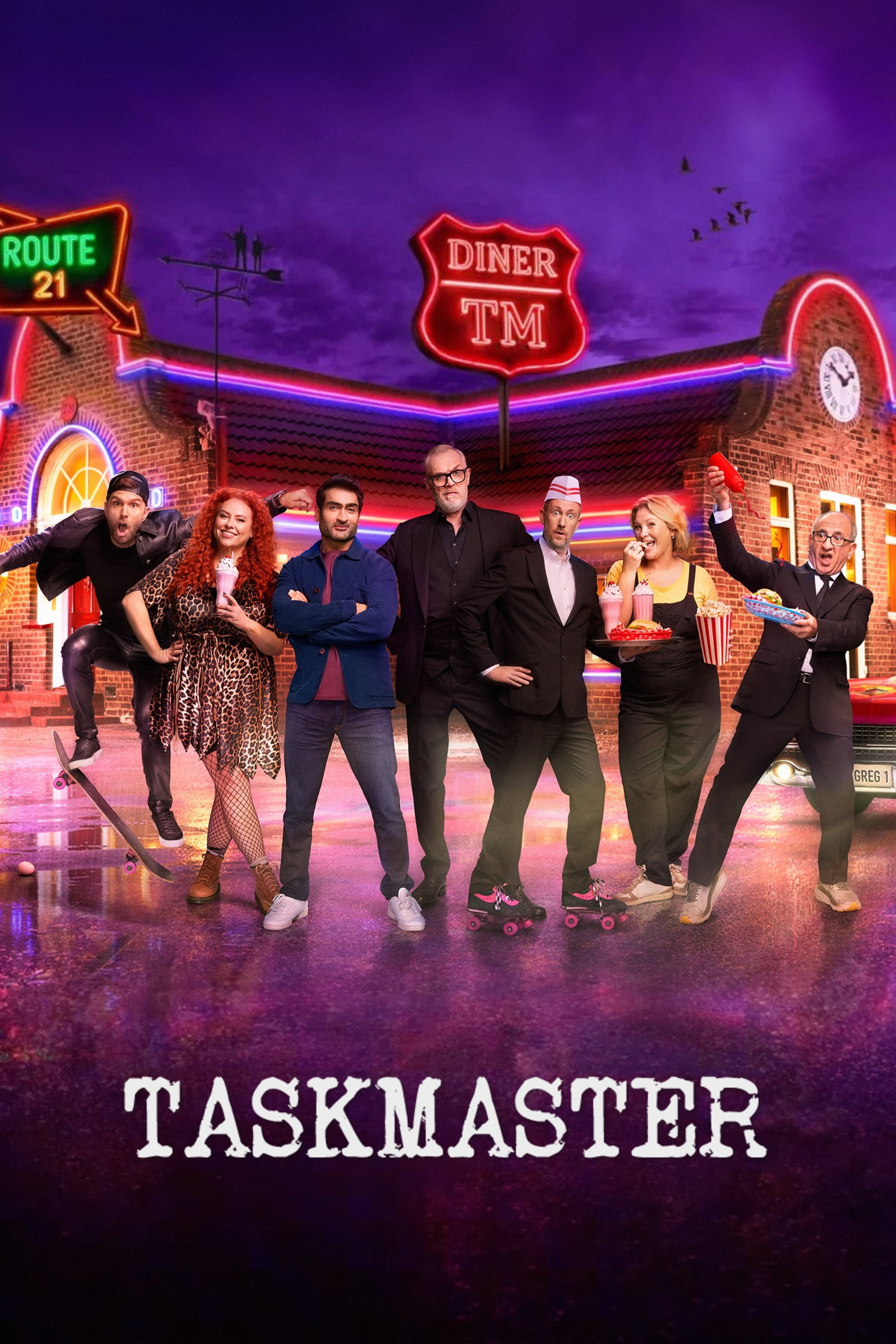
Then Task Mistress.
Then a Tomb Raider presentation from Gamescom.
Then a segment from This Morning called Meet The Man With Hands 10 Times Bigger Than Yours!
Then orcas.
Then a Graham Norton tribute to Dolly Parton, followed immediately by Kylie Sonique Love’s “Do It Like Dolly.”
Then a Jim Cornette omnibus, a full episode of The Big Fat Quiz, another episode of Task Mistress, and Bob the Drag Queen ranking reality television fights.
No television network has ever assembled that schedule because a television network would be investigated.
YouTube looked at all of those things and said: yes, this is one viewer. We can work with this.
The categories stop meaning anything after a while. Is a three-hour Scott the Woz compilation a television show, a podcast, a documentary, or the audiovisual equivalent of leaving a box fan running while I do something else? Is Bob the Drag Queen playing a Roblox animal hospital a game stream or a sitcom? Is The Big Fat Quiz television if I watch it through an official upload on the same service where I just learned that somebody put Linux on an Android phone?
At some point the answer becomes: who cares, it’s on the big rectangle and I am watching it.
Streaming services usually organize themselves around genre. Comedy. Drama. Reality. Documentary. Action.
My actual YouTube genres appear to be:
Netflix does not have a row called Because You Watched Why Growing Pink Pineapples Is Illegal.
YouTube understands that it should.

Every streaming company spent the last decade trying to convince us to download another app.
YouTube did not have to do that.
YouTube was already there.
It’s on the television, phone, tablet, Xbox, Switch, and probably the refrigerator if Samsung believes it can make me watch a preroll ad while getting shredded cheese.
It is the one video app I can safely assume exists on whatever glowing rectangle happens to be nearby.
That becomes surprisingly powerful once YouTube stops being merely “YouTube videos.”
If a television series is officially available there, I don’t have to remember which media conglomerate owns it this quarter. I search for it.
If I want a game presentation, I search for it.
If I want to know why a Superman game is apparently so difficult to make, I search for it.
If I want to know whether an apple provides more energy than coffee, I search for it, despite having survived for 37 years without requiring a ruling.
And if I don’t know what I want, YouTube is prepared to generate a need. Before reviewing my watch history, I had forgotten that I apparently needed to see whether two interleaved phone books could be pulled apart, why cold drinks were deadly before 1914, every occasion on which evolution produced a crab, and what ancient humans did when it was too hot to sleep.
The app collapses the distinction between watching television and looking something up about television, then collapses the distinction between looking something up and being ambushed by a new subject entirely.
Netflix wants you to stay inside Netflix.
YouTube wants you to fall down a staircase.

Streaming services present their catalogs as intentional collections.
Here are our prestige dramas.
Here are our comedies.
Here are our blockbuster movies.
Here is a tasteful row called “Because You Watched The White Lotus.”
YouTube’s catalog feels archaeological.
There are current game presentations beside retrospectives about the Wii U and PlayStation Vita. There are polished cooking productions beside Modified Grilled Cheese — You Suck at Cooking. There’s a 100-hour Counter-Strike 2 marathon somewhere between Cobblemon analysis and an episode of Poker Face in which one dish has been sabotaged.
I watched a history of browser games, a video about weird 3D GIFs, and somebody playing Toontown Rewritten. On another service, that would require a carefully programmed nostalgia collection. On YouTube, it’s apparently just Tuesday.
There are also entire ecosystems of old media being watched, clipped, reconsidered, ranked, and turned into new media. A chaotic episode of Wheel of Fortune becomes a full upload. Old celebrity interviews become warning signs. Every bad wrestling faction can be assembled into a taxonomy. A forgotten console receives the sort of historical treatment once reserved for dead monarchs.
A streaming service would never design a catalog this way.
That is precisely why I like it.
For years, online video has moved toward behaving more like television: better production, professional creators, cleaner interfaces, premium subscriptions, and increasingly expensive programming.
YouTube accomplished all of that without successfully removing the basement underneath it.
The polished television is sitting directly on top of twenty years of internet debris.
That rules.
The funniest part is that conventional streaming companies seem increasingly willing to simply move into YouTube.
YouTube launched Primetime Channels so people could subscribe to individual services and watch their shows, movies, and live programming without leaving YouTube. FOX One joined in June 2026, and Peacock followed later that month. YouTube described the point plainly: put more entertainment in one place so viewers do not have to jump between apps. (YouTube Blog)
We spent years unbundling cable so every media company could build its own streaming service.
Now the streaming services are slowly climbing back into bundles.
Except one of the new cable companies is YouTube, and its channel guide was assembled by an algorithm with access to my psychological vulnerabilities.
Imagine explaining my recent programming schedule to somebody in 1998:
8:00 — Task Mistress 8:45 — The Worst WWF/WWE Factions 10:00 — Bob the Drag Queen runs a Roblox animal hospital while armed 10:32 — festive cheese 11:10 — can air become alcohol? 11:28 — an update on some rocks a woman left at stage one for six months 11:47 — ancient heat-management strategies 12:09 — typewriter keyboards 12:31 — illegal pink pineapples
That channel would immediately become my favorite channel.
I don’t particularly want another perfectly curated streaming service.
We have those.
They’re fine.
What I increasingly appreciate is a place where professional entertainment and random human obsession occupy the same space.
My history is full of videos made by broadcasters, newspapers, game companies, established production studios, independent creators, comedians, drag queens, wrestling obsessives, hardware tinkerers, and people who have appointed themselves historians of failed consoles. YouTube doesn’t ask me to decide which class of media I am currently consuming. It just keeps playing.
That used to be much more common online. The internet did not have such clean boundaries between “media” and “some thing a guy made.” YouTube still doesn’t.
It may now contain television networks, subscription services, live sports, studio movies, premium entertainment, and shows I already wanted to rewatch, but none of those things have managed to displace the weird website underneath.
They just moved in next door to it.
So now YouTube is possibly the most complete streaming service, provided your definition of complete includes Please Like Me, professional Japanese kitchen gadgets, WWE nobodies who somehow became world champion, Michael Jackson’s most savage moments, an LGBTQ+ sandwich, and a Pokémon toy that is also a Nintendo DS.
Mine apparently does.
Anyway, I need to get back to Please Like Me.
Unless YouTube would like to explain why everything keeps evolving into crabs first.
In which case all bets are off.

Dolly Parton and Tim Curry died on the same day at 80. Their careers looked nothing alike, but both made glorious excess… Read more →
it is an almost offensively neat piece of cosmic bookkeeping: Dolly Parton and Tim Curry both died on tuesday, august 25, both at 80. the news arrived in separate waves, as if the universe wanted to make sure we had time to feel each floor drop out from under us
Dolly died in Nashville after a brief battle with cancer. Tim died at his home in Los Angeles; his manager did not disclose a cause. two separate losses, one awful day
on paper, they do not make an obvious pair. Dolly was a mountain songwriter who built a rhinestone republic out of country music, movie stardom, dirty jokes, sharp business instincts, and millions of children’s books. Tim was a Cheshire-born actor whose career ran from the royal court to Rocky Horror, Clue, It, Muppet Treasure Island, and enough voice roles to quietly occupy half our childhoods
but for queer people—and really for anybody who has ever been told to turn the volume down—they spoke two dialects of the same language: too much is not a character flaw
Dolly never pretended the hair grew that way. the construction was part of the honesty. she could show you every seam in the image, make the joke before you did, and then land a song so emotionally precise it rearranged the furniture in your chest
the wigs, nails, rhinestones, body jokes, and deliberately impossible silhouette were not camouflage. they were authorship. Dolly understood that artifice can be the route to truth when you are the person choosing it. drag performers recognized that immediately, and Dolly recognized them right back
her allyship was not flawless political branding assembled by committee. it was the same stubborn hospitality that ran through her work and her philanthropy: nobody gets turned away from the family table for being gay, poor, rural, loud, overdressed, undereducated, or otherwise inconvenient. the Human Rights Campaign’s remembrance gets at why that mattered
Tim’s version of permission was less front-porch welcome and more castle door flung open at midnight. Frank-N-Furter was dangerous, selfish, funny, erotic, cruel, magnetic, and gloriously impossible to file into a respectable little box. the performance did not ask permission to blur gender, desire, comedy, horror, and rock music. it simply arrived in heels and took over the room

this is the part people who distrust camp always miss. exaggeration does not flatten feeling; it can make enough room for feeling to breathe
Dolly’s camp said the wig is fake and the love is not. Tim’s camp said the castle is ridiculous and the desire is real. both used spectacle to smuggle tenderness past people who might have rejected it in plain clothes
neither of them became beloved by sanding off the strange parts. they became beloved because the strange parts were delivered with total craft. Dolly could make a punchline, a feminist workplace anthem, and a devastating farewell song sound like they came from the same honest mouth because they did. Tim could turn a board-game murder mystery, a sewer clown, a cartoon pollutant, and a pirate into distinct species of theatrical delight because he never treated “genre” as an excuse to phone it in
celebrity grief is weird. we do not know these people, but we know the rooms their work made inside us. we know which version of ourselves first walked into those rooms and what became possible there
for some people Dolly was proof that poor, rural, feminine, funny, sexual, devout, ambitious, and generous could all inhabit one body without canceling each other out. for some people Tim was the first adult on a screen who made gender trouble look less like a diagnosis and more like a party

losing both on the same day feels less like a tidy cultural coincidence than somebody dimmed two completely different spotlights at once
the world is not suddenly less queer, less kind, or less gloriously overdecorated. they helped make sure of that. but it is, for the moment, a little less brightly lit