Doctor Doom gets competing gauges, Game Pass joins the phone-plan menu, and Google Beam connects military families. Read more
Tuesday, October 27, 2026 · morning edition
Doctor Doom has acquired a progress bar, Game Pass is joining the wireless-plan menu, and Google is trying to make a video call feel a little less like a video call.
doctor doom has installed a progress bar
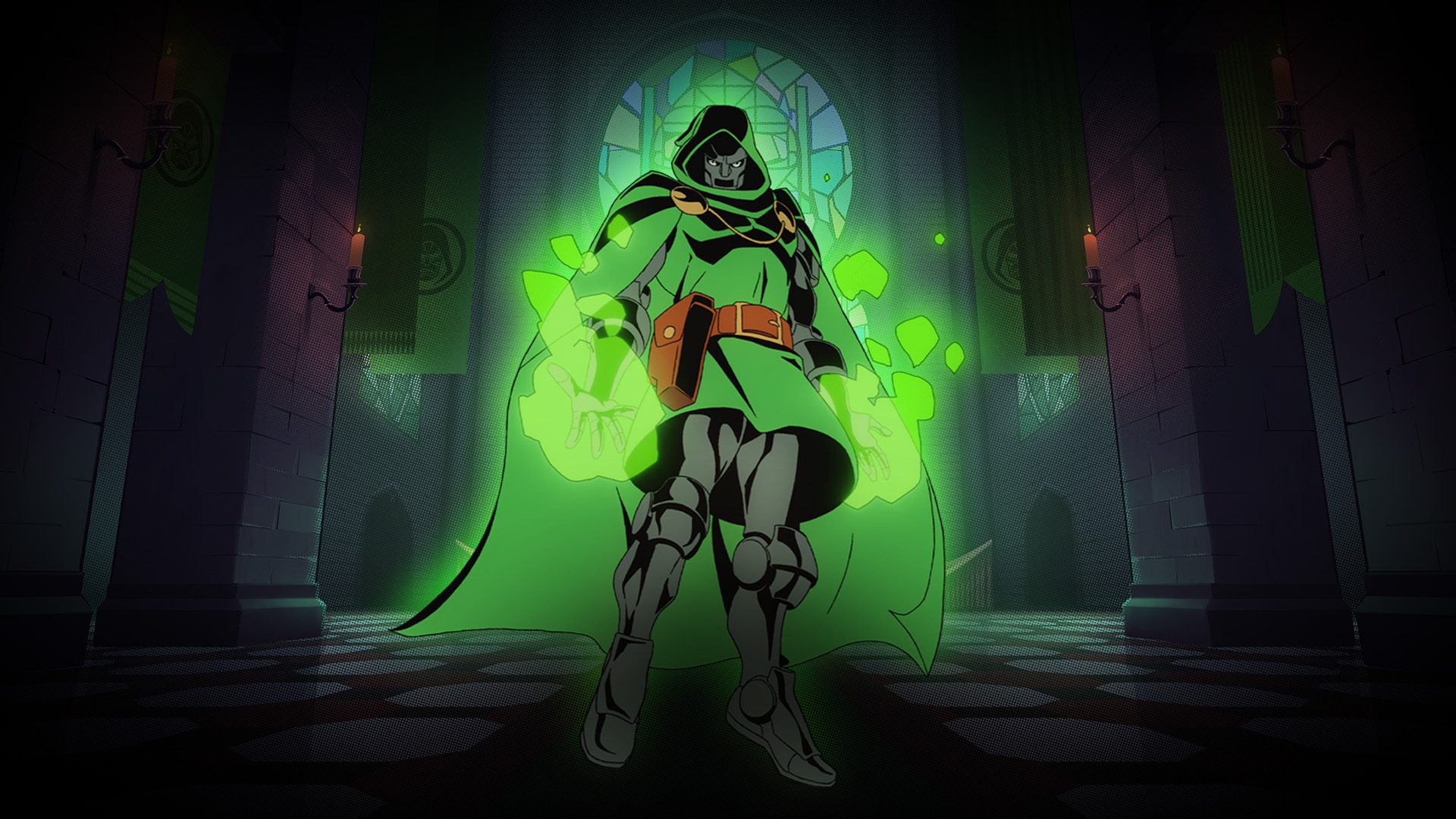
Marvel Cosmic Invasion’s The Siege of Castle Doom arrives November 10 with Doctor Doom and the Invisible Woman as playable characters. Tribute Games says its new mode pits Doom’s charging Siege Gauge against batteries collected for Reed Richards’ Stabilizer. The castle has branching doors, perks and encounters that change between runs. Apparently conquering the world now involves managing two competing loading indicators.
the phone plan would like a controller
Xbox Game Pass is coming to eligible T-Mobile customers through T-Mix beginning in November. Microsoft says qualifying U.S. customers can choose Game Pass Ultimate or Premium as a wireless-plan benefit. Eligibility still matters, so check the linked announcement before treating your phone bill as a console accessory.
the video call has a better reason to exist
Google and the USO are bringing HP Dimension with Google Beam to 20 USO locations worldwide. The 3D video system connects deployed service members with family, and a new docuseries follows four military families using it. After a pilot between Poland and Fort Bliss, the program is expanding to Germany and Fort Hood. This is a considerably better use of a large video screen than another meeting that could have been an email.
An OLED iPad mini, a battle royale that changed its mind, a Baltic flight plan, and Netflix’s trip to the book festival. Read more
Monday, October 26, 2026 · afternoon edition
The small iPad gets a bigger screen, a battle royale decides to cooperate, and Flight Simulator redraws the Baltic itinerary. Netflix, meanwhile, has found a content library that comes with bookmarks.
the little ipad has acquired ambitions
Apple’s new iPad mini gets an 8.5-inch OLED screen, an A20 Pro chip and IP67 water-and-dust resistance. Preorders open October 28, with availability November 6. The front camera has also moved to the landscape edge: a modest concession to where faces actually go during video calls.
the battle royale has decided to work with others
Scramble Knights Online launches today in Game Preview on Xbox Series X|S and PC, including Game Pass, after Funktronic Labs rebuilt its battle-royale project around cooperative adventures. In the developer’s launch-day account, playtesters liked exploring the world considerably more than fighting over it; the new version makes quests, dungeons and a shared town square the main event. It is still an unfinished Game Preview release, but the design change is more interesting than another promise to be the last person standing.
the baltic itinerary has finished downloading
Microsoft Flight Simulator’s World Update 23 arrives today with refreshed scenery across Poland, Estonia, Latvia and Lithuania. The free update adds 12 photogrammetry areas, 77 points of interest and five handcrafted airports, with missions for both the 2020 and 2024 versions. Owners need the current simulator version and the World Update download; Tallinn’s old town is not going to install itself.
netflix has discovered the original content library
Netflix is making its Texas Book Festival debut in Austin on November 14–15, bringing The Hunting Wives author May Cobb and Virgin River showrunner Patrick Sean Smith to a book-to-screen panel. There is also an early screening of Guarding Stars, starring Leighton Meester and Jared Padalecki, adapted from Katherine Center’s The Bodyguard. The festival is free, while the screening has a separate reservation link in the announcement; the reading lounge promises free books and coffee. Neither requires a loading screen.
Four rechargeable AAs, one compatible charger, and a useful reminder: the controller’s USB port won’t charge those cells. Read more
As an Amazon Associate I earn from qualifying purchases.
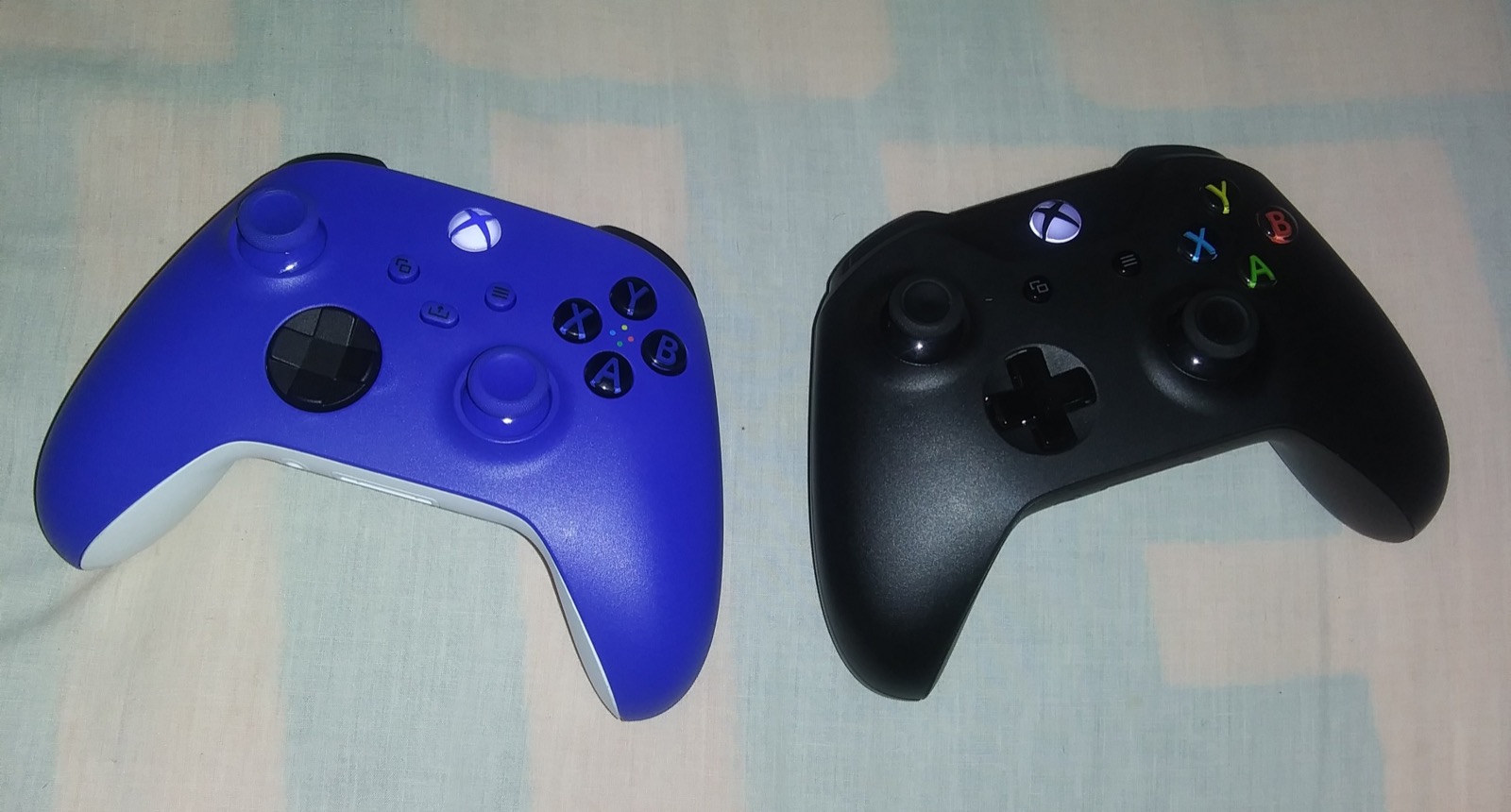
An Xbox controller should not need a recurring snack budget. If yours is a standard Xbox Wireless Controller with an AA compartment, four rechargeable AAs make a simple rotation: two in the controller, two charged and waiting.
The photograph shows a two-cell AA pack, not the four-cell-and-charger kit linked below.
One catch matters: the AAs charge in the external charger. Plugging a USB cable into the controller does not recharge AA batteries. Xbox’s battery guidance distinguishes replaceable AAs from its rechargeable battery pack.
Skip this if your controller has a built-in battery, or if you already own suitable rechargeable AAs and a compatible charger. Check the exact kit number before buying; a battery-only pack is a different purchase. The useful upgrade is having a spare pair ready, not collecting more charging accessories.
Panasonic eneloop K-KJ17MCA4BA
Four AA rechargeable cells + BQ-CC17 external charger.
Two in the controller, two ready for the next round. Check that your controller takes replaceable AAs.
Image credit: Xbox Wireless Controllers, AlexZade, CC BY-SA 4.0. Resized for display; no other changes. Contextual controller photograph, not a product photograph of the charger kit.
Additional image: PanasonicEneloop, SergeSF, CC0. Resized for display; packaging illustrates AA cells, not the linked kit.
Fallout’s pets leave camp, Helldivers celebrates Liberty Day, Rocky gets a making-of movie, WWE goes vertical, and Kornacki gets a bigger board. Read more
Monday, October 26, 2026 · morning briefing
A domesticated Deathclaw, a commemorative rifle, and a secret agent disguised as a nanny. Monday has arrived with a fairly broad job description.
the deathclaw needs a walk
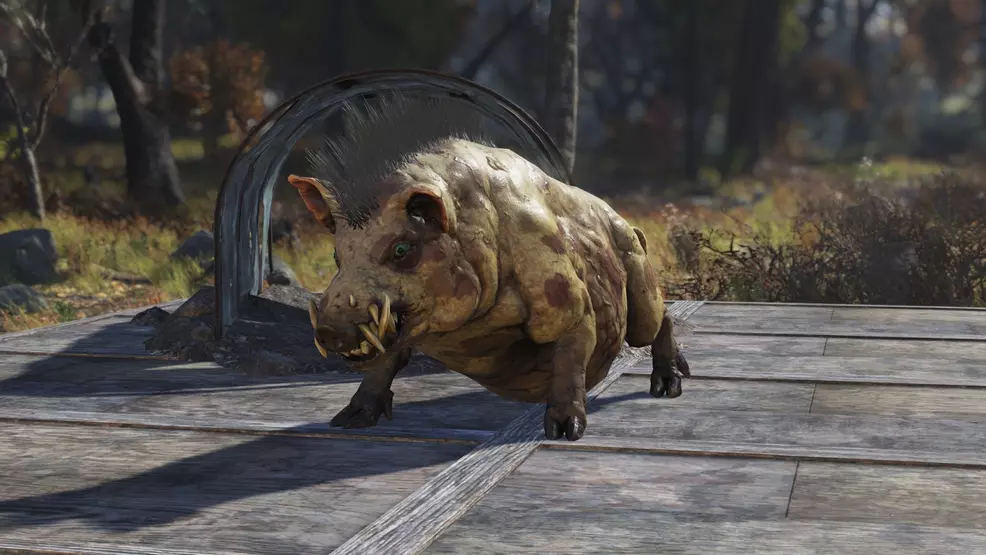
Fallout 76’s World Pets update arrives December 1, letting cats, dogs, radhogs and domesticated Deathclaws leave the C.A.M.P. and join your adventures. Bethesda says companions can be named, customized and given commands, with a refreshed Skyline Valley arriving alongside them. Yesterday’s Fallout news concerned the reality-show vault; this is the game update, with considerably more demanding pet-sitting.
super earth has authorized a party hat
Helldivers 2 is celebrating Liberty Day today with the AR-23L Liberator Legacy rifle and 24 hours of Super Destroyer decorations. Arrowhead says the rifle will be distributed at 23:59 CET, or 5:59 p.m. Central, to players who have played since September 26. The studio also has printable party materials and community minigames ready. Even the space-war bureaucracy has a crafts department.
rocky has a pre-production montage
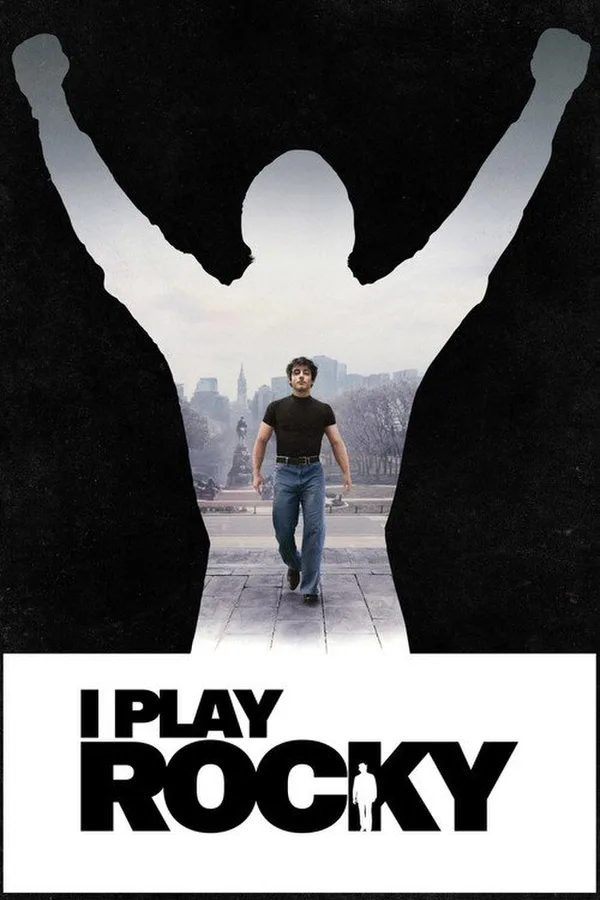
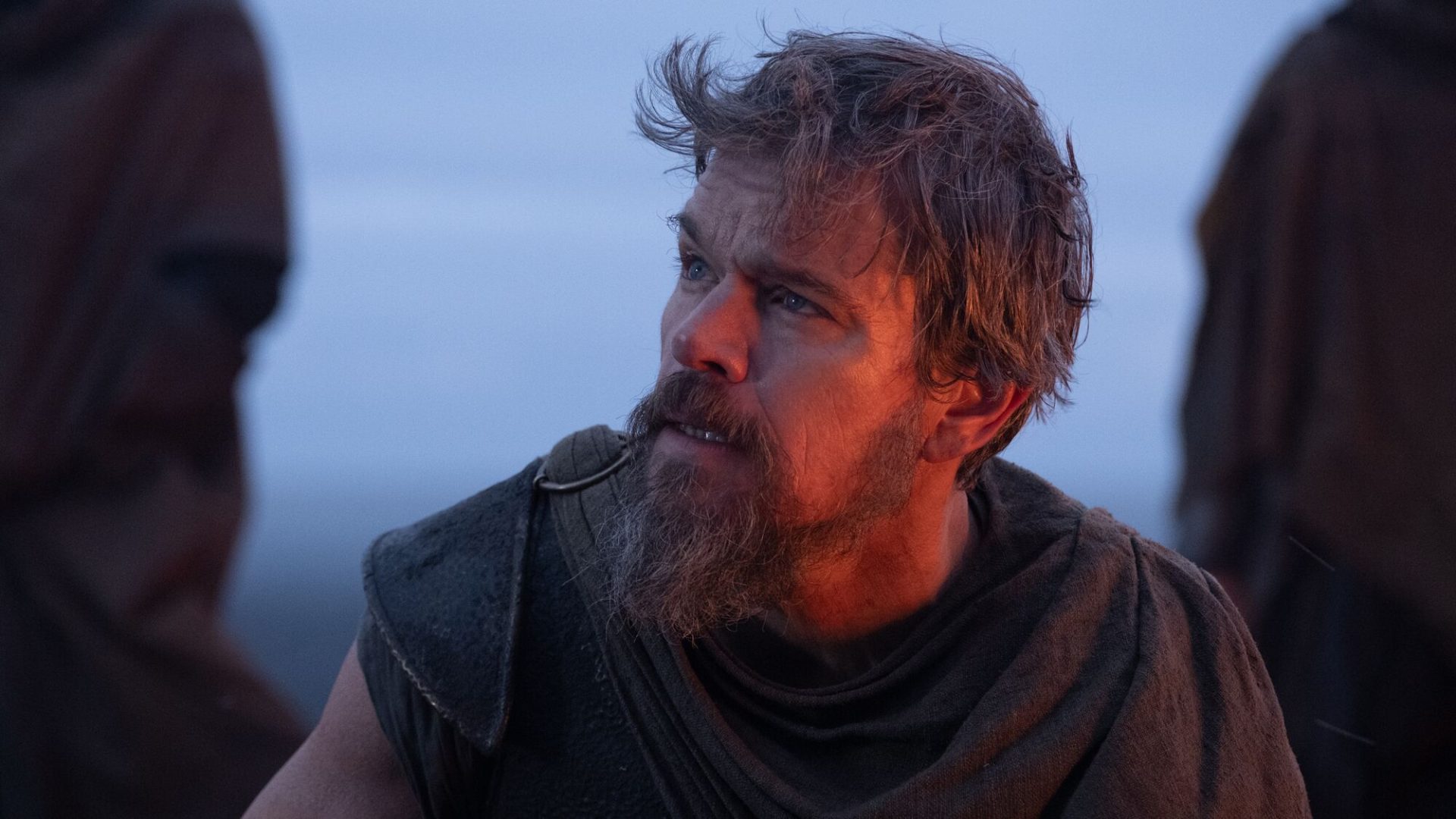
Amazon MGM has released a new trailer for I Play Rocky, starring Anthony Ippolito as a young Sylvester Stallone trying to get Rocky made with himself in the lead. Peter Farrelly directs, with Matt Dillon, AnnaSophia Robb and Tracy Letts among the cast. It opens in select theaters November 6, with a wider release later that month. The underdog story now has an underdog story about getting the underdog story financed.
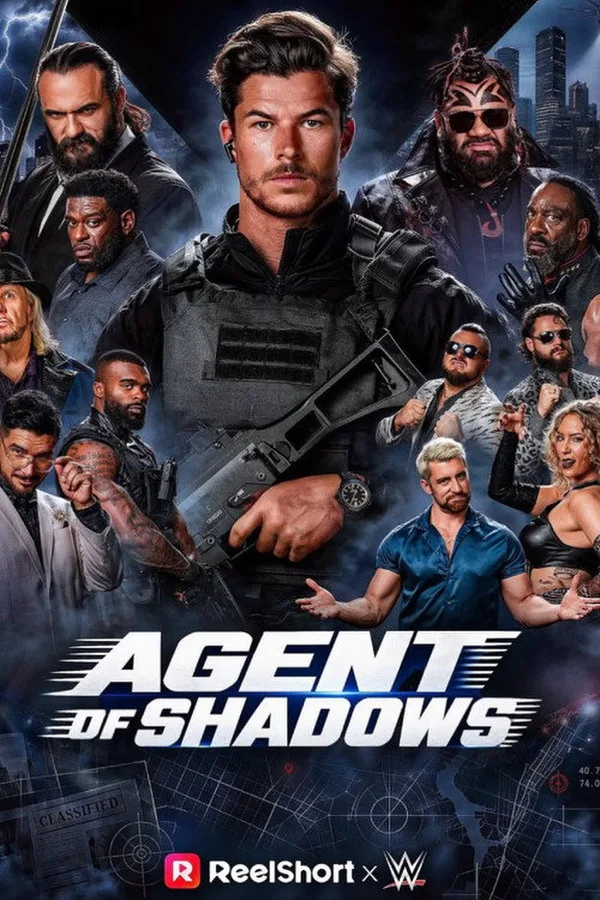
Drew McIntyre, Joe Hendry and Jacob Fatu appear in Agent of Shadows, a new ReelShort microdrama alongside Marc Herrmann and Chase Mattson. Its secret-agent dad has to pose as his daughter’s nanny while protecting his family and keeping his identity hidden. WWE’s announcement includes a behind-the-scenes look at the mobile-first series. Wrestling’s existing expertise in elaborate family problems should transfer nicely.
NBC’s November 3 election plan includes an upgraded, dual-screen Big Board and the return of Kornacki Cam, beginning at 4:30 p.m. Central. The continuous stream will be available through NBCNews.com, the NBC News app, YouTube and other social platforms; Peacock is adding a multiview combining news coverage, Kornacki and a results board. The khakis now have a control room.
Sources checked October 26. Image credits: featured radhog artwork, Bethesda Softworks, via Shacknews; Liberty Day craft materials, Arrowhead Game Studios / Sony Interactive Entertainment, via PlayStation Blog; I Play Rocky still, Amazon MGM Studios, via About Amazon. Official trailers: Bethesda Softworks and Amazon MGM Studios.
October 25: Windows XP turns 25, Iapetus marks 355 years since its discovery, and three bonus facts visit early gaming, Alabama, and… Read more
a few things worth knowing · sunday, october 25, 2026
Windows XP is old enough to have opinions about the next generation of computers. One of Saturn’s moons has been keeping two very different faces for considerably longer. Welcome to a few things worth knowing: a daily handful of curious facts, starting with what actually happened on this date, then wandering off somewhere useful.
today in history: october 25
1. windows xp turns 25, and regis was there
Microsoft made Windows XP available worldwide on October 25, 2001. The New York launch included Bill Gates, an appearance by Regis Philbin, and a Microsoft-sponsored Sting concert in Bryant Park. An operating-system launch with a daytime-TV personality and a pop star feels like an artifact from a different civilization. It was also only 25 years ago, which is rude.
The letters stood for “Experience,” according to the Computer History Museum. XP also brought Microsoft’s NT architecture to its consumer Windows line. Behind the friendly name was a substantial change to the machinery. Microsoft’s launch announcement · Computer History Museum.
2. saturn’s two-tone moon has a 355-year discovery anniversary
Giovanni Cassini discovered Iapetus on October 25, 1671. The moon’s leading hemisphere is strikingly dark, while much of its trailing hemisphere is bright. In the Cassini spacecraft views at the top of this post, those are two sides of the same moon, not a before-and-after cleaning demonstration.
The contrast is so strong that NASA compares the dark terrain to charcoal and the bright terrain to snow. Iapetus supplies an unusually literal answer to “have you tried looking at it from the other side?” NASA’s Iapetus overview · The two-hemisphere image explained.
three more for the collection
These next three are bonus facts, not October 25 anniversaries. The calendar has done its part.
3. an early tennis game let you change planets
Tennis for Two debuted at Brookhaven National Laboratory on October 18, 1958, using an analog computer and a five-inch oscilloscope screen. The photograph shows that original setup. The 1959 upgrade added a larger display and a delightful option: tennis with the Moon’s low gravity or Jupiter’s high gravity.
Before home consoles became ordinary furniture, somebody had already decided Earth tennis needed additional settings. Calling it the unquestioned “first video game” would start an argument; Brookhaven itself explains why that title is complicated. Planetary tennis is plenty impressive without it. Brookhaven’s history of Tennis for Two.
4. alabama’s famous meteorite took the indoor route
On November 30, 1954, a meteorite came through the roof of a house near Sylacauga, bounced off a console radio, and struck Ann Hodges while she was napping on a couch. The Alabama Museum of Natural History preserves both the meteorite and the radio.
That second object is a particularly good museum detail: a piece of ordinary living-room furniture that became part of an astronomical event. The rock did not merely arrive in Alabama. It made a connection. The museum’s account · Its exhibits.
5. the first pride flags had eight stripes
The original rainbow flags flown in San Francisco in 1978 had eight colors, including pink and turquoise. Gilbert Baker helped create them with Lynn Segerblom, James McNamara, and volunteers. The familiar symbol has a collaborative history, right down to the making.
Fallout’s reality-show vault gets a date, Mouthwashing heads to Xbox, Windows rings your missing phone, and EFF asks for an age-gate paper… Read more
A reality-show vault, a very bad week aboard a spaceship, and a Windows button that might actually be useful. Sunday’s afternoon dispatch:
vault-tec would like you to form an alliance
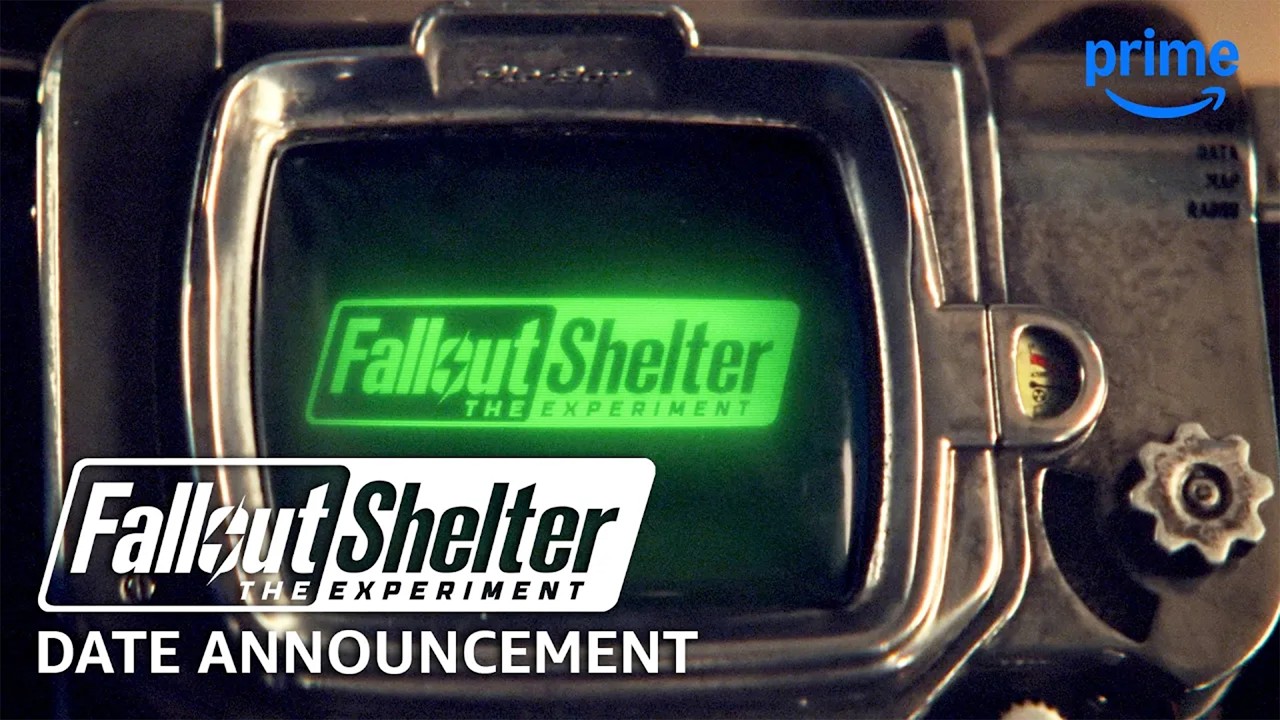
Fallout Shelter: The Experiment has a premiere date: January 13, 2027, on Prime Video. Bethesda’s Fallout Day roundup confirms the competition series will put contestants through escalating challenges for a cash prize, with Amazon, Kilter Films and Studio Lambert behind it. This is the unscripted spinoff, not the next season of the drama. The vault has finally found a use for its confession booth.
Mouthwashing reaches Xbox Series X|S, Xbox One, Xbox on PC and Game Pass on October 29, according to publisher CRITICAL REFLEX; Xbox’s Friday release calendar also lists Thursday’s arrival. Wrong Organ’s psychological horror follows five crew members stranded aboard the freighter Tulpar, with supplies running out and nobody having a particularly healthy time. The news here is the Xbox release, not a new sequel—and a doomed workplace is a fairly efficient Halloween setting.
Microsoft’s October 23 Experimental Insider preview is gradually adding phone controls to Quick Settings: supported Android devices can be rung, switched to Do Not Disturb, or have their ringer mode changed from the PC. It is also testing internet-speed results inside Quick Settings rather than sending you off to a browser. iPhone support starts with a more limited status-focused experience, and none of this is a promise of general availability yet. Still: finding the phone under the couch is a respectable use of a computer.
EFF is asking people to document account losses, failed age checks and other access problems after the Eleventh Circuit reversed or vacated preliminary injunctions blocking Florida and Georgia’s social-media restrictions. Florida’s covered platforms must exclude under-14s and require parental consent for 14- and 15-year-olds; Georgia requires parental consent for under-16s on covered platforms. The litigation is not over, and EFF’s practical request is to save dates, screenshots and the platform’s explanation—not hand over extra sensitive information just to prove there was a problem. An age-check pop-up is considerably less trivial when your whole community is behind it.
Sammy Hajhamid’s Switch 2 writeup gives the reset button its own tiny employee. The human effort still matters. Read more
Sammy Hajhamid’s Switch 2 jailbreak writeup has a very good supporting character: a Bluetooth light-switch gadget whose job is to press the power button after the console crashes.
The software can send controller inputs and receive video. Restarting the physical machine still requires a small appliance to reach over and do the obvious thing. Someone has to work the door.
Bravo’s pocket-sized murder romance, EastEnders’ UK archive channel, a one-player planet, Slayground’s teaser, and PowerToys’ mouse relief. Read more
Sunday, October 25, 2026 · morning briefing
Bravo is shrinking the drama, EastEnders is getting an archive channel, and one platformer has made the entire planet take a number. Also: a haunted attraction with staffing issues and two useful mouse fixes.
bravo has made the drama pocket-sized
Bravo’s October 23 announcement includes its first scripted microdrama, Charmed by a Southern Monster, with Craig Conover and Nicole Mattox leading a romance involving a family estate and a rumored murderer. It premieres November 9 exclusively in the Peacock mobile app; the same announcement orders Next Gen Atlanta and renews Next Gen NYC, Southern Hospitality and In the City. The television is apparently too large for this particular property dispute.
jono has invented the global queue
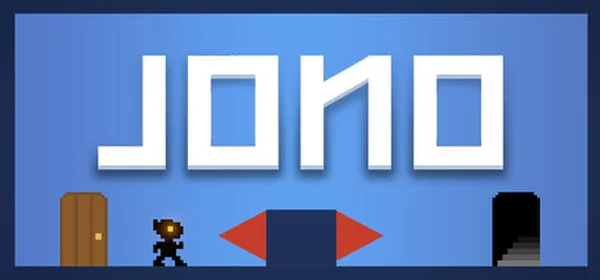
Jono, Part Time Monkey’s free Windows platformer released earlier this month, gives the entire world one character and each player a one-minute turn. Everyone else watches and chats while waiting, and cleared rooms count toward a shared million-room journey. In this week’s developer interview, Tuomas Erikoinen explains how that queue became the game’s social center. Finally, a multiplayer game willing to admit most of the evening is waiting for somebody else.
albert square is getting its own channel, with a geographical catch
UKTV announced eight new free, ad-supported channels on October 21, including EastEnders on U, with a rollout on LG Channels and Freely before the end of the year. The EastEnders selection goes back to the mid-2000s; Casualty and Holby City also get dedicated channels. This is a UK announcement, not a new U.S. streaming option, and no exact launch day is given. Albert Square can now keep arguing while the remote takes the afternoon off.
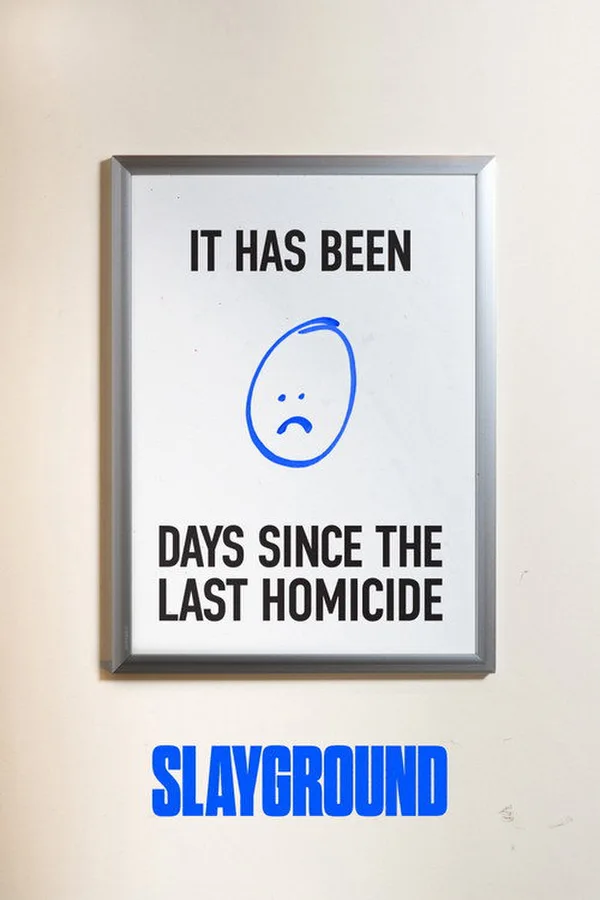
A24 has posted a teaser for Slayground, written and directed by Jeremy Saulnier, with Cory Michael Smith, Chase Sui Wonders and Sophie Wilde among the cast. A scare actor wakes up at his haunted attraction surrounded by dead colleagues and cannot remember how it happened. The official page sets the theatrical release for January 29, 2027, so this is a trailer to inspect, not a Halloween streaming premiere. Seasonal employment continues to offer a concerning benefits package.
Microsoft’s October 21 stable PowerToys release, 0.102.2933.0, adds Mouse Button Lock and CursorHide. The first lets a brief hold keep a mouse button engaged for dragging or selecting until another click; the second hides the pointer while typing or after inactivity, then restores it when moved. There is also a quick-access shelf for pinned Command Palette actions. Sometimes the useful update is simply fewer things to keep holding down.
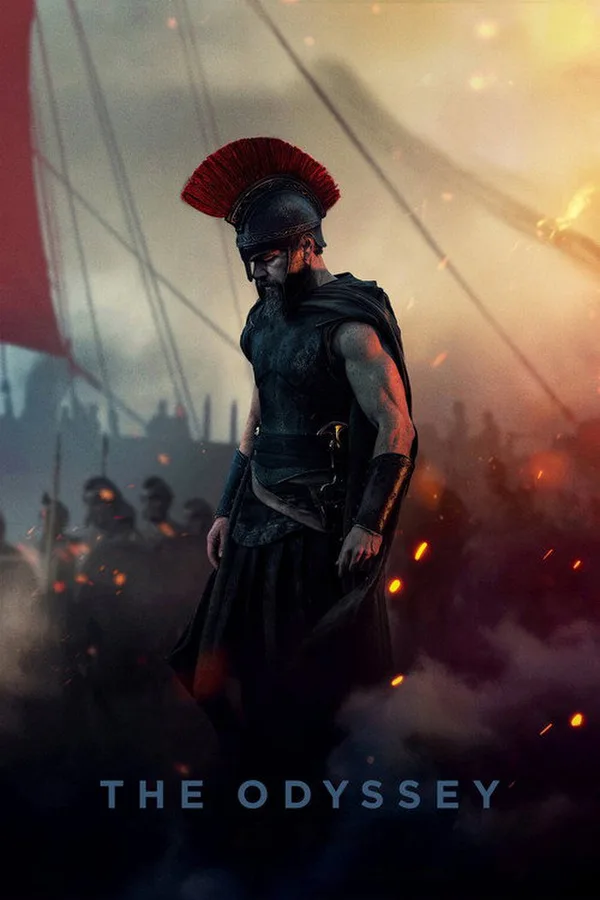
The Odyssey’s paid home release, SteamOS 3.9.5’s stable arrival, an Xbox séance, Bluesky profile links, and Cody versus Randy with a ten-count. Read more
Saturday, October 24, 2026 · afternoon edition
Odysseus reaches the buy button, SteamOS leaves beta, and next week’s séance has made the Xbox calendar. Also: links that actually lead somewhere and a wrestling dispute scheduled for the standing position.
the steam deck has graduated from this particular beta
Valve released SteamOS 3.9.5 to all users on October 23, a concrete step beyond the 3.9.4 beta covered Thursday. The stable update brings Plasma 6.7.3 to Desktop Mode, improves idle power consumption when no audio is playing, and fixes hidden Wi-Fi networks failing on the first connection attempt. Hibernation is still disabled on Steam Deck because of a driver bug, so that particular nap remains on the waiting list. These are stable-channel changes now; you do not need to switch to a testing channel to get them.
the séance has a calendar invite
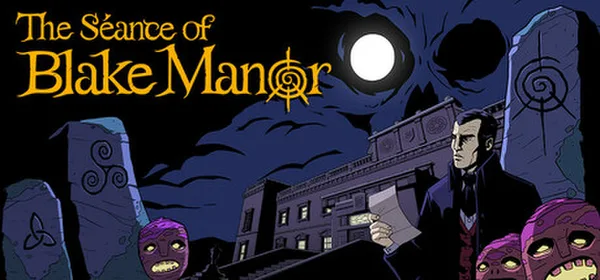
Xbox’s newly posted release calendar confirms The Séance of Blake Manor for October 27, with Game Pass and Xbox Play Anywhere support. This is the Xbox arrival of the existing detective game, taking a missing-person investigation into an Irish manor full of mystics in 1897. Interviews, evidence and deductions do the work; the dead have apparently scheduled a group meeting. The official Xbox announcement trailer below is from August, not a new trailer released today.
Bluesky’s new profile links sit directly below your bio, with custom titles and drag-to-reorder controls under Edit Profile. Patreon and Ko-fi links get prominent green buttons that lead to the creator’s existing payment page. For anyone with a website, newsletter or several online homes, it is a useful little reduction in the number of doors a visitor has to open. Sometimes the feature is letting people leave.
cody and randy have agreed to remain standing, eventually