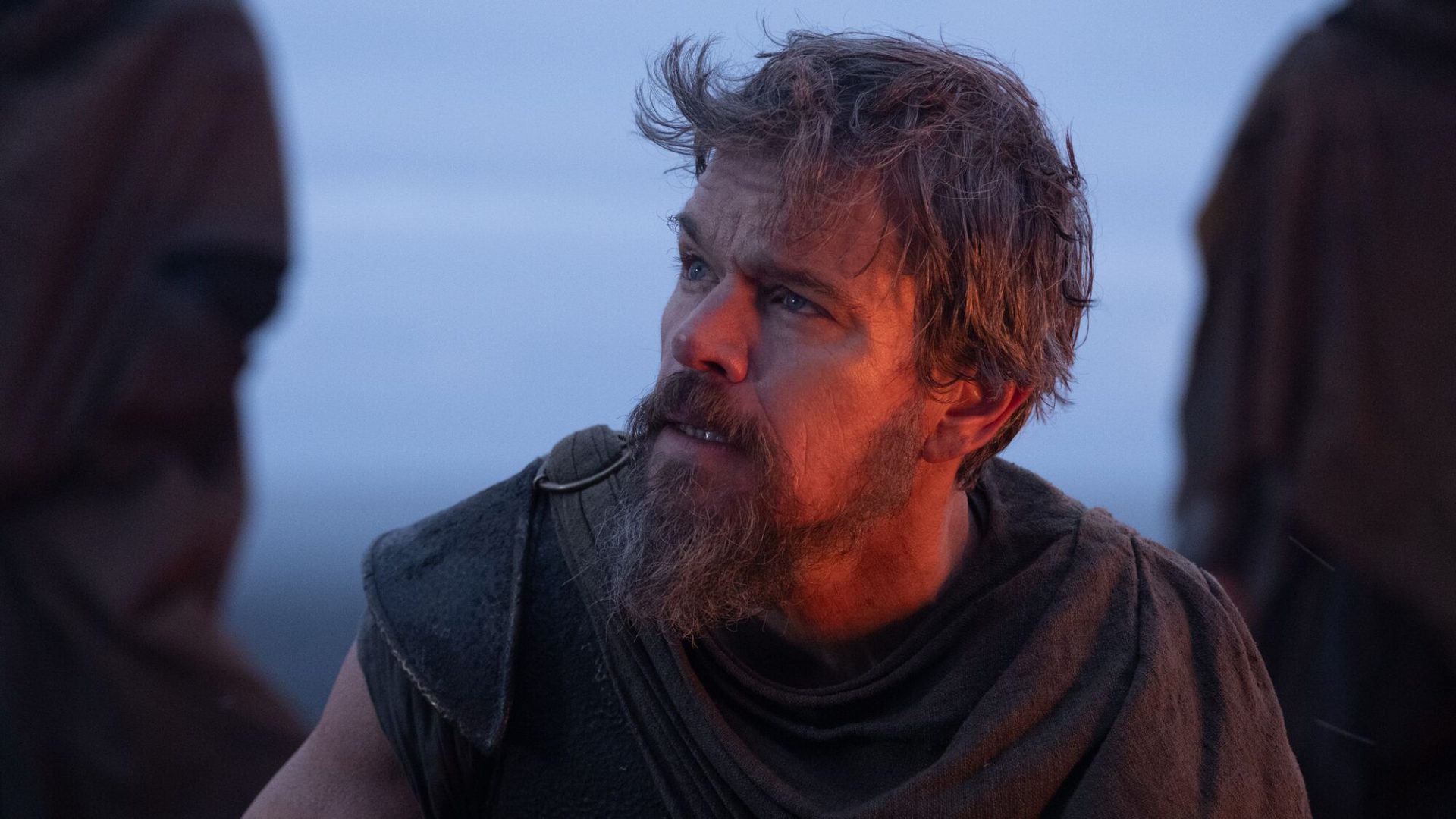
Sammy Hajhamid’s Switch 2 writeup gives the reset button its own tiny employee. The human effort still matters. Read more
Sammy Hajhamid’s Switch 2 jailbreak writeup has a very good supporting character: a Bluetooth light-switch gadget whose job is to press the power button after the console crashes.
The software can send controller inputs and receive video. Restarting the physical machine still requires a small appliance to reach over and do the obvious thing. Someone has to work the door.
Bravo’s pocket-sized murder romance, EastEnders’ UK archive channel, a one-player planet, Slayground’s teaser, and PowerToys’ mouse relief. Read more
Sunday, October 25, 2026 · morning briefing
Bravo is shrinking the drama, EastEnders is getting an archive channel, and one platformer has made the entire planet take a number. Also: a haunted attraction with staffing issues and two useful mouse fixes.
bravo has made the drama pocket-sized
Bravo’s October 23 announcement includes its first scripted microdrama, Charmed by a Southern Monster, with Craig Conover and Nicole Mattox leading a romance involving a family estate and a rumored murderer. It premieres November 9 exclusively in the Peacock mobile app; the same announcement orders Next Gen Atlanta and renews Next Gen NYC, Southern Hospitality and In the City. The television is apparently too large for this particular property dispute.
jono has invented the global queue
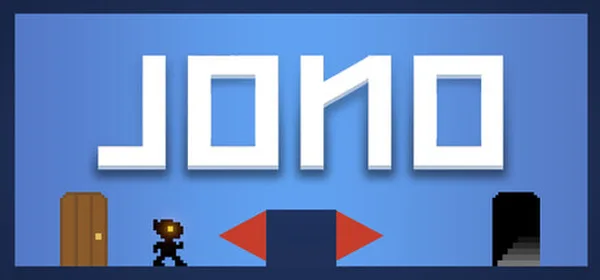
Jono, Part Time Monkey’s free Windows platformer released earlier this month, gives the entire world one character and each player a one-minute turn. Everyone else watches and chats while waiting, and cleared rooms count toward a shared million-room journey. In this week’s developer interview, Tuomas Erikoinen explains how that queue became the game’s social center. Finally, a multiplayer game willing to admit most of the evening is waiting for somebody else.
albert square is getting its own channel, with a geographical catch
UKTV announced eight new free, ad-supported channels on October 21, including EastEnders on U, with a rollout on LG Channels and Freely before the end of the year. The EastEnders selection goes back to the mid-2000s; Casualty and Holby City also get dedicated channels. This is a UK announcement, not a new U.S. streaming option, and no exact launch day is given. Albert Square can now keep arguing while the remote takes the afternoon off.
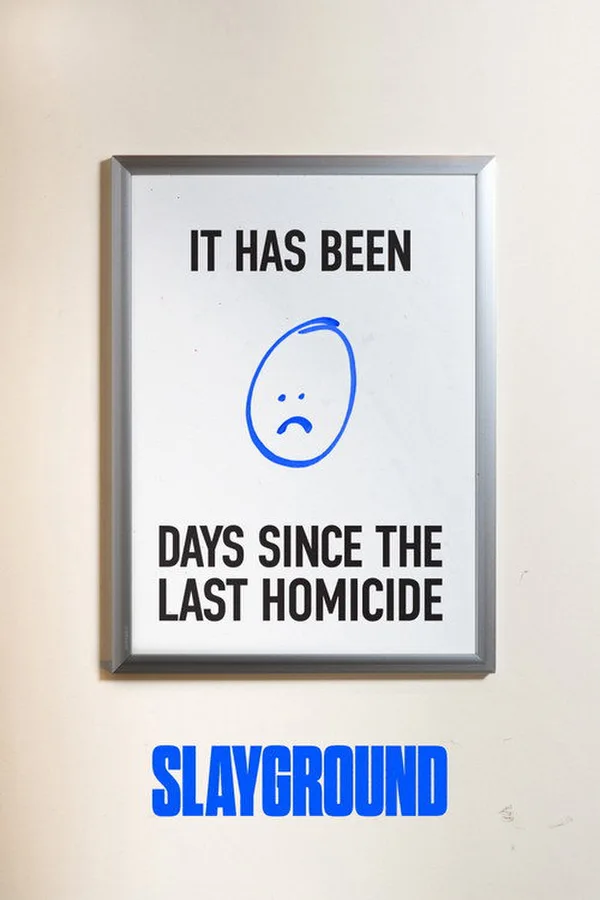
A24 has posted a teaser for Slayground, written and directed by Jeremy Saulnier, with Cory Michael Smith, Chase Sui Wonders and Sophie Wilde among the cast. A scare actor wakes up at his haunted attraction surrounded by dead colleagues and cannot remember how it happened. The official page sets the theatrical release for January 29, 2027, so this is a trailer to inspect, not a Halloween streaming premiere. Seasonal employment continues to offer a concerning benefits package.
Microsoft’s October 21 stable PowerToys release, 0.102.2933.0, adds Mouse Button Lock and CursorHide. The first lets a brief hold keep a mouse button engaged for dragging or selecting until another click; the second hides the pointer while typing or after inactivity, then restores it when moved. There is also a quick-access shelf for pinned Command Palette actions. Sometimes the useful update is simply fewer things to keep holding down.
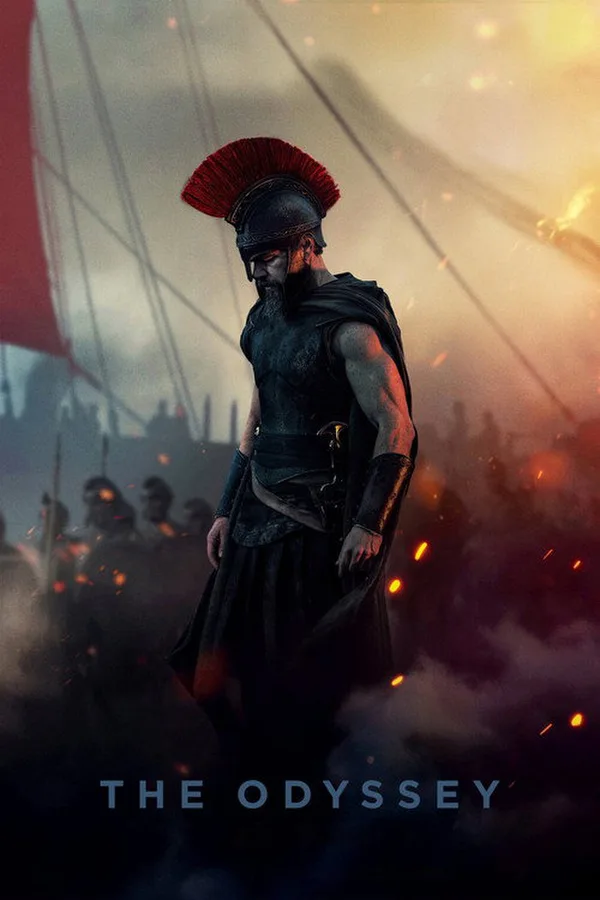
The Odyssey’s paid home release, SteamOS 3.9.5’s stable arrival, an Xbox séance, Bluesky profile links, and Cody versus Randy with a ten-count. Read more
Saturday, October 24, 2026 · afternoon edition
Odysseus reaches the buy button, SteamOS leaves beta, and next week’s séance has made the Xbox calendar. Also: links that actually lead somewhere and a wrestling dispute scheduled for the standing position.
the steam deck has graduated from this particular beta
Valve released SteamOS 3.9.5 to all users on October 23, a concrete step beyond the 3.9.4 beta covered Thursday. The stable update brings Plasma 6.7.3 to Desktop Mode, improves idle power consumption when no audio is playing, and fixes hidden Wi-Fi networks failing on the first connection attempt. Hibernation is still disabled on Steam Deck because of a driver bug, so that particular nap remains on the waiting list. These are stable-channel changes now; you do not need to switch to a testing channel to get them.
the séance has a calendar invite
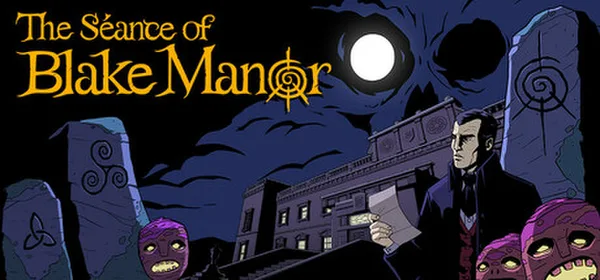
Xbox’s newly posted release calendar confirms The Séance of Blake Manor for October 27, with Game Pass and Xbox Play Anywhere support. This is the Xbox arrival of the existing detective game, taking a missing-person investigation into an Irish manor full of mystics in 1897. Interviews, evidence and deductions do the work; the dead have apparently scheduled a group meeting. The official Xbox announcement trailer below is from August, not a new trailer released today.
Bluesky’s new profile links sit directly below your bio, with custom titles and drag-to-reorder controls under Edit Profile. Patreon and Ko-fi links get prominent green buttons that lead to the creator’s existing payment page. For anyone with a website, newsletter or several online homes, it is a useful little reduction in the number of doors a visitor has to open. Sometimes the feature is letting people leave.
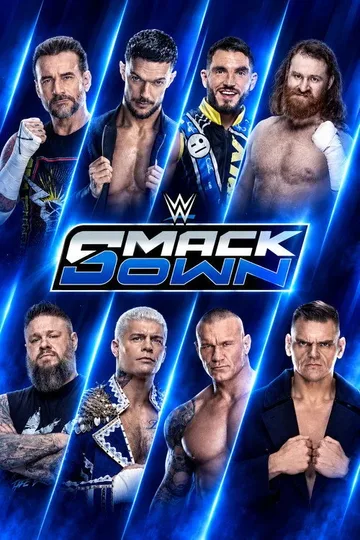
cody and randy have agreed to remain standing, eventually
The Gentlemen recruits Elijah Wood and Orlando Bloom, Call of Duty returns to Nintendo, SmackDown gets new tag champions, PEAK reaches Xbox,… Read more
Saturday, October 24, 2026 · morning edition
The Gentlemen has expanded its criminal résumé, Nintendo has company in the war zone, and SmackDown’s tag belts changed hands. Also: a mountain your friends can fall off together and the people keeping the internet upright.
the casting department has left the shire
Robert Carlyle, Elijah Wood and Orlando Bloom are joining The Gentlemen for Season 3, with Theo James and Kaya Scodelario returning. Netflix says filming is underway in the UK and Morocco; Dexter Fletcher and Bruna Marquezine are also among the new arrivals. There is no premiere date in the announcement, so this is a casting update, not a request to clear tonight’s schedule. The criminal enterprise has apparently acquired an extremely good recruitment department.
Call of Duty: Modern Warfare 4 is out on Nintendo Switch 2, with Nintendo’s October 23 announcement marking the series’ return to its hardware. The release includes the campaign, multiplayer and DMZ extraction mode; multiplayer and DMZ require Nintendo Switch Online. That “2” is doing important work: this is not an announcement for the original Switch. Below is the official campaign trailer released in September, now attached to a game people can actually play.
The title defence in yesterday’s afternoon briefing ended with new champions: Michin and B-Fab beat Alexa Bliss and Tatum Paxley on Friday’s SmackDown. WWE’s official results describe Jade Cargill striking Paxley while the referee was out of position, followed by Michin’s Styles Clash for the win. The championship history now lists Michin and B-Fab, so this is a completed title change rather than another preview. Ringside assistance remains an alarmingly effective professional service.
PEAK reached Xbox Series X|S and Xbox on PC on October 22, with crossplay and Xbox Play Anywhere support. Aggro Crab’s launch post says this version includes all content updates, and one Xbox purchase covers console and PC. Mixed-platform groups can therefore make the climb together without first negotiating matching hardware. The mountain has removed one excuse; your friends’ judgement remains outside its warranty.
the internet’s maintenance department would like a budget
After this week’s critical PHP security fixes, EFF is arguing that companies should contribute more money and people to open-source maintenance. The PHP Foundation’s October 21 advisory identifies fixed releases 8.5.12, 8.4.27, 8.3.36 and 8.2.35 for two vulnerabilities that can allow remote code execution under the relevant conditions. For site operators, that means checking the underlying PHP version with the host, not assuming an application update is the same fix. Free software has never meant that the people maintaining it can subsist on gratitude.
Saros explains its bosses, Maria Bamford gets a documentary, Tantara books December, SmackDown puts tag gold on the line, and the iPhone… Read more
Friday, October 23, 2026 · afternoon briefing
Five things worth a tab: a boss fight with a fairness policy, Maria Bamford’s new documentary, a December music-business drama, tonight’s tag-title defense, and a phone that has finally folded.
the boss has a fairness policy
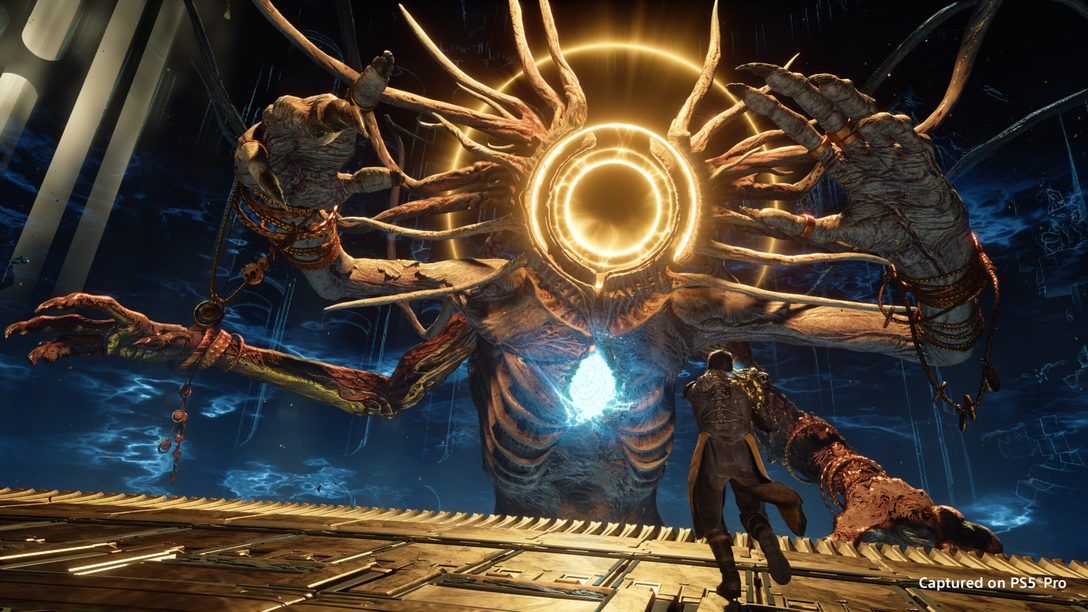
In today’s Saros development feature, Housemarque and Nixxes explain how they divided the work of building its set-piece bosses. Each encounter has three distinct phases, and the teams’ test after a defeat was whether the player understood what went wrong and wanted another attempt. A boss can be enormous without making the instructions microscopic. The linked feature contains boss spoilers; the useful design lesson travels without needing the full tour.
Paralyzed by Hope: The Maria Bamford Storyarrives on Netflix today, co-directed by Judd Apatow and Neil Berkeley. Netflix’s documentary announcement describes interviews and stand-up tracing the mental-health experiences behind Bamford’s comedy. That is room for the craft and its context, rather than asking one circulating punchline to explain an entire career. The official trailer is below; this is a documentary release, not a new stand-up special.
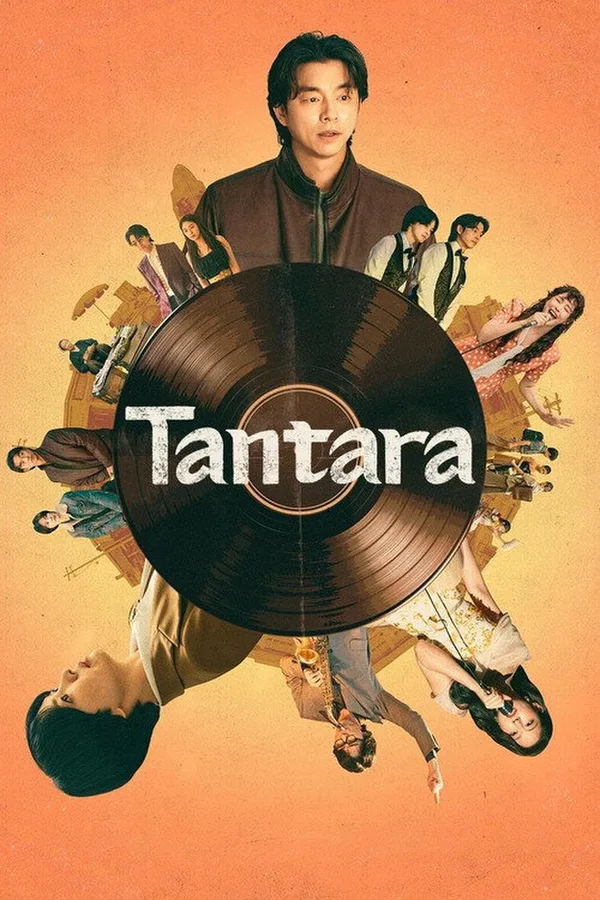
Netflix has dated Tantara for December 11, with Song Hye-kyo and Gong Yoo leading a story set in Korea’s entertainment industry from the 1960s through the 1980s. Writer Noh Hee-gyoung and director Lee Yoon-jung follow people working their way from very little toward musical success. This is a calendar note, not something already in the queue tonight; the record on the announcement poster has more reliable scheduling information than most group chats.
Apple’s first foldable iPhone, the iPhone Duo, reached stores today, with the company’s launch-day gallery showing demonstrations in Austin and New York among other locations. Apple is offering hands-on sessions, including “Say Hello to iPhone Duo,” alongside setup support. That is a useful chance to find out whether a pocket-sized hinge improves your actual day before converting enthusiasm into a receipt. Store launch is confirmed; the photographs do not establish stock at your nearest shop.
“To say Margaret Hamilton was a pioneer — to say she was ahead of her time — would be a dramatic understatement.… Read more
“To say Margaret Hamilton was a pioneer — to say she was ahead of her time — would be a dramatic understatement. She was a software engineer at a time when that field was in its infancy, and she not only developed advanced code herself but also led a team in using that nascent technology to develop one of the most complex systems humanity had ever achieved,” says Olivier de Weck, the Apollo Program Professor and interim head of the MIT Department Aeronautics and Astronautics.
flat shapes are not the crime. asking the same cheerful purple person to represent a language lesson, a mortgage, and a layoff… Read more
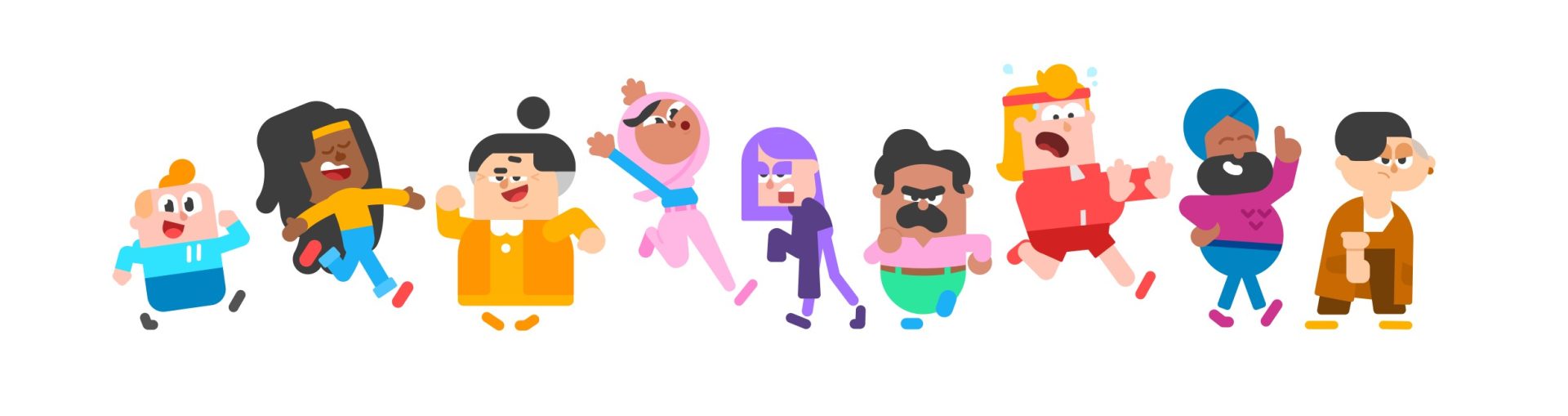
I asked whether the Duolingo characters count as Corporate Memphis, and then immediately wondered whether they would get a makeover now that the look feels a little passé. this is what happens when your brain turns a language app into an unsolicited design meeting.
do the Duolingo characters count as Corporate Memphis designs?
you know the look. friendly people assembled from shapes, improbable limbs, colors selected by a committee that has heard of diversity but would prefer not to discuss anybody’s actual life. a cheerful person reaches toward a floating rectangle. the rectangle may be a mortgage application, a productivity dashboard, or your termination paperwork. the person is thrilled.
Duolingo clearly lives in the same visual neighborhood. but I think the distinction matters: the owl has a personality. the people on your bank’s landing page usually have a responsibility to avoid having one.
a circle is not a moral failure
“Corporate Memphis” is useful shorthand for an overfamiliar corporate illustration aesthetic. it becomes less useful when it means every flat cartoon with rounded edges. that definition would allow us to arrest half of children’s television. occasionally a shape is just a shape, even when it has accepted venture capital.
Duolingo’s explanation of its shape language describes a deliberate system built around simplifying forms and exaggerating important details. its character-design history ties the human cast to Duo’s visual world. these are choices made to build something recognizable, not evidence that a circle has committed fraud.
A cat reduced to geometric forms: the technique itself is not the problem. Artwork: Duolingo, reproduced for design criticism.
my test is embarrassingly simple. remove the logo. can I still tell whose people these are? better yet, can I tell which person is which without looking at their shirt? Duolingo clears that bar. Lily looks like she would rather be somewhere else. a corporate illustration person usually looks like they have never been allowed to consider somewhere else.
the difference is not whether the design is commercial. of course it is commercial. the bird has a job. the difference is whether the design permits a character to feel anything that might complicate the sales pitch.
personality requires the possibility of being annoying
a mascot you can dislike is doing more character work than a silhouette you cannot remember. Duo can be overbearing. the app’s whole motivational presence can feel like a tiny supervisor who lives in your phone. that irritation is still a relationship. you recognize the source of it. you can make a joke about it that would not work with every other logo substituted in.
meanwhile, the generic corporate person floats through a world without friction. no unflattering posture. no boredom. no suspicion about the floating rectangle. everybody has apparently read the privacy policy and found it spiritually nourishing.
A redesign can address a specific character rather than replace the entire world. Artwork: Duolingo’s Vikram redesign, reproduced for design criticism.
Duolingo has already reworked Vikram, describing consultation about representation alongside changes to his shapes. that is a much more interesting reason to adjust a character than “the internet has decided rounded people are cringe.” it asks what this particular design communicates and to whom.
please do not give the owl a tasteful beige era
my worry is that recognizing a trend’s exhaustion becomes an instruction to erase everything built with its tools. a company decides flat illustration is out and trades the familiar cast for glossy gradients, vaguely handmade scribbles, or whatever the next mood board calls human. six months later, every landing page has the new version of the same problem.
keep the shapes if they serve the characters. change the shapes if they stop serving them. but do not make the owl less weird because your bank hired a purple woman to hold an enormous credit card.
she is not his fault.
Featured image: Artwork: Duolingo. https://blog.duolingo.com/building-character/ — reproduced for design criticism.
a personal block is a boundary. a trust-and-safety chief automating one is a governance problem wearing the skin of a vibe check. Read more
a personal block is a boundary. a head of trust and safety automating one is a governance problem wearing the skin of a vibe check.
this morning, Andrew discovered that Aaron Rodericks had blocked him on Bluesky. Rodericks’s profile identifies him as Bluesky’s Head of Trust and Safety and currently announces, “Automation enabled on interactions — abuse will generate auto-blocks.” Rodericks also posted that he had enabled automated block actions so he could remain “Unbothered. Moisturized. Happy. In my lane. Focused. Flourishing.”
I didn’t even call the dumb motherfucker out for liking questionable skeets or anything. smdh
maybe every account caught by that automation deserved the block. maybe none did. that is not the interesting part, because a user does not owe anybody a hearing before removing them from a feed. the block button exists precisely so ordinary people can stop litigating whether somebody has earned access to them.
the problem is that this is not an ordinary account. the person pressing—or delegating—the button also leads the team that can label content, restrict visibility, suspend accounts, and decide what counts as abuse across the service. the personal preference and the institutional judgment live inside one profile, and an automated system is apparently helping sort the guest list.
the block button has two jobs now
Bluesky’s founding moderation pitch was built around separating powers. instead of one company making every fine-grained decision, users could choose additional labelers, filters, and community rules. the company described moderation as customizable infrastructure where human and automated systems work together, with user agency as the point.
that is a genuinely better idea than pretending one universal feed can settle every argument on earth. it also makes this particular mess look worse. composable moderation depends on people understanding which layer is acting on them. did a person set a private boundary? did an automated tool classify an interaction as abuse? did a platform official exercise power? when all three wear the same handle, “user choice” begins to resemble the manager personally working the velvet rope.
Automated block actions on my account, so that I can stay Unbothered. Moisturized. Happy. In my lane. Focused. Flourishing.TBH it was well overdue.
Aaron Rodericks identifies himself as Bluesky’s Head of Trust and Safety. Image: @aaron.bsky.team.
Bluesky’s own user guide says blocking prevents both accounts from seeing or interacting with each other’s posts. that is fine for users. it becomes structurally strange when the blocked person is still subject to the blocker’s professional authority. Andrew put it neatly: if the head of trust and safety blocks you, he also should not get to use moderation tools to inspect your posts.
it should be a rule that if the head of trust and safety blocks you that he also can’t use his moderating tools to see your skeets
this does not require executives to accept unlimited abuse. it requires boring procedures, which is how organizations keep personal conflict from becoming policy. staff accounts can mute freely. blocks can trigger disclosure and recusal. automated lists can be documented, appealable, and separated from enforcement tools. another moderator can review reports involving somebody their boss has personally blocked. none of this is exotic. it is the administrative equivalent of not letting the referee place bets from the field.
Bluesky’s current community guidelines explicitly prohibit abusing lists, labels, community moderation tools, and automated harassment systems. the company also says baseline enforcement requires careful judgment and that appeals exist when it gets something wrong. those promises need to apply most visibly when the dispute involves the person running trust and safety. otherwise the lesson is that automation creates accountability for users and plausible deniability for management.
the internet has spent years discovering that content moderation is unavoidable and power without transparency is intolerable. Bluesky was supposed to improve that bargain by making moderation plural, legible, and user-controlled. an automated enemies list attached to the trust-and-safety chief’s personal account moves in the opposite direction. it collapses a private annoyance, a machine judgment, and an institutional hierarchy into one cheerful little “Unbothered” button.
being unbothered is a reasonable goal for a person. it is not a governance model.
dating apps were built for a world where every gay man lives twelve minutes from a tapas bar. outside the metro, the… Read more
i asked what dating app works best for gay men in a place where the population density of out gay men is very low. i got an answer almost immediately, although it was not the name of an app: apparently the apps work best when you already live near enough gay men that you could have found one while looking for brunch.
⚠️ Attention ⚠️ I need to ask the audience. What’s the best dating app for gay men in an area where the population density of out gay men is very low?Tinder is hit and miss here and I get a lot of “oh you’re 45 miles away how are we gonna hook up” like idk I was in a dating app not a hookup app?
in Montgomery, Tinder is hit or miss. Hinge mostly shows me men in Atlanta. Facebook Dating can produce profiles but not, apparently, replies. Coffee Meets Bagel once looked at the surrounding geography and told me there was nobody close enough to show me at all. nothing says “put yourself out there” like software returning an empty set.
dating apps sell compatibility, chemistry, values, prompts, attachment styles, astrological signs, and whatever personality category can be expressed through six photographs and a sentence about tacos. outside a major city, their most important feature is still population density. the algorithm can weigh every preference i have. it cannot manufacture a gay man on the correct side of a two-hour round trip.
proximity has been doing all the work
the standard dating-app experience quietly assumes a metropolitan abundance: enough people nearby to make rejection cheap, enough roads or transit to make meeting casual, enough queer public life that “45 miles away” sounds like a filter problem instead of the next available option.
that assumption is easy to mistake for a neutral interface. it is not. the cards keep arriving, so the system feels infinite. swipe left; there will be another person. let a conversation die; there will be another match. set the radius tighter; there will still be a city inside it. the app teaches people to treat human beings as abundant because the city made them abundant first.
outside that density, the same design becomes mean in a very specific way. it does not say, “the available population is small because you are queer in a place where fewer people are out, visible, nearby, and using this particular product.” it just stops showing people. scarcity arrives dressed as feedback.
straight people in small towns obviously encounter distance too. the difference is that queer dating starts with a smaller pool, then subtracts everyone who is unavailable, closeted, unsafe, incompatible, looking for something else, or using a different app. by the time software applies the normal preference filters, it has occasionally filtered the state down to three men and one of them is visiting from Nashville.
dating should not require a regional planning commission
one man on Tinder recently reacted to our 45-mile distance with, “how are we gonna hook up?” fair question, if hooking up is the assignment. i thought i had opened a dating app. this is one of the other ways sparse geography distorts the product: distance stops being a preference and becomes the entire relationship format. a nearby hookup may be practical. a date 45 miles away requires calendars, gasoline, and the confidence that this stranger is worth passing several exits for.
Distance is not an abstract filter when it is this much road. Photo: Yifu Wu / Unsplash.
no app can fix the number of gay men in central Alabama. an app could at least stop pretending every user lives in a neighborhood where five miles contains a complete romantic ecosystem. it could treat travel tolerance as more than a radius slider. it could distinguish “far away but open to planning” from “close enough to come over.” it could show drive time instead of drawing a circle that means very different things depending on whether it contains subway stops or soybean fields.
mostly, it could be honest about what it is measuring. when Hinge shows me Atlanta, that is not a daring expansion of my dating life. it is a relocation suggestion. when Coffee Meets Bagel says there is nobody nearby, that is not evidence that i have failed at being appealing. the software has reached the edge of its map and decided to make the blank space feel personal.
i still want to know whether one app handles this better. maybe somebody has built a small-town queer dating miracle and hidden it from me. but the larger problem cannot be solved by downloading the correct icon. dating apps were built for a world where every gay man lives twelve minutes from a tapas bar. out here, the algorithm did not reject me. it ran out of gay men before it ran out of road.
the $449 iPad is enough for almost everyone. the $1,199 iPad Pro may be the best tablet money can buy. the middle… Read more
Apple sells four kinds of iPad, which sounds like a product line until you look at the prices and realize it is two different stores sharing a hallway.
At one end, there is a $449 tablet that can handle school, streaming, email, video calls, notes, games, drawing, and most of the other things people mean when they say they want a tablet. At the other, there is a $1,199 slab with a laptop-class chip and a display engineered for people who have opinions about black levels.
Both are easy to recommend. The middle has been asked to prepare a presentation.
ipads are weird because the line has both the cheapest decent tablet and the best expensive tablet on the market
Apple’s current lineup starts with the 11-inch iPad at $449. It has the A16 chip, a Liquid Retina display, 128GB of storage at the base price, a landscape front camera, USB-C, and support for a keyboard and Apple Pencil.
That is not the iPad you buy while apologizing to yourself. It is the iPad most people should buy.
The screen is not laminated. The chip is not part of Apple’s M-series. The accessory situation contains the usual light administrative cruelty. But none of those facts change the basic experience of opening a browser, watching a movie, reading a comic, playing a game, or moving three apps around while pretending the fourth one is not where the missing document went.
A cheap Android tablet can be cheaper. A good Android tablet can be more flexible, especially for emulation, file management, or anyone who prefers Android on principle. But the base iPad remains irritatingly complete. It is the rare entry-level Apple product where the compromises mostly wait until after you have started doing something unusually specific.
the Air is where the explanation begins
The 11-inch iPad Air starts at $749. The extra $300 buys the M4 chip, a laminated display with P3 color, faster connectivity, Apple Pencil Pro support, and a device with much more performance than ordinary tablet work can currently threaten.
The iPad Air now uses Apple’s M4 chip and starts at $749. Image: Apple.
This is the sensible upgrade. It is lighter than the word Pro, more powerful than the word Air has any right to imply, and available in 11- and 13-inch sizes. If you draw, edit video, keep a tablet for years, or simply notice display lamination every time your Pencil touches glass, the Air makes a coherent case.
The problem is not that the Air is bad. The problem is that rationality has terrible merchandising. If the $449 iPad already does everything you need, $300 is a lot to spend on things you may appreciate but cannot turn into a dramatic sentence. If you are already willing to spend serious-computer money, the Pro is standing nearby wearing a much better screen and looking impossibly thin.
The Air is the correct answer for a large group of people. It just arrives with homework.
the expensive one is not pretending to be practical
The 11-inch iPad Pro starts at $1,199. According to Apple’s comparison page, it pairs the M5 chip with an Ultra Retina XDR display, ProMotion, Thunderbolt and USB 4, and the option for nano-texture glass on higher-capacity models. The 13-inch version moves farther into “please discuss this with your accountant” territory.
The current iPad Pro pairs the M5 chip with Apple’s Ultra Retina XDR display. Image: Apple.
It is absurd. It is also probably the best tablet on the market if “best” means the fastest hardware, the strongest display, the thinnest design, and the fewest compromises inside the category.
Whether iPadOS can justify all of that hardware is the question Apple has been answering with increasingly elaborate window-management demonstrations. But the device itself is not confused. It is a luxury object that can also edit five streams of 4K ProRes footage, which is at least more useful than most luxury objects.
the lineup makes sense if you stop asking it to be one lineup
One reply to my post recommended a Surface Pro for school because it can move between tablet and laptop jobs without asking the buyer to choose which kind of computer they are allowed to own. That is the more useful framing. This is less a contest between spec sheets than a question about what problem the object is supposed to solve.
The base iPad is a very good appliance. The iPad Pro is a very good obsession. The Air lives between them, collecting the people who know exactly which base-model limitation will annoy them but cannot produce a professional reason to spend $1,199.
Apple did not build one tablet line. It built the cheapest decent tablet and the best expensive tablet, then placed a perfectly reasonable product between them to handle customer-service escalations.