CHANNEL ARCHIVE

history

Dispatches, commentary, and media logs from the open web.

  • perkin warbeck chose a very inconvenient family to impersonate

    perkin warbeck chose a very inconvenient family to impersonate

    A fake prince and a real earl ended up in the Tower of London. The identity confusion is complicated. Henry VII’s solution… Read more

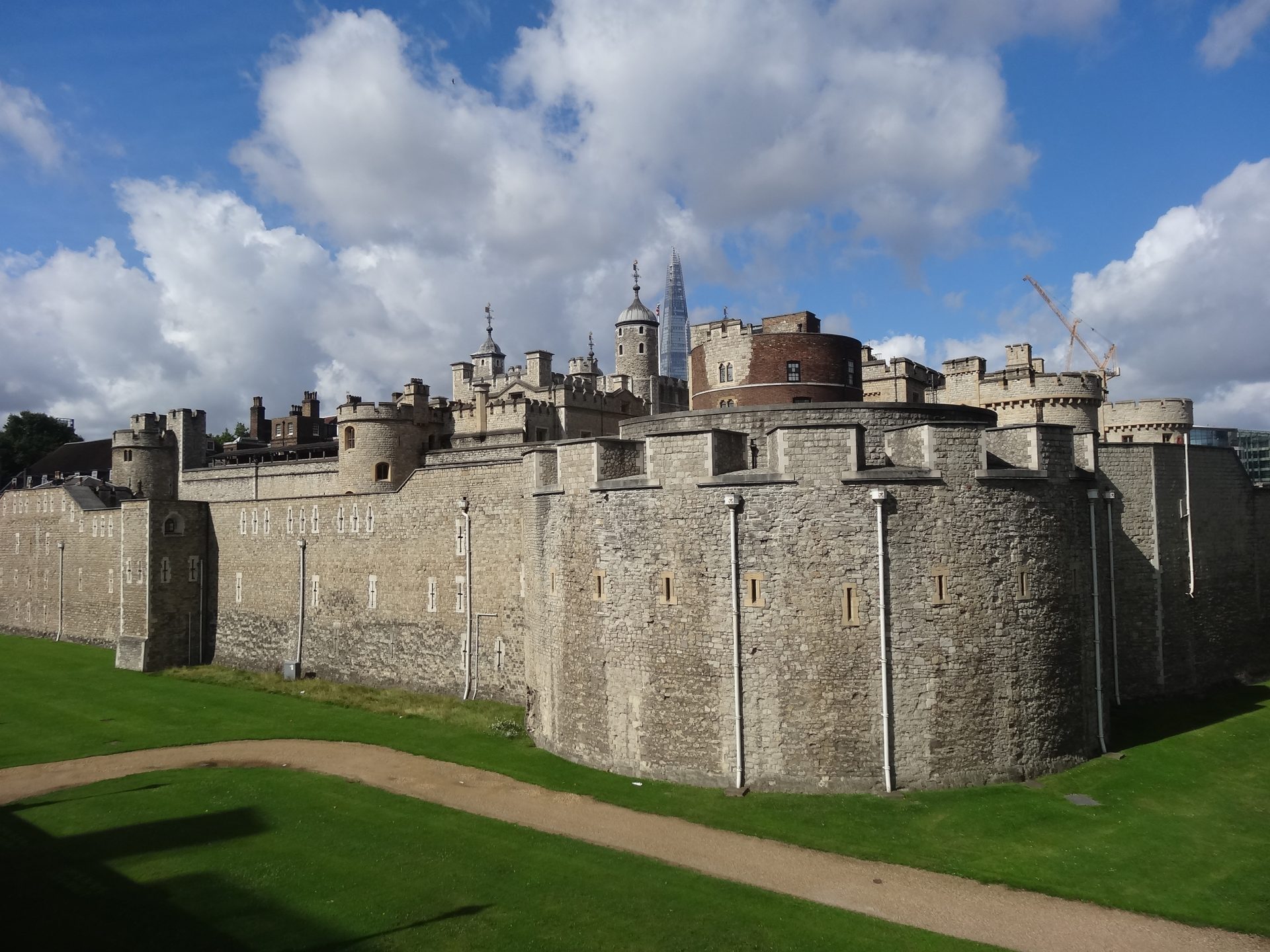
    By 1499, the Tower of London held Perkin Warbeck, who had spent years claiming to be a missing prince, and Edward, Earl of Warwick, whose royal relatives were unfortunately real. Both would be executed that November. Henry VII had found a problem with each man’s family tree and selected the same general solution.

    There is a particularly nasty irony here, but first we need the correct Edward. Tudor history contains enough interchangeable names to qualify as a password-security incident.

    please select a prince

    Drawing of Perkin Warbeck with shoulder-length hair and a folded cap, attributed to Jacques Le Boucq.

    Warbeck’s claim was that he was Richard of Shrewsbury, Duke of York, the younger of the Princes in the Tower. Richard and his brother Edward V had disappeared from public view in 1483. Their fate remains disputed, which left a useful opening for someone announcing that one of them had survived.

    Warbeck took that opening international. Important backers included Margaret of York, the real Richard’s aunt, and James IV of Scotland. A disputed identity becomes considerably more dangerous when foreign rulers are willing to fund the argument. Historic Royal Palaces traces his claim and the unresolved mystery behind it.

    Warwick was a different person: the son of George, Duke of Clarence, and a nephew of Edward IV. That made him the missing princes’ cousin. Early in Warbeck’s Irish adventures, people identified him as Warwick, then as an illegitimate son of Richard III. According to historian Hannes Kleineke, Warbeck denied both identities before adopting Richard’s. The names were being workshopped, apparently.

    the genuine article was also a problem

    The pretender who actually impersonated Warwick was Lambert Simnel. In 1487, Henry had the real Warwick taken out of the Tower and displayed publicly, including at St Paul’s, to demonstrate that the supposed escaped earl was still in his custody. The historical account describes this brief appearance before Warwick returned to imprisonment.

    Imagine being brought out as the official correction to somebody else’s identity fraud, then locked up again because your authentic identity is also inconvenient. Warwick’s family connections made him useful to Henry’s enemies whether he wanted the job or not.

    Warbeck arrived by a more circuitous route: failed military ventures, surrender in 1497, and an initial period of relatively lenient custody. After an escape attempt, Henry confined him in the Tower. The career change from royal claimant to royal prisoner was now complete. Kleineke’s account follows the collapse of the campaign.

    Henry Marriott Paget's 1884 imagined scene of Perkin Warbeck standing in a pillory above a crowd, with an official reading beside him.

    two prisoners, two executions

    In 1499, Warbeck and Warwick were implicated in an alleged escape conspiracy. Warwick was also accused of plotting to depose Henry. The evidence and political motives deserve more caution than a neat adventure story allows: this was a prosecution controlled by the king whose rivals were conveniently on trial. Conor Byrne’s account questions the evidence against Warwick.

    Warbeck was hanged at Tyburn on November 23, 1499. Warwick was beheaded at Tower Hill on November 28. They were not executed together, and Warwick was not the prince Warbeck claimed to be. Their linked downfall was still brutally efficient. Warbeck’s execution; Warwick’s execution.

    The final insult is that Simnel, Warwick’s actual impersonator, survived and entered Henry’s service. The counterfeit got a job. The original spent his youth imprisoned and lost his head.

    Warbeck tried to become royal enough to take the crown. Warwick was born royal enough to threaten it. In Henry VII’s England, either could get you killed.

    image credits

    Featured image: 2017 Exterior of Tower of London, Jordiferrer, CC BY-SA 4.0; displayed at reduced size, otherwise unchanged. Portrait: Perkin Warbeck, attributed to Jacques Le Boucq, Recueil d’Arras, via Wikimedia Commons, public domain. Pillory illustration: Perkin Warbeck in the pillory, Henry Marriott Paget, 1884, via New York Public Library/Wikimedia Commons, public domain; a later imagined scene, not a contemporary depiction. Body images displayed at reduced size, otherwise unchanged.

  • android made an entrance; artoo supplied the voice

    android made an entrance; artoo supplied the voice

    November 5 brings Android’s announcement anniversary, the organizer behind the Gunpowder Plot, and the surprisingly human half of R2-D2. Read more

    A few things worth knowing · November 5, 2026

    A mobile platform’s birthday, a conspiracy with misleading top billing, and the human behind a very opinionated robot.

    on this day: android made the announcement before the apps

    Google’s current green Android robot head with two antennae and black eyes.

    Android™ was announced on November 5, 2007, nineteen years ago today. Google’s Dan Morrill later recalled hearing Andy Rubin and Eric Schmidt introduce it, with the first early-look software development kit still a week away. This anniversary belongs to the platform’s announcement, not the arrival of a finished handset in stores. Even its birthday comes with a version distinction. Source: Android Developers.

    on this day: guy fawkes was not the project manager

    The Gunpowder Plot targeted the opening of Parliament on November 5, 1605, but Robert Catesby was its central organizer. Guy Fawkes was guarding the explosives beneath the House of Lords when the plot was uncovered the night before. He had been posing as a servant under the name John Johnson. History kept the better stage name, while Catesby’s leadership became the part that needs explaining. Source: UK Parliament’s account of the plot and Fawkes biography.

    evergreen: artoo was half synthesizer, half man making noises

    Ben Burtt’s first attempts at R2-D2 sounded too electronic to convey much feeling. The solution was a roughly equal blend of synthesizer sounds and Burtt’s own vocal inflections, giving the droid a performance rather than just a collection of beeps. Chewbacca took the opposite route: Burtt assembled animal recordings, including bears, badgers and walruses, into emotionally organized pieces. One character needed a human; the other needed a small zoo. Source: StarWars.com.

    Burtt explains the Chewbacca process in the official archive interview:

    Image credits: current Android robot artwork, Google, via Android Developers; it is not a 2007 illustration. The Android robot is reproduced or modified from work created and shared by Google and used according to terms described in the Creative Commons 3.0 Attribution License. Artwork unmodified. Android is a trademark of Google LLC. Video: Lucasfilm/Star Wars, linked from its official sound-effects feature.

  • 2

    queer history needs an edit button

    The practical work of keeping queer history findable: sources, translations, pictures and metadata. Read more

    A hand picks up a Wiki Loves Pride sticker from a table of conference stickers and snacks.

    Read Jack Walker’s report on LGBTQ+ Wikipedia editors at Them.

    (more…)
    Fediverse Reactions
  • 2

    the founding fathers did not film a vlog

    Lindsay Chervinsky checks AI history videos for WIRED. A period costume is not a bibliography. Read more

    (more…)
    Fediverse Reactions
  • mario was once a game somebody had to explain

    mario was once a game somebody had to explain

    a game archive that lets the classics be weird new things again. Read more

    there is something useful about reading a review of super mario bros. written before it became a foundational text. somebody had to sit down and explain the little guy. the mushroom kingdom did not arrive with a museum label.

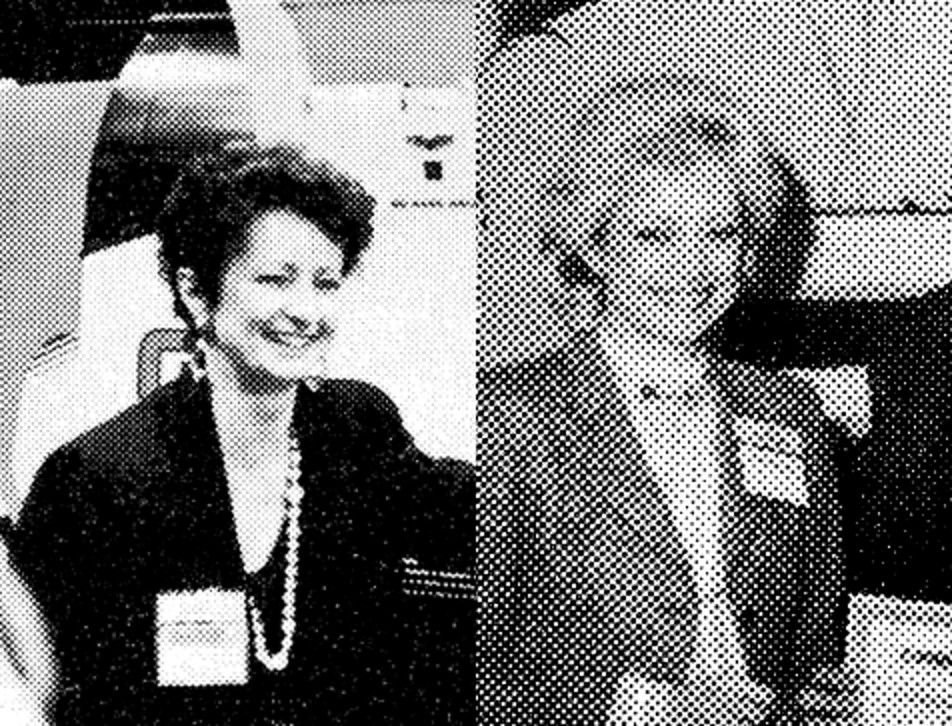
    the video game history foundation’s computer entertainer archive preserves the newsletter’s entire 1982–1990 run, with free access and a creative commons license. co-editors marylou badeaux and celeste dolan were covering games as things people might actually buy, rather than entries in a canon that had already been settled.
    that distance matters. a contemporary review can restore the uncertainty that a retrospective smooths away: what needed explaining, what seemed impressive, what a reader was expected to know. even the photograph of mario on a television makes the game feel like an object in someone’s room again.

    preservation gets more interesting when it keeps the conversation around a game, too. the cartridge tells us what was playable. the newsletter tells us what somebody thought was worth mailing.

    image: archival photographs of co-editors marylou badeaux and celeste dolan, from computer entertainer, june 1987, p. 5, and february 1986, p. 1. scan: video game history foundation, cc by 4.0.

  • 3
    frankenstein used to look like this

    frankenstein used to look like this

    the 1910 monster has a very different silhouette. the library of congress kept him around. Read more

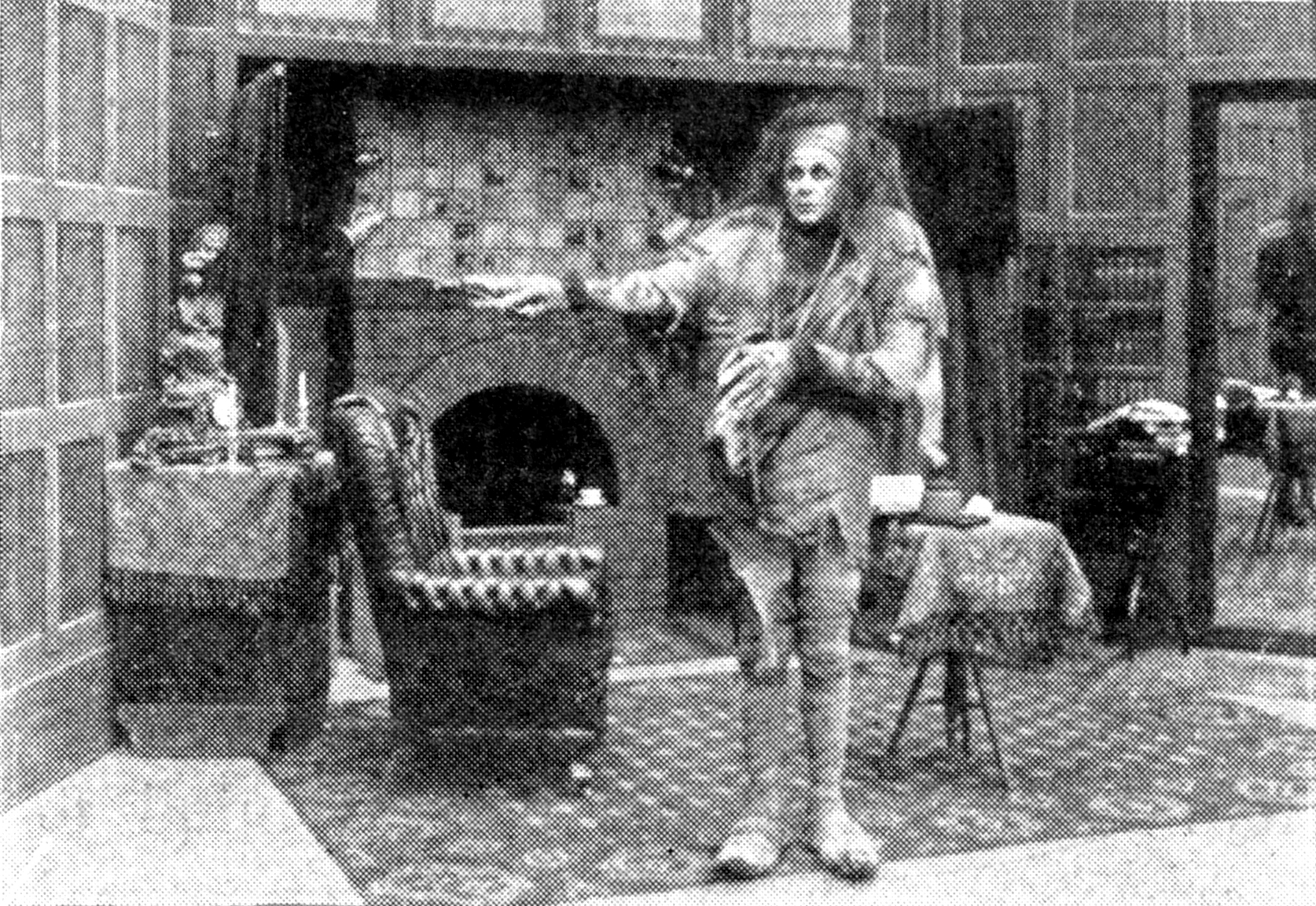
    the monster on this 1910 edison kinetogram cover looks like he has been living inside a chimney. wild hair, long fingers, absolutely no interest in the tidy silhouette that would eventually become halloween shorthand.

    the library of congress restored edison’s frankenstein, the first film adaptation of the novel, in 2018. its account of the work is worth reading alongside the film: a nitrate print, replacement opening credits from another collection, a recreated intertitle, a new score by donald sosin. a film can survive and still need help becoming watchable.

    this is the useful part of going back before an image became definitive. the monster stops being a logo and starts looking like a choice somebody made. another face was possible. another kind of hair was, regrettably, also possible.

    the restoration is available through the library’s linked screening room. a small halloween detour, with the repair work left visible in the explanation.

    image: edison manufacturing company, edison kinetogram, march 15, 1910, via the library of congress. public domain in the united states.

    Fediverse Reactions
  • the marshmallow does not need you to defend its racist name

    the marshmallow does not need you to defend its racist name

    a follow-up to the world’s most racist snack: chocolate, nostalgia, and the people making solidarity purchases on behalf of a confectionery label. Read more

    There are two kinds of posts on this website: the ones I labored over like they were going to be taught in a seminar someday, and the ones where I embed a strange little video with a title that looks like it was generated by a haunted search bar.

    Guess which one Google decided it had opinions about.

    In July, I posted a short video about the chocolate-covered marshmallow treats that have, in different places and at different times, been sold under names built out of racist caricatures. It was mostly a “huh, that is bleak” drive-by. Then it started showing up in the site’s search data next to queries like most racist snack, racist snack name, and the world’s most racist snack. Not huge numbers, exactly, but it is now one of the little site’s more persistent visitors. Apparently this is what the people need from taco ’bout it: snack-based colonial hangovers.

    it’s a marshmallow, not an archival document

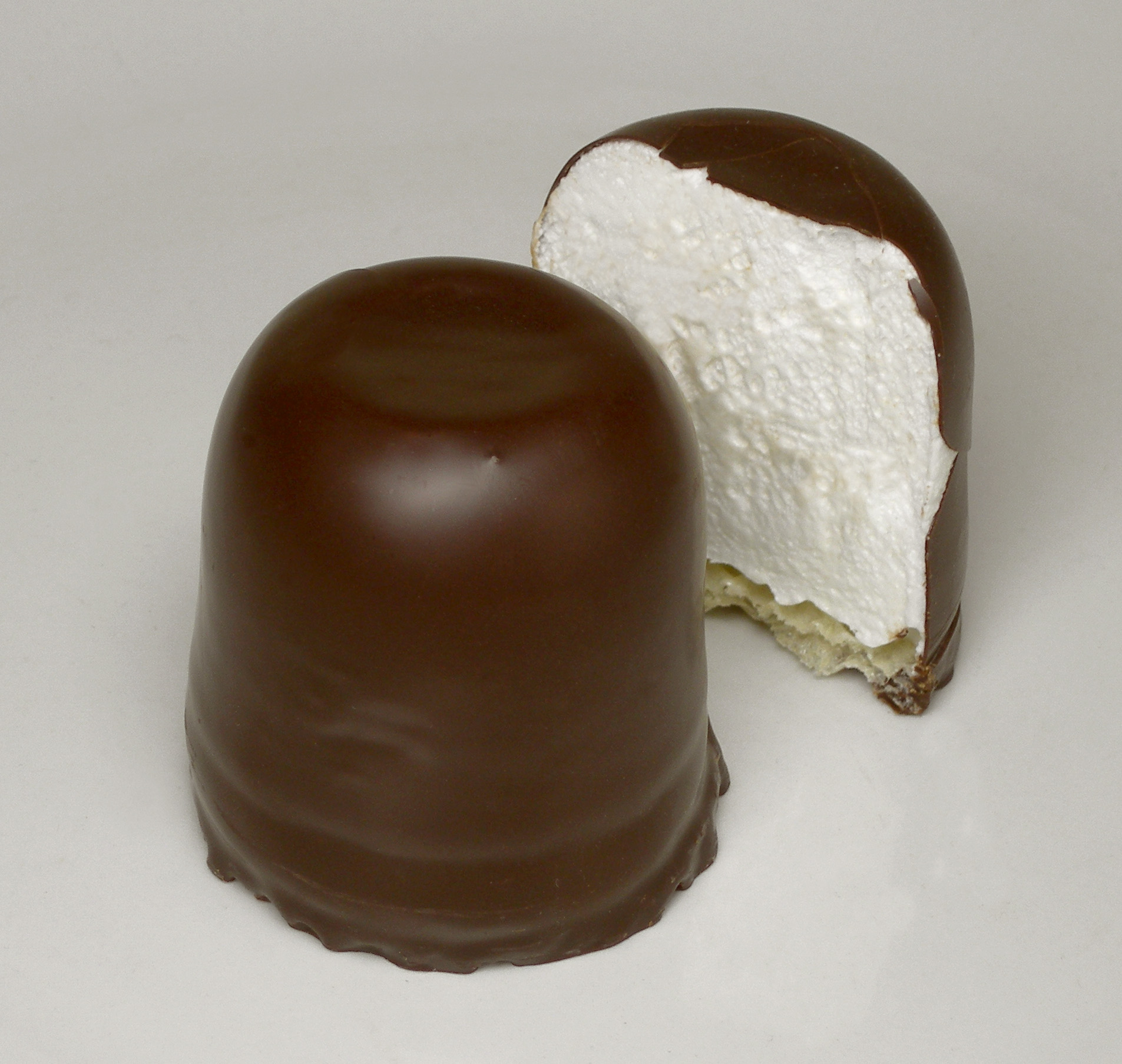
    The treat itself is straightforward: a biscuit or wafer base, a whipped marshmallow-ish center, and a chocolate coating. Depending on where you are, a perfectly normal name exists for it: Schokokuss (“chocolate kiss”), Schaumkuss (“foam kiss”), or simply chocolate-coated marshmallow treat.

    That is why the usual defense of “it’s just tradition” never quite works for me. Tradition is not a force of nature. It is a series of choices that people keep making because nobody has bothered to make a different one. We managed to put a marshmallow on a wafer and enrobe it in chocolate. Surely we can also call it a chocolate kiss without acting like someone has confiscated grandmother’s entire kitchen.

    But the older names that linger in parts of Europe are where it gets ugly. Variants translated to “Moor’s head,” “Negro’s kiss,” and other terms that turn an actual racial category—or an old colonial fantasy of one—into a cute little product description. The point was not just “it’s brown because chocolate.” The imagery attached to those names did the rest: Blackness reduced to a cartoon head, a dark coating, a novelty.

    A chocolate-coated vanilla foam sweet with its white filling and wafer base exposed.
    Photo: Tiia Monto / Wikimedia Commons, CC BY-SA 4.0.

    the weird part is how small the fix is

    No one is asking anyone to stop eating the thing. This is not a campaign against snacks, which would be both doomed and personally offensive to me. It is a request to stop using a name that makes a person’s identity into the punchline and then demanding everybody else treat the discomfort as an overreaction.

    And the replacement names are not even bad. “Chocolate kiss” is kind of sweet. “Foam kiss” has the energy of a discontinued 1980s perfume, but it is still leagues better than making a confectionery aisle reenact colonial racism. The food is the same food. The recipe has not been silenced. Nothing has been erased except the part nobody needed.

    There is a particular kind of nostalgia that mistakes familiarity for innocence. You grew up hearing a word, so it feels harmless; someone else hears the history packed into it, and suddenly the word is political. But it was already political. It just had the advantage of being old enough to pass as décor.

    anyway, congratulations to the algorithm

    So yes: the original video is a weirdly effective little piece of internet detritus. It points at something real, it has a title people are apparently compelled to type into a search engine, and now it has earned itself a follow-up post in which I get to say the obvious part out loud.

    If you want the snack, have the snack. Just call it a snack. We are all capable of surviving a product rename, even if the internet’s search habits suggest we may never stop being fascinated by the phrase “racist marshmallow.”

    Further reading: Swissinfo’s reporting on the Swiss debate and a 2019 study of media responses to the “Mohrenkopf” controversy.

  • 5

    the world’s most racist snack

    Source: YouTube Read more

    Source: YouTube

    Fediverse Reactions
  • 30

    TIL: why it’s ctrl+V

    Larry Tesler, the creator of copy/paste, explains: The Lisa was the first system to assign XCVZ to cut, copy, paste and undo… Read more

    Close up of the C and V keys on a mac laptop.

    Larry Tesler, the creator of copy/paste, explains:

    The Lisa was the first system to assign XCVZ to cut, copy, paste and undo (shifted with the “apple” key). I chose them myself. X was a standard symbol of deletion. C was the first letter of Copy. V was an upside down caret and apparently meant Insert in at least one earlier editor.

    Source: Why is Ctrl-V the Paste shortcut?