
a christmas ghost story has an unfair advantage. everybody already understands what it means to be haunted by an earlier version of the holiday. the room remembers people who no longer sit in it. even the decorations can keep an inconvenient record.

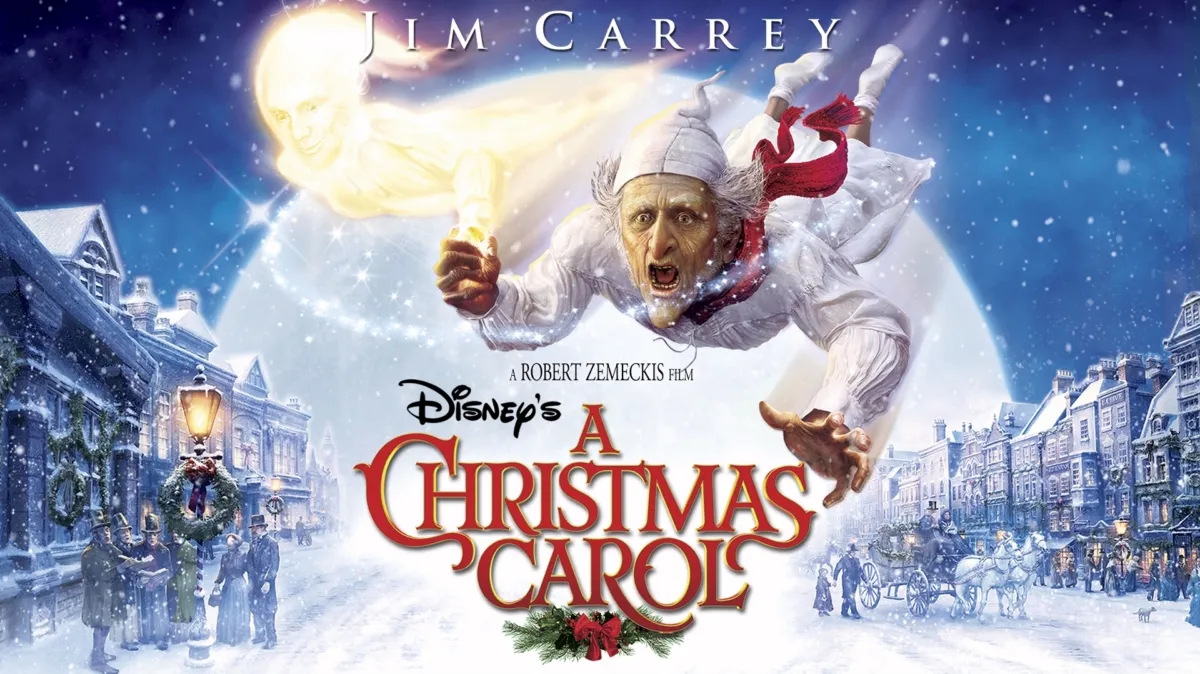
robert zemeckis’s 2009 adaptation puts jim carrey at the centre of dickens’s familiar visitation. scrooge is taken through the past, present and possible future, with the animation giving the journey a restless, sometimes alarming physical scale.

the spectacle can be a lot. there are moments when the machinery threatens to turn a moral reckoning into an attraction that wants to show you how fast it can move. still, this version makes room for the story’s unpleasantness. scrooge needs more than a cosy reminder to be generous.
what keeps the premise troubling is the gap between intention and consequence. someone can think of himself as merely practical while other people experience him as a closed door. the ghosts make those separate accounts occupy the same room. nobody gets to hide behind being busy.
why christmas matters
the holiday puts private comfort beside public need. a warm house becomes harder to admire when the story keeps asking who has been left outside it. christmas also gives change a deadline, which is useful when a man has spent years postponing decency.
the right evening
a darker animation night for viewers comfortable with frightening ghosts, rather than a soothing background film for the youngest children. number 49 goes to a version whose unease survives its excess. the future is still unwritten, but it is becoming less patient.
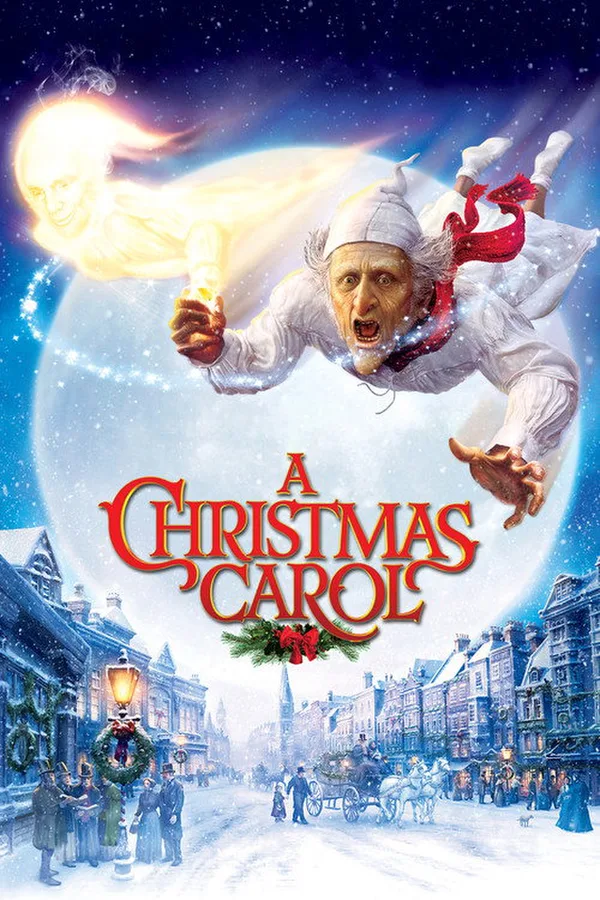 From my media collectionA Christmas Carol (2009)Director: Robert Zemeckis • Genre: Animation, Family, Fantasy, Drama • Year: 2009Save this countdown pick or add your take on Trove.View on Trove
image credits: body image from Disney Movies; featured artwork from Disney+. Disney’s A Christmas Carol © Disney.


leave a reply