
There is a temptation to approach an RPG romance like equipment: find the preferred companion, make the correct selections, collect the reward. Very efficient. Also a slightly bleak way to describe a boyfriend.
In its early design explanation for Baldur’s Gate 3, Larian framed relationships around companions with their own motivations, opinions and responses to the player’s decisions. Its discussion of camp was especially useful: a place for conversation after the adventure, not just preparation for the next fight.

That is a worthwhile lens for queer romance in games. Letting a male character pursue another man is the starting point. Giving both of them something to negotiate makes it a relationship rather than a checkbox.
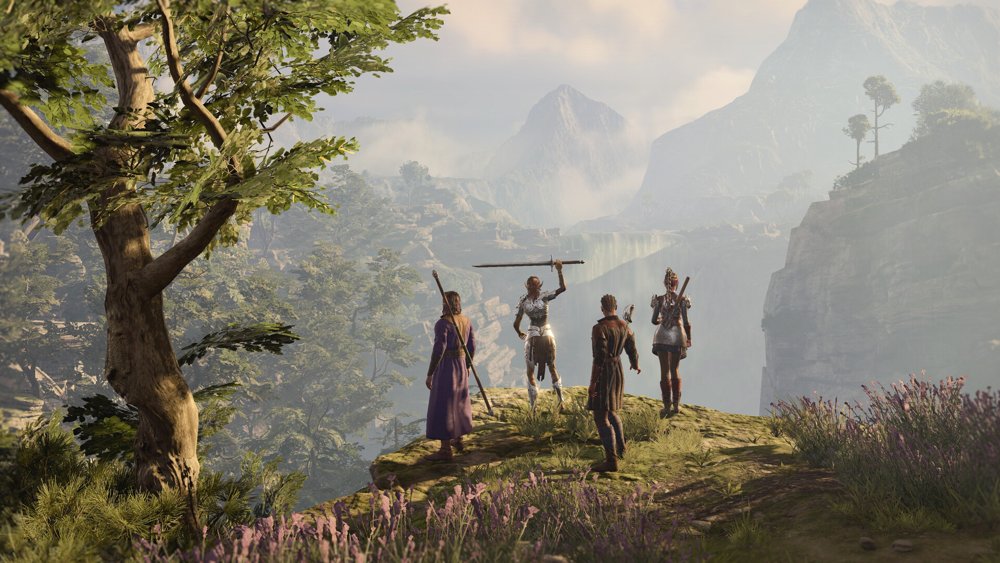
The promotional images make the distinction visible: the character creator offers neatly labeled choices, while Shadowheart’s close-up gives attention to a face and an object whose significance is not contained in a stat panel. The party vista supplies the other half of the fantasy: a journey shared with people, rather than a collection of bonuses.

The interesting question is not only whether a companion approves. It is what that approval asks the player to become. Do you keep a principle when it disappoints the person you fancy? Does attraction make an obviously bad suggestion sound unusually reasonable? A fantasy adventure has room for those small, embarrassing stakes alongside its large, expensive ones.
This is not a route guide or a promise of a particular ending. It is an invitation to treat the conversation as more than a lock with a horny combination.
Larian’s original romance and companionship design discussion (2020; a development-era source, not a current mechanics guide).
Images: Baldur’s Gate 3 © Larian Studios and Wizards of the Coast; official promotional screenshots via Steam.


leave a reply