the ghosts bring an overdue account of what scrooge has done with his time, and the bill is difficult to ignore. Read more
a christmas ghost story has an unfair advantage. everybody already understands what it means to be haunted by an earlier version of the holiday. the room remembers people who no longer sit in it. even the decorations can keep an inconvenient record.
robert zemeckis’s 2009 adaptation puts jim carrey at the centre of dickens’s familiar visitation. scrooge is taken through the past, present and possible future, with the animation giving the journey a restless, sometimes alarming physical scale.
the spectacle can be a lot. there are moments when the machinery threatens to turn a moral reckoning into an attraction that wants to show you how fast it can move. still, this version makes room for the story’s unpleasantness. scrooge needs more than a cosy reminder to be generous.
what keeps the premise troubling is the gap between intention and consequence. someone can think of himself as merely practical while other people experience him as a closed door. the ghosts make those separate accounts occupy the same room. nobody gets to hide behind being busy.
why christmas matters
the holiday puts private comfort beside public need. a warm house becomes harder to admire when the story keeps asking who has been left outside it. christmas also gives change a deadline, which is useful when a man has spent years postponing decency.
the right evening
a darker animation night for viewers comfortable with frightening ghosts, rather than a soothing background film for the youngest children. number 49 goes to a version whose unease survives its excess. the future is still unwritten, but it is becoming less patient.
The Art of Spirited Away offers production drawings, designs, and a different question: how did anyone decide this should look like that? Read more
As an Amazon Associate I earn from qualifying purchases.
An art book is a useful way to spend more time with a movie without asking it to become a franchise. No sequel announcement required. Just let somebody explain how the rooms got there.
The Art of Spirited Away is the production-art option: VIZ’s 240-page hardcover gathers paintings, designs, sketches, storyboards, commentary and a complete English-language script. It is a book about the film’s visual construction, rather than another adaptation to follow through the same plot.
That distinction is the reason to consider it. A finished animated scene makes hundreds of design decisions look inevitable. A room has a particular shape, a character occupies it a particular way, and somehow the whole thing feels like a place that existed before the camera arrived. Looking at the preparatory work changes the question from “what happens next?” to “how did anyone decide this should look like that?”
The finished film gives those rooms and streets a life of their own. The book goes back to the drawings that built them.
VIZ has a preview and edition details. Try that first. Choose this for an interest in drawing, environments or filmmaking; skip it if what you want is a new story. The book includes the script, so it is better saved until after the film if you want to avoid plot details.
The linked edition is the English-language Studio Ghibli Library hardcover, ISBN 9781569317778. Check that number rather than treating every cover with Chihiro on it as the same book. Apparently even a trip to a spirit bathhouse benefits from checking the paperwork.
The Art of Spirited Away
English-language Studio Ghibli Library hardcover · VIZ · 240 pages · ISBN 9781569317778.
For the drawings, environments and decisions behind the finished film.
the Pink Panther was hired to introduce a movie and ended up pursuing a very unreasonable position on house paint. a useful… Read more
the Pink Panther has an excellent career story: hired to help introduce a movie, became famous enough to leave the movie and spend his time making other people’s houses the wrong color.
in the original The Pink Panther, the precious object everybody is pursuing is a jewel. Peter Sellers plays Inspector Clouseau. the tall pink cat is over in the animated credits, apparently working on a much more sustainable business model.
there is something very satisfying about a spin-off that can discard practically the entire plot of the thing it came from. no homework. no explanation of who somebody’s father was. the cat has taken what he needs and left.
the introduction develops ambitions
Blake Edwards asked DePatie–Freleng to create the character for the film. in David DePatie’s account of the process, Edwards selected Hawley Pratt’s design from more than a hundred drawings. the request for an animated title sequence came later. the character was already interesting before anyone had worked out what he should do for several minutes.
his first assignment was excellent: interfere with the credits. a list of people who made a movie becomes somewhere a small nuisance can live. Henry Mancini supplies the music; the cat supplies the suspicion that he considers the whole production his property.
the AFI catalog records the enthusiasm for those opening titles and the subsequent move into standalone cartoons. that move makes sense as soon as you separate the character from the assignment. a jewel needs to be stolen. this animal only needs to encounter something he would prefer arranged differently.
an unreasonable position on paint
the premise of The Pink Phink is a decorating disagreement. a little man wants to paint a house blue. the Panther prefers pink. unfortunately, both parties have access to paint.
that is plenty. color makes the dispute legible immediately. every patch of blue is a little provocation; every patch of pink is a reply. nobody needs to explain what the house represents, or provide a childhood incident that made the Panther this way. he has a preference and an alarming amount of free time.
The Pink Blueprint pushes a related objection into the house plans themselves. the Panther has a preferred design and becomes the builder’s problem. the recurring pleasure is how little justification he needs. he can be graceful, stylish, and completely impossible to work with. excellent range.
the largely pantomime approach helps. DePatie’s interview makes clear that the character did sometimes speak, so “the Pink Panther never talks” needs an asterisk. but a character built around movement and visual interference can travel remarkably light. a look, a pose, a new obstacle: enough information to start.
a spin-off often arrives promising to explain more of its parent story. the Panther’s cartoons demonstrate the appeal of needing less. the live-action films can keep their detectives, thieves, and jewels. there is a whole separate kind of comedy available in watching an elegant creature make a petty decision and pursue it with unacceptable commitment.
he was supposed to introduce the stars. then someone left a paintbrush unattended.
Tim Curry’s “Toxic Love” from FernGully remains an absurdly committed lesson in how destruction sells itself as appetite. Read more
there are villain songs, and then there is Tim Curry spending three and a half minutes making petrochemical extraction sound like the hottest bad decision of your life
FernGully: The Last Rainforest did not need to give pollution a velvet voice, a smoke body, a limber little set of hips, and one of the most committed vocal performances ever smuggled into a children’s movie. it chose excellence anyway
“Toxic Love” works because the movie understands something most environmental messaging is too polite to say: destruction rarely arrives looking like destruction. it arrives selling appetite. it tells you the machine is progress, the poison is convenience, and wanting more is the same thing as being alive
then Tim Curry rolls every syllable around like it owes him rent and turns the whole argument into cabaret. no visible actor, no wink at the camera, just a voice so physical you can practically see the raised eyebrow


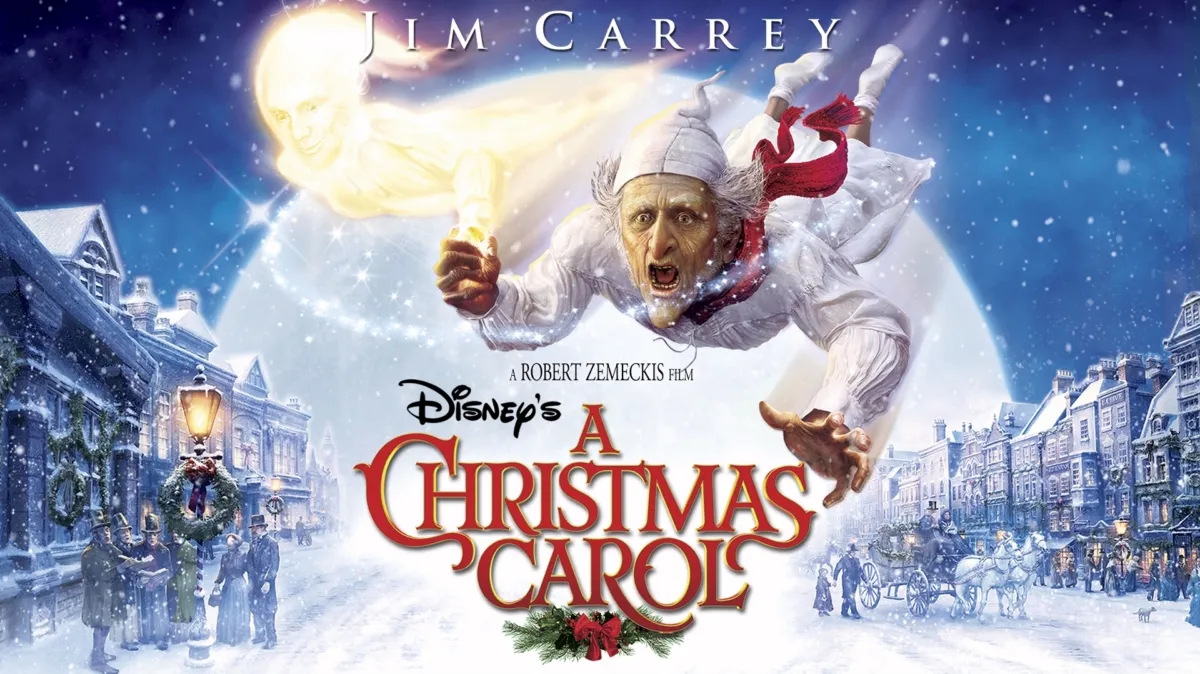



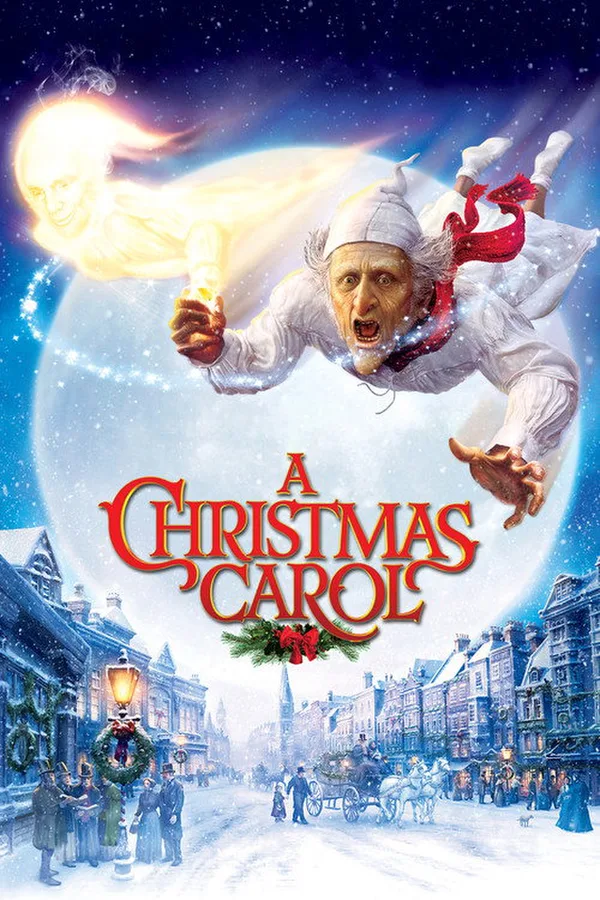 From my media collectionA Christmas Carol (2009)Director: Robert Zemeckis • Genre: Animation, Family, Fantasy, Drama • Year: 2009Save this countdown pick or add your take on Trove.View on Trove