

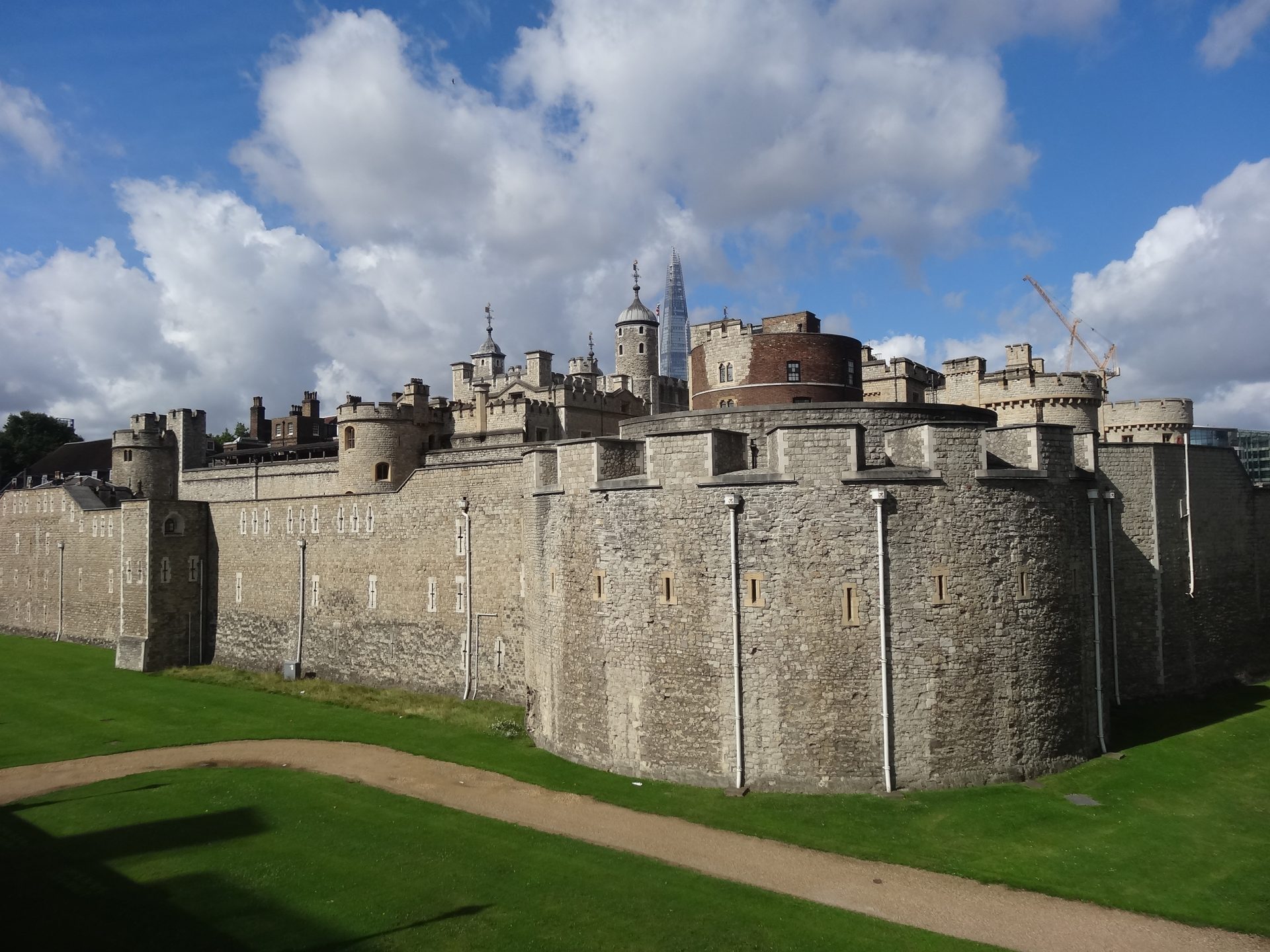

By 1499, the Tower of London held Perkin Warbeck, who had spent years claiming to be a missing prince, and Edward, Earl of Warwick, whose royal relatives were unfortunately real. Both would be executed that November. Henry VII had found a problem with each man’s family tree and selected the same general solution.
There is a particularly nasty irony here, but first we need the correct Edward. Tudor history contains enough interchangeable names to qualify as a password-security incident.
please select a prince

Warbeck’s claim was that he was Richard of Shrewsbury, Duke of York, the younger of the Princes in the Tower. Richard and his brother Edward V had disappeared from public view in 1483. Their fate remains disputed, which left a useful opening for someone announcing that one of them had survived.
Warbeck took that opening international. Important backers included Margaret of York, the real Richard’s aunt, and James IV of Scotland. A disputed identity becomes considerably more dangerous when foreign rulers are willing to fund the argument. Historic Royal Palaces traces his claim and the unresolved mystery behind it.
Warwick was a different person: the son of George, Duke of Clarence, and a nephew of Edward IV. That made him the missing princes’ cousin. Early in Warbeck’s Irish adventures, people identified him as Warwick, then as an illegitimate son of Richard III. According to historian Hannes Kleineke, Warbeck denied both identities before adopting Richard’s. The names were being workshopped, apparently.
the genuine article was also a problem
The pretender who actually impersonated Warwick was Lambert Simnel. In 1487, Henry had the real Warwick taken out of the Tower and displayed publicly, including at St Paul’s, to demonstrate that the supposed escaped earl was still in his custody. The historical account describes this brief appearance before Warwick returned to imprisonment.
Imagine being brought out as the official correction to somebody else’s identity fraud, then locked up again because your authentic identity is also inconvenient. Warwick’s family connections made him useful to Henry’s enemies whether he wanted the job or not.
Warbeck arrived by a more circuitous route: failed military ventures, surrender in 1497, and an initial period of relatively lenient custody. After an escape attempt, Henry confined him in the Tower. The career change from royal claimant to royal prisoner was now complete. Kleineke’s account follows the collapse of the campaign.

two prisoners, two executions
In 1499, Warbeck and Warwick were implicated in an alleged escape conspiracy. Warwick was also accused of plotting to depose Henry. The evidence and political motives deserve more caution than a neat adventure story allows: this was a prosecution controlled by the king whose rivals were conveniently on trial. Conor Byrne’s account questions the evidence against Warwick.
Warbeck was hanged at Tyburn on November 23, 1499. Warwick was beheaded at Tower Hill on November 28. They were not executed together, and Warwick was not the prince Warbeck claimed to be. Their linked downfall was still brutally efficient. Warbeck’s execution; Warwick’s execution.
The final insult is that Simnel, Warwick’s actual impersonator, survived and entered Henry’s service. The counterfeit got a job. The original spent his youth imprisoned and lost his head.
Warbeck tried to become royal enough to take the crown. Warwick was born royal enough to threaten it. In Henry VII’s England, either could get you killed.
image credits
Featured image: 2017 Exterior of Tower of London, Jordiferrer, CC BY-SA 4.0; displayed at reduced size, otherwise unchanged. Portrait: Perkin Warbeck, attributed to Jacques Le Boucq, Recueil d’Arras, via Wikimedia Commons, public domain. Pillory illustration: Perkin Warbeck in the pillory, Henry Marriott Paget, 1884, via New York Public Library/Wikimedia Commons, public domain; a later imagined scene, not a contemporary depiction. Body images displayed at reduced size, otherwise unchanged.