


thirst, with footnotes · no. 2
Rock Hudson had the kind of face that makes a studio publicity department look overstaffed. But a jaw is not a performance. The interesting part is what he did with the rest of the picture.
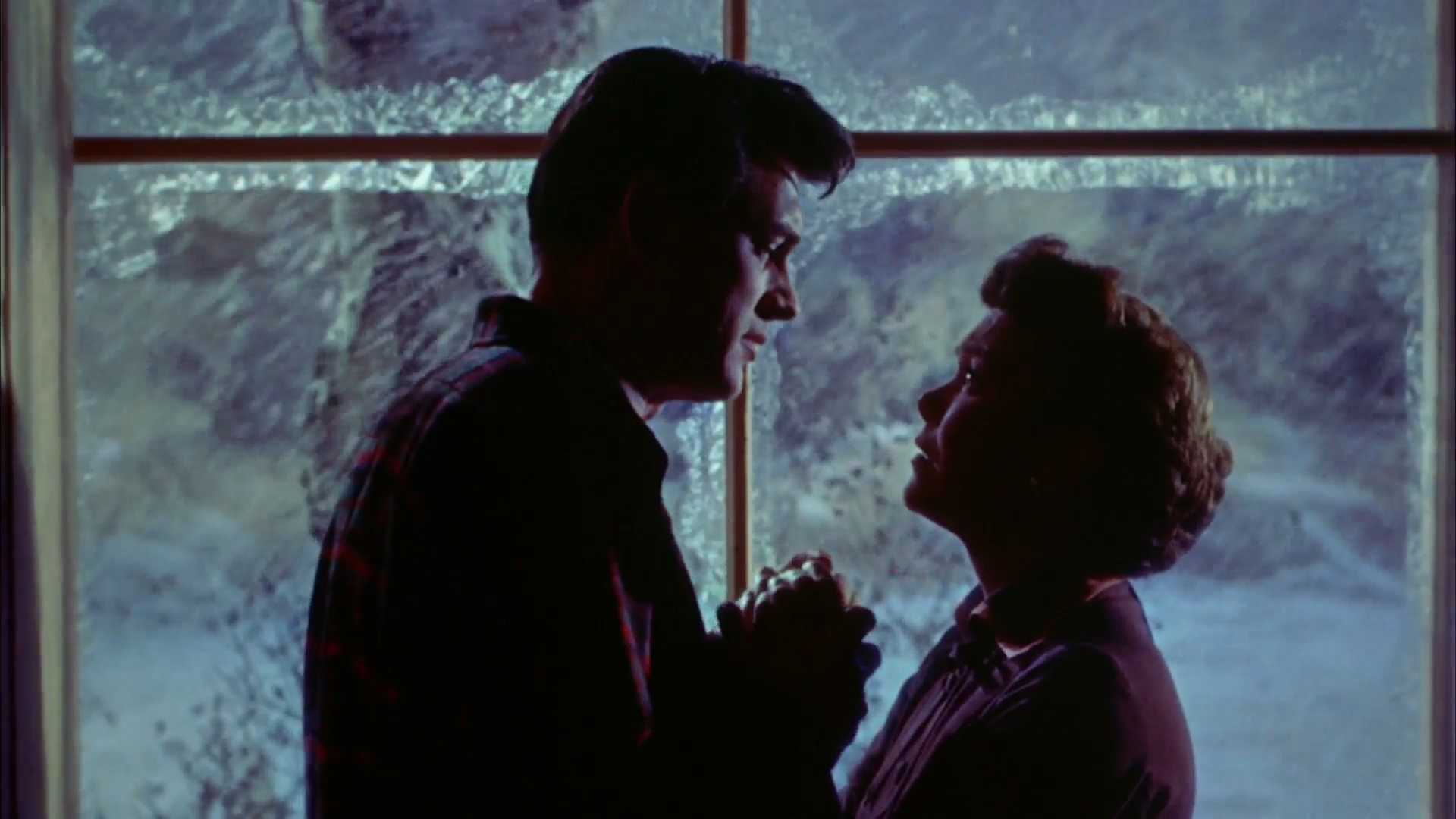
In its account of Hudson’s 1950s melodramas, the BFI identifies a particularly potent combination: masculinity and gentleness. That is a better starting point than treating him as a walking monument. In Douglas Sirk’s All That Heaven Allows, his romantic appeal is not simply that he occupies considerable space. It is that his presence offers an alternative to the social world pressing in around Jane Wyman’s character.
The film’s premise is easy to describe without spoiling its progress: a widow falls for her younger gardener, and other people develop an exhausting interest in the arrangement. The Criterion Collection’s synopsis places class and conformity at the heart of the opposition. Hudson’s body is therefore not neutral decoration. It belongs to the man the surrounding community would prefer she did not choose.
That gives the clothes something to do. Relaxed, practical-looking clothing makes a different offer from the formal codes of respectability around the couple. The fantasy is not merely “handsome man.” It is a handsome man who seems capable of existing outside a committee. For a film filled with scrutiny, the possibility of not performing for the neighbors is practically an aphrodisiac.
This is also why a publicity portrait cannot tell the whole story. Edward T. Estabrook’s 1953 photograph, published in Photoplay, gives us the controlled construction of a star: the face, the hair, the arrangement of light. It is an excellent object to look at. A movie adds duration, response and the possibility that the impressive-looking man might actually listen.

There is a temptation to discuss Hudson entirely through the distance between his public screen image and his private life. His history matters, but making every performance a puzzle with one biographical solution diminishes the work. A gay audience does not need to pretend the heterosexual romances are secretly different plots in order to find pleasure in them. Looking at the leading man is already permitted. The camera has gone to some trouble to assist.
The useful comparison is with Pillow Talk, his 1959 comedy with Doris Day. A different genre asks a different service from the same screen presence. The sculpted, reliable-looking exterior can carry romantic reassurance in one film and become part of a comic performance of confidence in another. The appeal is not a fixed property stored in the cheekbones. It is shaped by the scene.

That is the enduring argument for Hudson as a heartthrob rather than a handsome historical document: beauty gets him into the frame; modulation makes him worth staying with.
The shoulders are persuasive. The gentleness closes the deal.
sources
BFI: Hudson’s 1950s melodramas.
Criterion: All That Heaven Allows.
Edward T. Estabrook’s 1953 portrait and reuse record.
Image credits: Featured: Universal Pictures, All That Heaven Allows trailer (1955), public domain in the United States (no copyright notice). Portrait: Edward T. Estabrook, Photoplay (December1953), public domain in the United States (copyright not renewed). Film image: Universal International, Pillow Talk trailer (1959), public domain in the United States (no copyright notice). Reproductions via Wikimedia Commons.

