

spoilers for Big Brother 28, obviously.
Haley “Thog” Thogmartin’s exit press arrived this morning, several days after the feeds spoiled her medieval-twist elimination and one night after CBS finally allowed the television audience to catch up. this is an extremely normal way to evict somebody from a social-strategy game: make her spend roughly seven hours outside in a heavy dress, lose four competitions in a row, disappear without a vote, and then wait half a week before asking how she feels about it.
Thog’s answer was mostly: fair enough. this is to her credit, although “did not blame a foam castle after losing four competitions” is not quite the redemption arc her exit press occasionally seems eager to assemble.
i posted this last week because the entire house was becoming personally offended that people had lied to them in the lying game. Thog’s interviews are interesting because she has now reached basically the same conclusion, only after being physically removed from the lying game by a man dressed like he was guarding a Renaissance fair parking lot.
the twist was miserable, but she does not blame the twist
in both Mike Bloom’s Parade interview and Dalton Ross’s Entertainment Weekly interview, Haley said she would have preferred a traditional eviction. she wanted the opportunity to campaign, say goodbye, make jury, and, yes, continue trying to win $750,000. all very reasonable complaints about being deleted from the house by Big Brother: Dark Ages Edition.
still, she did not call the result unfair, and she does not regret asking Dee to send her into the first safety competition. with Dee and Devens already safe, and Angela next in their plan, Haley correctly assumed nobody was likely to save her for her. going in first gave her the maximum number of chances to protect herself. the strategy was sound. the competitions simply said absolutely not.

the EW interview adds the bleak production detail that the whole sequence took about seven hours. she was given water and allowed to sit, but she did not go back inside between rounds. by the end, she was hot, sweaty, exhausted, and wearing a thick medieval dress. “expect the unexpected” is one thing. “expect to become a damp tapestry” feels like a separate waiver.
her feelings were real; her monopoly on victimhood was not
Bloom opens by asking how rough her week has been, and Haley answers, “My week’s been perfect!” honestly, good start. no notes.
then he presses her on one of the season’s stranger recurring claims: Haley repeatedly described her first several weeks as extraordinarily difficult even though she was protected by Red Corner and Toolshed, never touched the block, and won an HOH. Melody and Mallory, who spent that period repeatedly fighting for their lives, understandably did not enjoy hearing about it.
Haley’s answer is revealing because she can now separate her emotional experience from her strategic position. game-wise, she admits she was safe and set up well. personally, she felt overwhelmed almost immediately, took comments and conflicts very personally, and was less mentally prepared for the house than she expected. that is useful context. it is not a defense.
the problem was never that Haley had feelings. the problem was that she treated her feelings as objective evidence, then expected people with far less protection to manage them for her. “i have had seven rough weeks” remained absurd when delivered to people who had been nominated four times before lunch. worse, ordinary resistance from Taylor, Lala, and others repeatedly became proof that Haley had been attacked, while her own coded dismissiveness, tone-policing, and microaggressive behavior got filed under stress. she was playing from inside the feeling, and only her feelings were granted full citizenship.
the apology is better than denial. the bar remains underground
both interviewers asked Haley directly about her behavior toward Taylor and her accusation that Lala had bullied her. good. those were not stray comments floating loose from an otherwise lovely summer. they were part of the ugliest pattern in Haley’s game: she could be dismissive and cruel, especially when someone outside her comfort circle asserted herself, then quickly reframe the resulting conflict as something being done to Haley.
on Taylor, Haley said she had seen some of the online reaction, regretted what she said, understood that it was hurtful, and wanted to apologize directly. she also acknowledged that she inserted herself into the argument after overhearing her name, then refused the difficult conversation Taylor tried to have the next day because Haley did not want another heavy exchange. Taylor was expected to absorb Haley’s interruption, Haley’s assumptions, and Haley’s refusal on Haley’s preferred schedule. this was the pattern in miniature.
Haley says this is an explanation, not an excuse, but the explanation still occupies most of the available real estate: pressure, exhaustion, overstimulation, and what she was personally experiencing. meanwhile, Taylor experienced the actual comments. owning harm after seeing the online reaction is better than denying it, but it is also the first item on the checklist. the microphones did not misunderstand her, the audience did not invent a tone, and a stressful house did not distribute the same behavior evenly among everyone inside it.
on Lala, Haley retracts the bully label, as she should. she still returns to exchanges that hurt her feelings and an apology that did not feel sincere enough in the moment. this is the recurring asymmetry: Haley’s interior life arrives with footnotes, weather reports, and an appeals process; everyone else’s arrives as a threat assessment. calling a Black woman a bully for confronting you is not made harmless because the house was tense. the tension is part of why checking that reflex mattered.

exit press is not absolution, and viewers are not obligated to convert one morning of consequence-assisted reflection into retroactive affection. Haley named specific people and admitted specific behavior, which makes this sturdier than the passive-voice mist reality contestants usually release when they discover the feeds had sound. it does not make it especially brave. she was terrible to people in that house, the pattern was visible long before eviction night, and “i own it” is the beginning of accountability, not its deluxe finale package.
Dee played Big Brother; Haley kept checking the rules of real life
the funniest strategic revelation is that Dee’s role in flipping the vote from Melody to Lyric went completely over Haley’s head. once told the full story, she immediately gives Dee credit. in EW, she says “it went right over my head,” then explains that she kept judging moves by what someone would do to a friend in real life. she now understands that this was, apparently, not the game.
apparently!
this is the entire Haley Thogmartin experience in one answer. she had enough social structure to dominate the opening month, enough competition ability to win power, and enough loyalty to be useful. what she did not have was the ability to treat information as information once it touched an emotion. every lie became a betrayal, every tense exchange became a moral event, and every person who challenged her risked becoming mean, unsafe, or a bully. that was bad strategy, but it was also simply bad behavior. the distinction matters because the people on the receiving end were not game pieces in Haley’s personal-growth montage.
even after learning that the icons engineered the flip that destroyed her position, Haley says she would have remained loyal to them if she survived. there is logic there: they had become her only viable path, and resentment is not a strategy. there is also the lingering sense that “loyalty” was the one tool she trusted after the rest of the toolbox caught fire.
her winner pick may have a very short shelf life
Haley names Dee as the person playing the best hidden strategic game. she also praises Devens, says “his social game is immaculate,” and picks him as the person she wants to win.
this is especially funny timing because Devens is currently on the block after volunteering to be Drew’s replacement nominee, a sentence constructed entirely from decisions i would not personally make. Haley believes his connections to Barrett and Drew give him room to survive even as the icons come under attack. we will know tonight whether her first postgame read is sharper than her in-house ones. no pressure.
watch the full Parade interview
the rapid-fire ending supplies one final tiny character study. Haley calls Angela nurturing, Barrett slick, Dee strong, Devens safe, and Lala fierce. asked about Taylor, she pauses, then calls her beautiful, says she has a beautiful heart, and describes her as an overall great person. it reads partly as a peace offering, partly as somebody choosing every word with oven mitts, and partly as the clearest indication that she knows exactly which conversation waits outside the studio.
the verdict
Haley’s exit press does not rewrite her season. she was unnecessarily cruel, repeatedly microaggressive, remarkably self-focused, and strategically unable to separate hurt feelings from useful facts. she helped create an ugly house dynamic, then narrated herself as one of its primary victims. a competent apology cannot make that footage unaired.
the exit interviews improve my opinion of her from “incapable of self-reflection” to “capable of it once the consequences and press questions arrive.” that is movement. it is not redemption. she left understanding the twist that evicted her, the mistake that blinded her to Dee, and at least some of the harm she caused Taylor and Lala. the postgame download installed successfully. the operating system remains deeply suspicious.
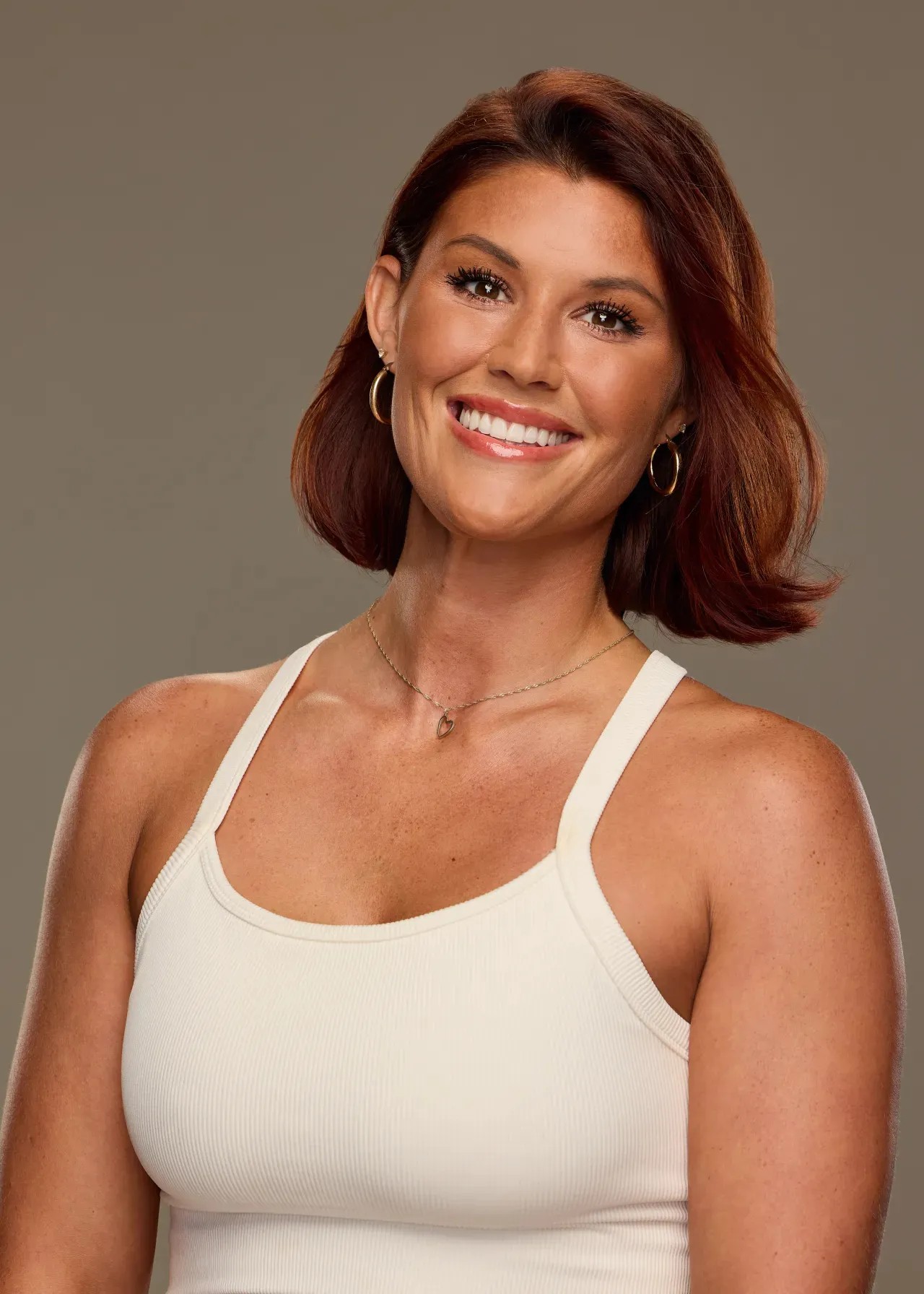
Featured image: Haley Thogmartin cast portrait, CBS/Paramount; used for commentary.
Sources: Parade’s interview with Mike Bloom, Entertainment Weekly’s interview with Dalton Ross, and the ongoing #BB28 Thog discussion on Bluesky. Details reflect information available September 3, 2026.