

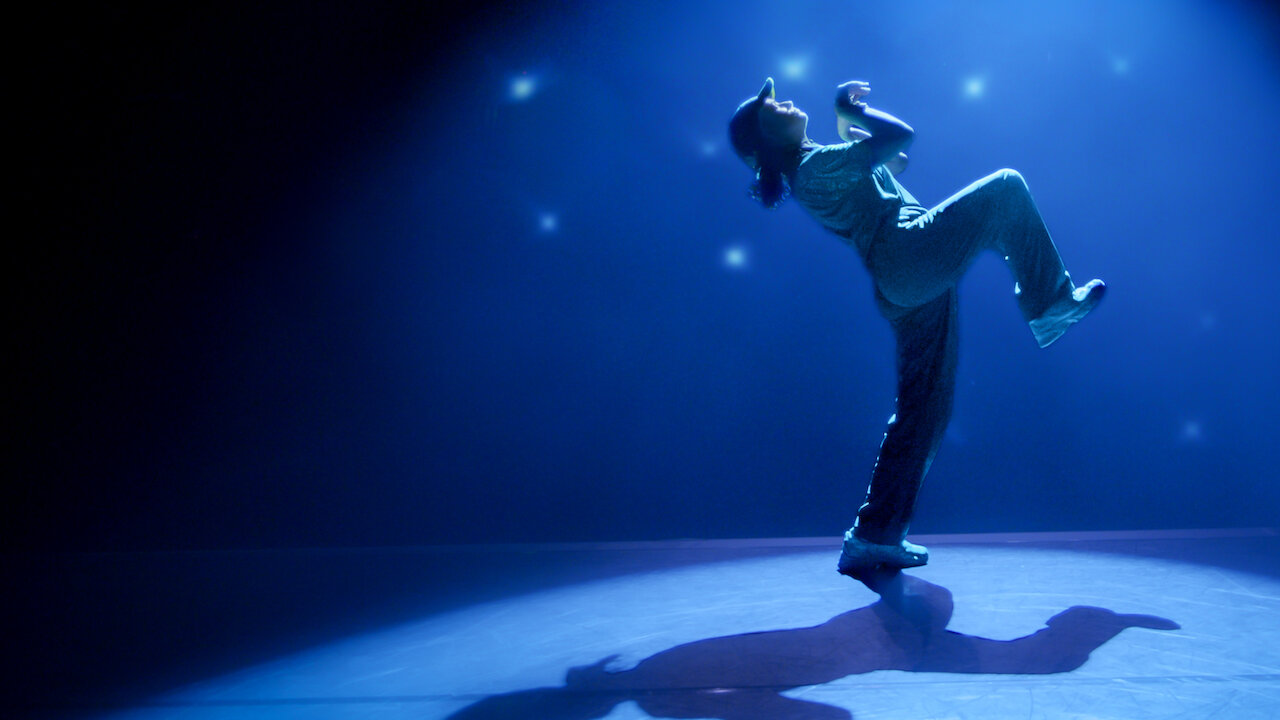

about twenty minutes into Untold: Raygun — Breaking Badly, i posted that the documentary was teetering on the edge between documentary and mockumentary despite being 1000% earnest. this is still the most accurate review i can offer. the movie is not making fun of Rachael Gunn. the movie would be horrified to learn that laughter has entered the building.
Netflix has assembled all the customary prestige-documentary furniture: low lighting, slow-motion rehearsal footage, a carefully wounded score, and interviews framed as if somebody is about to reveal where the bodies are buried. then Raygun explains that her Olympic routine was a radical expression of creativity, and the film presents the kangaroo hop with the solemnity of the Zapruder film.
nobody involved appears to understand why this feels funny. this makes it much funnier.
the documentary wants a hero’s journey; the footage keeps requesting a wellness check
Breaking Badly, released on Netflix on September 1, reconstructs Gunn’s path from Australian academic to Olympic breaker to the internet’s designated main character for several exhausting weeks in 2024. the broad facts are strange enough without enhancement. she qualified for the first Olympic breaking competition, lost every battle without receiving a judge’s vote, became globally recognizable for several unconventional moves, and then watched the usual machinery convert public bewilderment into conspiracies, abuse, and mythology.
some of that mythology was plainly false. the Australian Olympic Committee rejected claims that Gunn or her husband manipulated the qualifying process, and the misogynistic intensity of the pile-on was grotesque. “that performance was not Olympic caliber” and “this woman secretly rigged an international sporting body” are different statements. the internet placed them in a blender because nuance has never driven engagement quite as efficiently as accusing a stranger of organized dance fraud.

the documentary is strongest when it deals with that aftermath. becoming a meme means millions of people inherit a tiny, flattened version of you, and they are all permitted to improvise. Gunn was mocked, impersonated, lied about, and treated as a public resource. no reasonable person deserves that. unfortunately, the film seems to believe acknowledging the cruelty requires us to stop noticing anything else.
sympathy and criticism are allowed to share a studio apartment
this is where the accidental mockumentary starts producing its own lighting. Breaking Badly repeatedly treats the choices as “Raygun was a misunderstood visionary” or “Raygun deserved the abuse.” i decline both packages. she did not deserve harassment, threats, invented scandals, or a permanent lease inside everybody’s worst joke. she also gave a strikingly poor performance on the largest possible stage and became the most visible representative of an art form whose actual best practitioners were standing several feet away.
The Guardian’s review identifies the question the film keeps circling without touching: what does it mean that a dorky white academic became the global face of a Black and brown art form while breakers with far greater technical skill remained comparatively anonymous? Netflix is very interested in whether Raygun belongs. it is much less interested in who disappears when the camera answers yes.

Gunn’s stated emphasis on originality over technical precision is not inherently ridiculous. art needs people willing to look strange. i run a personal blog in 2026; clearly i am not opposed to performing outside the market-tested definition of dignity. but originality is not a coupon that waives execution, context, or criticism. sometimes the brave new thing does not work. sometimes all three judges agree.
Netflix keeps sanding away the thing that made the story interesting
the most revealing version of the Raygun story is messy: a committed but limited competitor reached the Olympics through a legitimate, underdeveloped qualification system; her unusual routine became funny out of context and not entirely unfunny within it; the world responded with criticism, misogyny, conspiracies, and disproportionate cruelty; and the resulting fame elevated her above the breaking culture she sincerely admired. no single person is required to be villain, victim, fraud, and folk hero at all times.
ABC’s review describes an unprepared athlete overwhelmed by the scale of the Olympics. that is more human, and more interesting, than the polished resilience product Netflix is trying to sell. unprepared people wander into important rooms every day. most of us simply have the courtesy to do it at work, where the footage belongs to Microsoft Teams and will die unseen.
instead, Breaking Badly keeps arranging the story into inspirational poses. the score swells. a lesson approaches. Raygun talks about authenticity. somewhere, a documentarian gently lowers a fog machine. the film is so committed to restoring her dignity that it accidentally removes her complexity, which feels like another form of turning a person into a meme, only this one has tasteful color grading.
watch the trailer and observe the seriousness entering the room
i am glad Gunn got to tell her side of the story. i am also fascinated by a documentary that believes telling her side means every uncomfortable contradiction must be escorted off the premises. the result is earnest enough to demand respect, strange enough to generate laughter, and controlled enough that the laughter becomes the most honest audience response available.
it is not a mockumentary. it just keeps stepping on the same rake with excellent production values.
Featured image: Rachael Gunn in Untold: Raygun — Breaking Badly. Image: Netflix; used for commentary.
Sources include Netflix, The Guardian, ABC News Australia, and KQED. Details reflect information available September 3, 2026.