the nice thing about a small media-tracking site is that you can actually read what people wrote. the less convenient thing is that reading what people wrote immediately produces more things to read.

so, a look around Trove: queer horror, a disputed ending, mutual aid, and a very handsome fish situation. the opinions below belong to the people credited. the expanding backlog belongs to all of us.
around the community shelves
you weren’t meant to be human
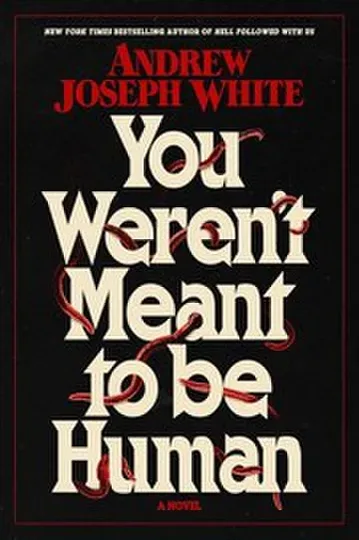 From my media collectionYou Weren't Meant to Be Human (2025)Author: Andrew Joseph White • Publisher: Titan Books Limited • Year: 2025View on Trove
Melinoë Agnès (@thrstyanrchst): 4/5. the ending caught them off guard, and their review is an enthusiastic recommendation for its queer horror. keeping the actual surprise out of this roundup seems like basic neighborly conduct.
read Melinoë’s review on Trove.
there is no antimemetics division
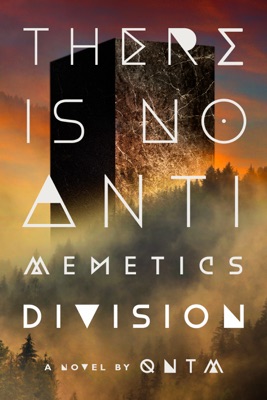 From my media collectionThere Is No Antimemetics DivisionAuthor: QNTM • Year: 2025View on Trove
Melinoë Agnès (@thrstyanrchst): 3/5. they liked the book, but the ending didn’t land for them. a useful distinction when a star rating by itself would make you do the detective work.
read Melinoë’s review on Trove.
mutual aid
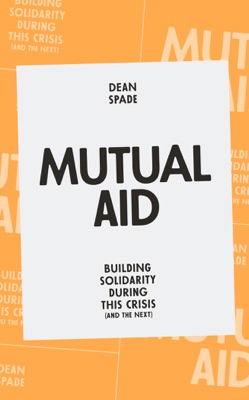 From my media collectionMutual AidAuthor: Dean Spade • Publisher: Verso • Year: 2020View on Trove
Melinoë Agnès (@thrstyanrchst): 4/5. a quick, accessible read that earned plenty of annotations, with a recommendation for anyone looking to make a difference. sometimes the useful reading list is the one that sends you back into the world with something to do.
read Melinoë’s review on Trove.
the shape of water
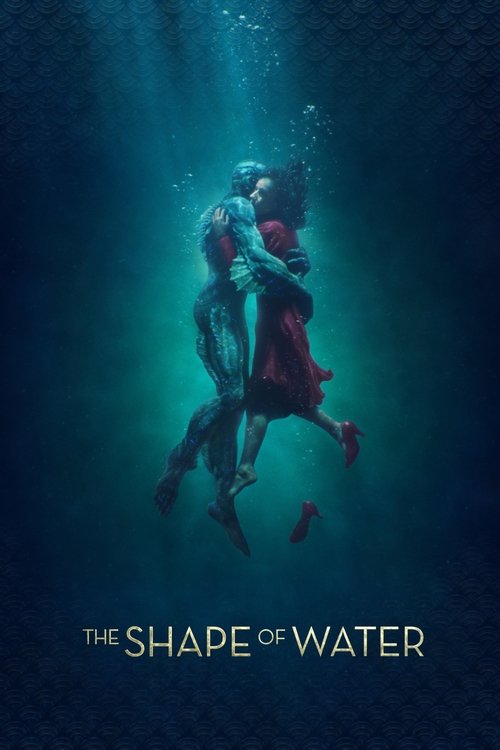 From my media collectionThe Shape of WaterDirector: Guillermo del Toro • Genre: Drama, Fantasy, Romance • Year: 2017View on Trove
jacob (@bartsdoodle): 5/5. the beauty of the film and its soundtrack are the big takeaways here. concise, enthusiastic, and considerably easier to fit into an evening than the three books i just added to your problems.

a few from my shelf
dungeon crawler carl
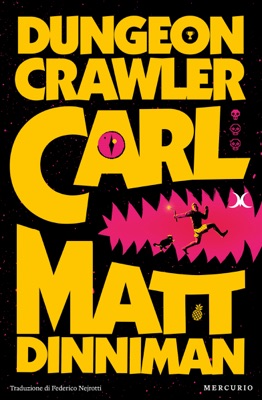 From my media collectionDungeon Crawler CarlAuthor: Matt Dinniman • Year: 2025View on Trove
my rating: 3.5/5. my review was pretty practical: it got me hooked enough to buy book two. i mixed listening and reading on this one. not every recommendation requires a manifesto; sometimes the evidence is the next purchase.
x-men united
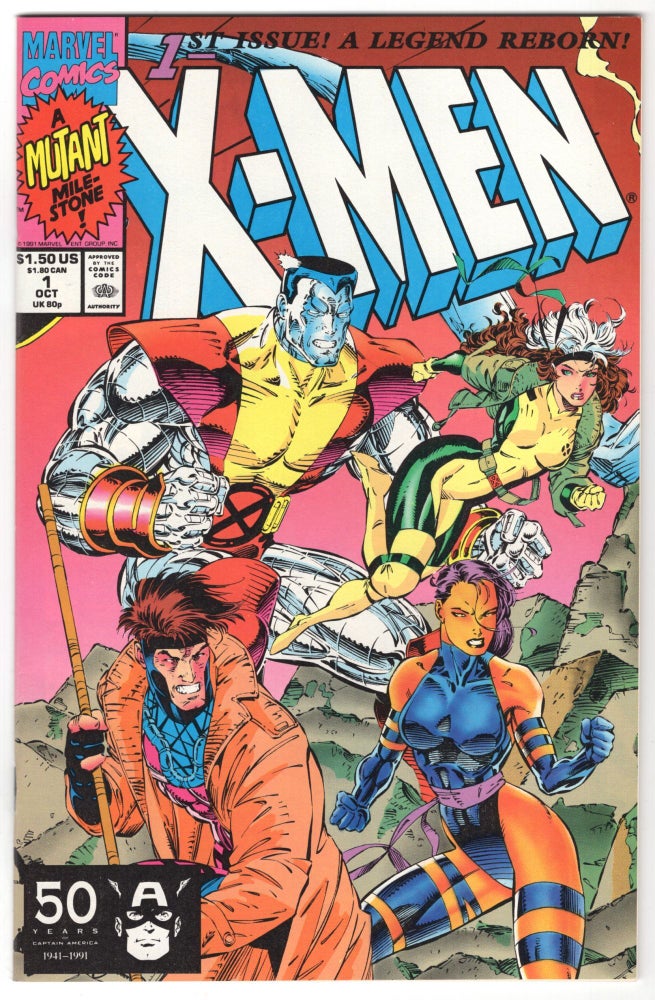
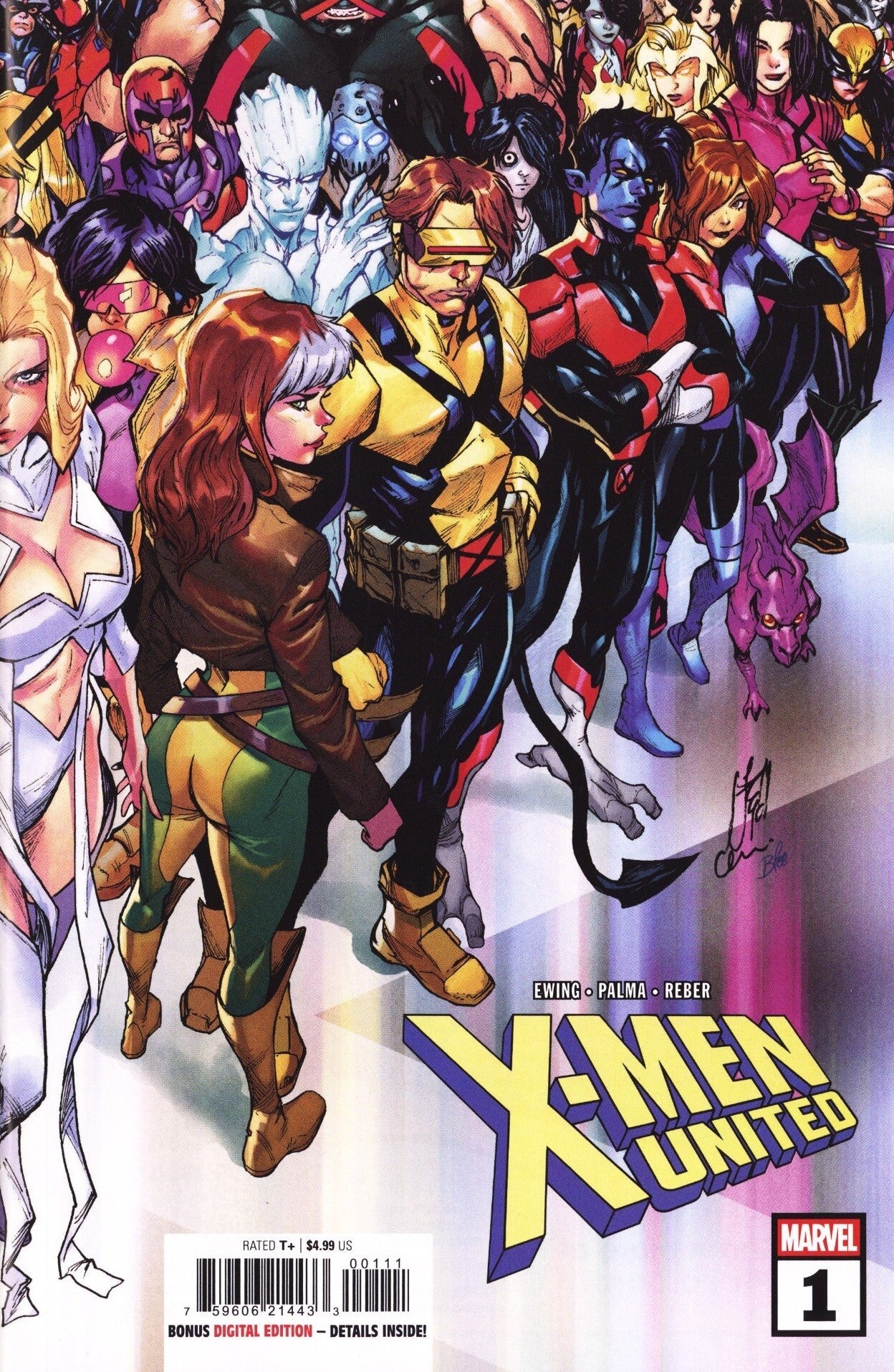 From my media collectionX-Men United (2026)Writer: Eve L. Ewing • Artist: Tiago Palma • Publisher: MarvelView on Trove
my rating: 4/5. Graymatter Lane and an Emma-focused story. that was the pitch, and my review was essentially an immediate yes. some interests have a very efficient approval process.
big brother
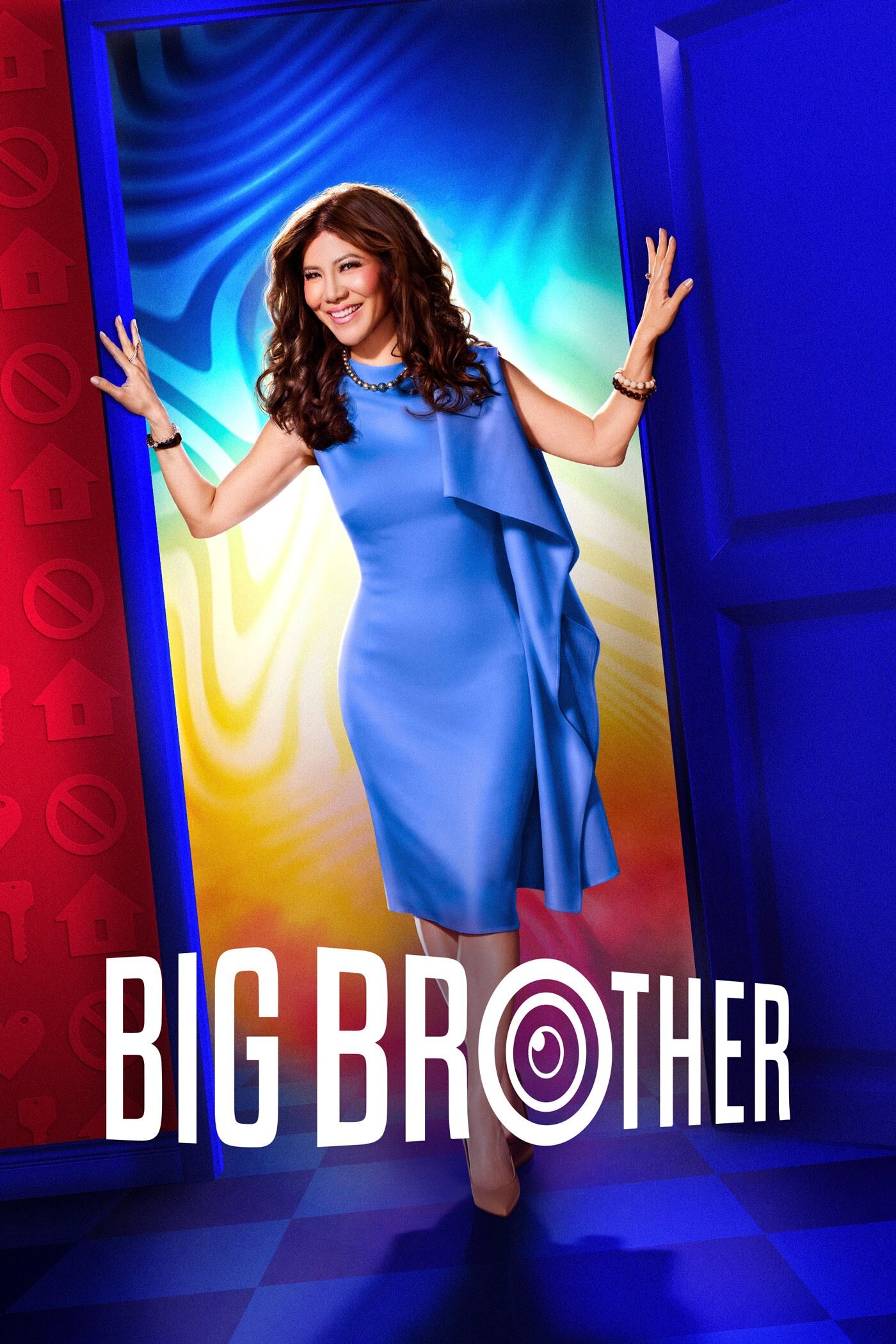 From my media collectionBig Brother (2000)Network: CBS • Director: Robyn Kass, Chris Salomon • Year: 2000View on Trove
my rating: 4/5. i called it the best competition reality show, with most of the credit going to the live feeds and the online community around them. which probably explains the amount of this blog devoted to people having preventable conversations in a house.
there we go: seven takes, several different kinds of media, and nobody had to build a personal brand around having finished a book. the shelves are open.
roundup checked october 18, 2026: all 154 pages of Trove’s public community activity, plus the public reviewer profiles and linked title pages. included here are all four distinct written reviews by other people found in that public activity, plus three of mine. ratings and logged watches/reads without written reviews aren’t counted. summaries preserve each reviewer’s opinion; follow the links for their own words. private activity is outside this roundup.