

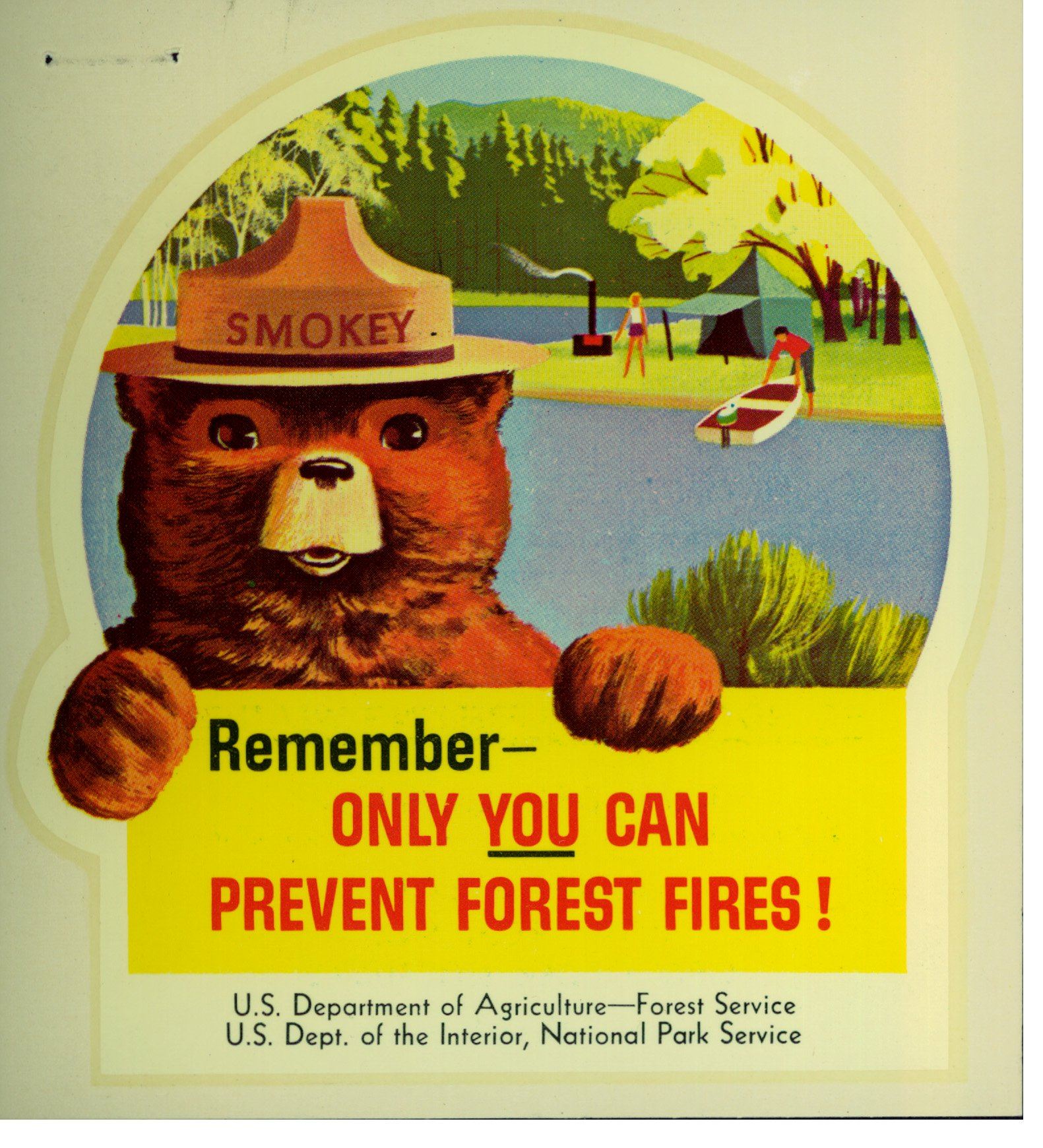

i reblogged this because it is a good joke in the very specific modern genre of “the public service announcement has returned to clarify that the public service was laid off.”

unfortunately, the joke has excellent timing. as of September 2, California’s Plaskett Fire had grown to 27,580 acres with 1% containment, making it the state’s second-largest wildfire of 2026. nearly 1,000 people were assigned to it. the nearby Timber Fire had already burned more than 25,000 acres. together, suppression costs had reached roughly $80 million.
meanwhile, the people who actually do the prevention, logistics, science, maintenance, dispatching, and suppression have spent the year explaining that a fire response system is more than the visible person holding a hose.
“frontline” is doing a lot of work here
the Forest Service says it exceeded its operational-firefighter hiring target for 2026, expanded premium pay, and issued more than 22,000 red cards authorizing personnel for fire assignments. that is important, and it is better than failing to hire firefighters. it also does not make the larger staffing problem imaginary.
the National Federation of Federal Employees says the administration cut the Forest Service budget by $438 million, or 24%, in March. conservation groups have estimated that the agency lost 5,860 employees by January 2026, including staff with fire qualifications. those numbers include people outside dedicated suppression crews, which is precisely the point: you cannot run a national emergency operation using only the employees whose job title looks dramatic in a press release.

wildfire prevention depends on prescribed burns, fuel treatments, weather and fire-behavior research, equipment, road and trail crews, aviation, communications, grants, local coordination, and enough administrative capacity to move all of it where it needs to go. the Forest Service’s own research arm says wildfire losses exceed $40 billion annually and estimates a seven-dollar return for every dollar spent on fuel treatments and forest management informed by fire research.
this is why the old Smokey Bear slogan has always been a little strange. yes, please extinguish the campfire. do not launch fireworks into crispy grass. personal responsibility remains available at no additional charge. but “only you” was never literally true. preventing a landscape-scale disaster is collective work, performed by public institutions before, during, and long after the flames appear.
the bleak version of the slogan is not that individual choices do not matter. it is that government can cut the system, point at the individual, and call the transfer of risk “responsibility.” Smokey is still wearing the hat. apparently he is also covering three vacancies, processing his own travel voucher, and waiting for procurement to approve a shovel.
sources: the Forest Service’s April 30 fire letter, NFFE-IAM’s July 16 staffing and budget statement, the Forest Service fire-research overview, and September 2 reporting on the Plaskett and Timber fires.