blog: tacobout.online
media collection: trove.schweg.xyz
money? cash.app/$schwg
SW-8401-9041-4251
151 posts
96 followers
Follow schwegler
My Profile
Paste my profile into the search field of your favorite open social app or platform.
Your Profile
Or, if you know your own profile, we can start things that way! Why do I need to enter my profile?
This site is part of the ⁂ open social web, a network of interconnected social platforms (like Mastodon, Pixelfed, Friendica, and others). Unlike centralized social media, your account lives on a platform of your choice, and you can interact with people across different platforms.
By entering your profile, we can send you to your account where you can complete this action.
the driver is “nearby” in the same way a distant thunderstorm is technically in the area. Read more →
delivery tracking is one of the few consumer technologies designed to make a perfectly manageable wait feel like a military operation. the driver has accepted the order. the driver is waiting. the driver is apparently moving in a direction that suggests an entirely different meal.
the map is always serene about this. a little icon glides around with the confidence of a person who has never had to find an apartment complex after dark. meanwhile, the food is becoming a philosophical concept.
i do not need a detailed route. i need one honest sentence: ‘there has been a development.’ maybe the driver is on a bike. maybe the restaurant has entered a fugue state. maybe the app has decided miles are a kind of vibe.
i will still order again, obviously. there are some systems we criticize because we believe they can be better, and some we criticize while opening them for the fourth time.
the power of a playlist is that it can say too much, and nobody has to type back “thank you, that is… Read more →
a playlist is a deeply efficient way to make your feelings somebody else’s administrative burden. you can sequence three songs perfectly, give it a title that is normal enough to deny in court, and then hand it over like you are not trying to communicate anything at all.
the best playlists are not encyclopedic. they are specific enough to make a case. this is the walk home in bad weather. this is the drive when you need to become somebody with better posture. this is the song you played seventeen times because apparently the day needed a witness.
there is mercy in the format, too. a playlist does not demand an immediate response. it can sit there, quietly insisting that the third track matters. perhaps they listen. perhaps it becomes part of their own weird little afternoon. both outcomes are survivable.
seven veteran Housewives, five cities, one traveling jurisdictional dispute, and Teresa waiting patiently for the next euphemism to receive technical support. Read more →
there are television shows with plots, and then there are television shows where seven women who have each spent years learning how to seize a scene are placed on a bus and asked to celebrate institutional history.
ultimate girls trip roaring 20th might be the best tv show I’ve ever seen? just everyone hating everyone and about every 16 minutes they have to explain a sex euphemism to teressa
The Real Housewives Ultimate Girls Trip: Roaring 20th may be the best version of the second thing Bravo has ever made. everyone hates everyone, every city supplies a new ceremonial reason to reopen an old wound, and approximately every sixteen minutes somebody has to explain a sex euphemism to Teresa Giudice.
this is not a criticism. this is the format achieving consciousness.
the trip has no neutral territory
The Roaring 20th cast takes the anniversary trip on the road. Photo: Bravo.
The season’s official structure is a tour through the franchise’s history: Orange County, Beverly Hills, Atlanta, Miami, and New York. Bravo describes the core cast as seven “franchise-defining” Housewives—Lisa Barlow, Porsha Williams, Kyle Richards, Luann de Lesseps, Vicki Gunvalson, Teresa Giudice, and Gizelle Bryant—with other familiar faces appearing along the route.
on paper, this is an anniversary celebration. onscreen, it is a traveling jurisdictional dispute. every stop gives somebody home-field advantage and everybody else a fresh opportunity to resent it. nostalgia arrives carrying a seating chart.
the casting is almost mathematically hostile. these are not seven people selected because they will naturally bond. they are seven people selected because each believes, with years of supporting footage, that she understands how a Housewives scene is supposed to work. put them together and every lunch becomes a writers’ room where nobody has agreed who is showrunner.
everyone is producing, including the person denying she is producing
episode six, “Cockies and Conversation,” is where the machinery becomes especially visible. the Miami stop includes an argument about Lisa being late, another argument about whether Lisa talks to bloggers, Vicki’s gastrointestinal situation, Luann interrupting a toast about sisterhood, and Porsha repeatedly trying to redirect traffic like the only crossing guard assigned to an eight-lane intersection.
Lisa Barlow during “Cockies and Conversation.” Photo: Bravo, via Vulture.
Vulture’s recap describes the cast as reaching the point in a vacation where everyone is exhausted and patience has become a limited natural resource. that exhaustion is exactly why the episode works for me. nobody has enough energy left to pretend these conversations are spontaneous, but everybody still has enough professional instinct to keep the scene alive.
Gizelle introduces an accusation. Lisa rejects the premise. Teresa locates Lisa almost immediately when she leaves to cry. Luann enters each silence like she has been summoned by a small bell only she can hear. Vicki tries to deliver a toast while the room behaves as though the toast is a public comment period.
the show is not hiding the labor of reality television anymore. it is letting us watch seven veteran employees conduct an increasingly hostile peer review.
Teresa is the audience, somehow
Teresa’s role in all of this is essential because she keeps reacting to language like it has arrived without documentation. somebody says something filthy. the group pauses. Teresa processes the phrase. a colleague provides technical support. television resumes.
after twenty years of Housewives, this is the kind of ritual the franchise can now build around itself. the joke is not simply that Teresa does not know a euphemism. the joke is that everyone else knows she will not know it, the editors know we know, and the explanation becomes a tiny recurring ceremony. oral history, but make it deeply unhelpful.
the anniversary works because nobody can behave at it
Bravo’s official language promises nostalgia, heartfelt revelations, effortless humor, and “larger-than-life dynamics.” that is accurate in the same way “weather event” is accurate. the appeal is not that the women gather to honor twenty years of television with dignity. the appeal is that dignity keeps booking a later flight.
Roaring 20th understands that the Housewives legacy is not a collection of isolated iconic moments. it is a workplace culture. alliances, grudges, catchphrases, self-production, selective memory, and the unshakable belief that the other person should apologize first have all been standardized across franchises.
so yes, everyone is hating everyone. the trip keeps moving. Teresa will require another definition shortly. this may be the finest commemorative programming the institution could have produced.
streaming has trained viewers to treat every premiere like a performance review—and every show they love like an unpaid internship. Read more →
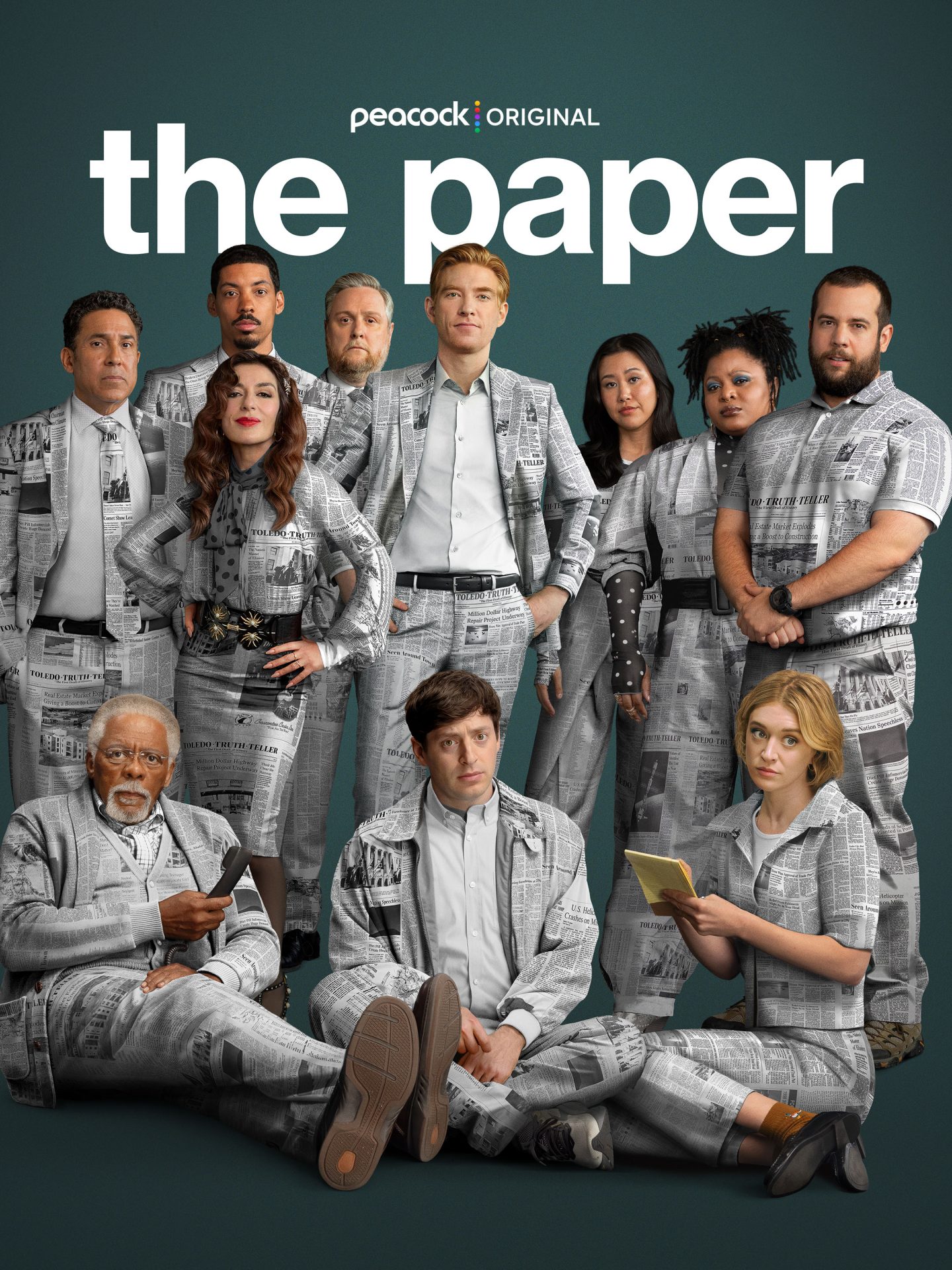
last night, four days after The Paper dropped its entire second season, I started watching because I wanted to. I also started watching because some small, unpaid Peacock employee living inside my brain had begun shouting that the show needed my numbers immediately.
why do I feel forced to watch streaming shows i like within the first week they’re out for n fear that low first week numbers will cause the algorithm to cancel it?
this is a strange new relationship with television. I am no longer simply deciding whether I feel like watching a show. I am being asked, or at least gently haunted, to demonstrate that the show deserves to continue existing.
the premiere is now a performance review
The Paper released all ten season-two episodes on Peacock on September 9. That is convenient if you want to spend a weekend at the Toledo Truth Teller. It is less convenient if your preferred television schedule is “eventually, after I finish the other eleven things everyone released on Thursday.”
A weekly show can slowly become part of your life. A binge release arrives like a pallet on the loading dock. Please process the complete shipment while it is still considered culturally fresh.
Streamers do not all disclose the same decision-making formula, and one household pressing play four days late is not a tiny executioner standing beside a cancellation button. Still, the industry has trained us to understand viewing as a vote. In its July 2026 engagement report, Netflix described engagement around the moment someone chooses a title and stays to watch; it reported more than 97 billion hours watched in the first half of the year.
The numbers get enormous very quickly. Nielsen’s 2026 midyear streaming report ranks successful shows in billions of minutes and describes a new class of originals through their measured viewing. That is useful industry data. It also means viewers now encounter television surrounded by the language of quarterly results.
Nielsen’s top overall streaming titles for the first half of 2026. Image: Nielsen.
fandom has become an unpaid internship
If you like a small comedy, a queer show, a weird genre series, or anything else that does not arrive pre-certified as a global event, watching can feel less like leisure and more like constituent services. You watch early. You let the credits run. You tell friends. You make a post. You consider putting “stakeholder engagement” on LinkedIn.
The platform does not need to send a push notification saying this program’s continued employment depends on you. We have seen enough beloved shows vanish after one or two seasons to write the notification ourselves.
And because the actual renewal calculus is private, there is no moment when the assignment is complete. Was starting within four days fast enough? Do I need to finish this weekend? Does rewatching help? Was pausing to make dinner an act of industrial sabotage?
I would like to return to merely watching television
I do not want every show I like to become a civic obligation. I want to watch The Paper because Sabrina Impacciatore is doing something ungovernable on my television, not because I have appointed myself to Peacock’s programming committee.
But I did start season two. four days after release. while publicly complaining about feeling forced to start season two.
the algorithm will be pleased to note that its employee remains highly engaged.
Images from Peacock/NBCUniversal, Netflix, and Nielsen, used editorially.
somebody has to announce they have arrived, somebody has to react with a heart, and somebody has to send the screenshot. Read more →
the group chat is where adulthood quietly moved its public square. not the glamorous parts, obviously. the group chat is largely weather complaints, grocery photos, and the collective management of a restaurant reservation nobody wanted to make.
it still performs essential services. it witnesses a bad day. it confirms that a suspicious text is suspicious. it keeps a small but functional archive of jokes that would otherwise have evaporated the moment they were said.
there is always a person who posts the news, a person who posts the meme about the news, and a person who arrives six hours later with a very sincere question that was answered directly above them. democracy survives anyway.
maybe that is why i am protective of it. the group chat asks very little: show up when you can, say something strange, and do not make the shared calendar a hostage situation.
the cloud keeps promising my movie collection is safe, then asks me to download it before i can watch it. Read more →
the modern arrangement for owning a video is very polite until you ask it to behave like ownership. the file is in the cloud. the cloud is everywhere. the cloud will absolutely need several minutes alone with the file before it can show it to you.
this is why a local library still feels faintly revolutionary. not because i am trying to recreate a server room in my apartment, although any external hard drive immediately develops the emotional gravity of a server room. it is because pressing play should not begin a negotiation.
i like a service that remembers where i was, offers subtitles, and does not make me think about codecs. i also like knowing that the thing i saved is still there if a licensing deal, a redesign, or a very confident progress bar changes its mind.
after roughly twelve to fourteen hours, Yash handed Drew the #BB28 veto in exchange for safety promises. this should age calmly and… Read more →
live-feed spoilers for Big Brother 28 through Sunday morning, September 13.
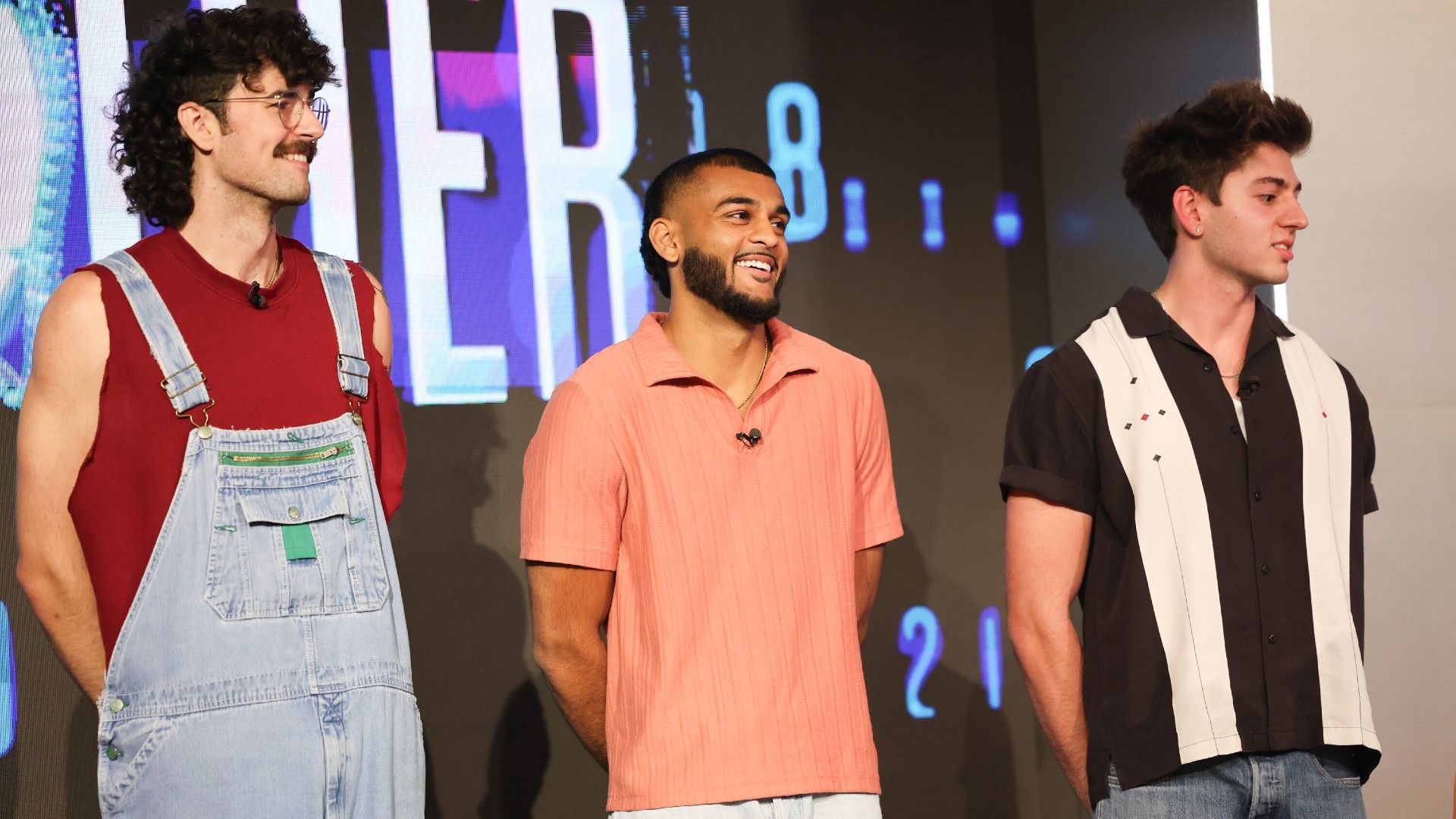
Yash and Drew stayed attached to a movie-promo lie detector until approximately the end of time, and then Yash traded the veto away for two promises. this is the kind of decision that looks either visionary or deeply embarrassing depending on which thirty seconds of Thursday you freeze-frame.
no deal made in a pressure cooker-like comp has Ever backfired, lol #bb28
Yash’s Week 10 nominations were Barrett, Drew, and Melody. Dee and Devens joined them in the final veto draw, and the competition turned into an endurance marathon that ran somewhere in the neighborhood of twelve to fourteen hours.
Hamsterwatch’s September 12 live-feed recap has the drop order as Dee, Melody, Devens, and Barrett, leaving Drew and Yash. At roughly 2:48 a.m. Pacific, Yash accepted Drew’s pitch and dropped, making Drew the veto winner.
Yash Patel and Drew Campbell with fellow houseguests. Photo: CBS, via AOL.
In exchange, Drew promised:
not to vote Taylor out if she is on the block Thursday
not to nominate Yash during Drew’s next HOH, either initially or as a replacement nominee, even if keeping that promise means sacrificing Melody
the deal is stranger than it first sounds
Yash is already HOH, so the veto did not offer him personal safety. It offered control. Because Dee’s BB Bribe protects Dee and Devens from a Yash nomination this week, Drew using the veto on himself appears to leave Taylor as the only available replacement nominee.
So Yash effectively allowed the sequence that puts Taylor on the block, then bought a promise from Drew not to evict her. very normal. structurally elegant. no loose wires visible anywhere.
But the deal makes more sense if Yash believed Drew was going to outlast him anyway. Dropping without a deal gives Drew the veto and Yash nothing. Dropping with a deal gives Yash one vote protecting Taylor and possible safety during a future Drew HOH. The question is not whether the deal was perfect. The question is whether Yash sold something he was already about to lose.
Drew Campbell. Photo: CBS, via Parade.
Drew got the cleaner end of it
Drew gets immediate safety, the power to force a replacement nominee, and a deal that asks him to protect Yash only during his next HOH. The Taylor promise matters this week, but it is still just one vote in a week where the final nominees are not settled until the Block Buster is over.
The most interesting clause is Melody. Drew reportedly agreed that Yash’s safety would hold even if Melody had to go up instead. That is a future loyalty test Yash may never need to collect, but Drew agreed to it while exhausted and inches from winning the veto outright. contracts signed inside endurance competitions should probably come with a three-business-day rescission period.
if Yahs felt he could have stayed in it much longer, he wouldn’t have taken the deal—or at least that Better be what a DR says on Wednesday #bb28
For now, Drew has the veto, Yash has two promises, and Taylor has the privilege of possibly touching the block as part of someone else’s protection plan. My final-seven rankings already needed revision; they have now filed the paperwork themselves.
Photo attribution: CBS promotional and episode imagery, used editorially via AOL and Parade.
sleep is essential, automatic, and apparently unavailable whenever the brain notices you are counting on it. Read more →
i reblogged “sleep is not normal to want and impossible to achieve” because it is the cleanest available description of a system that becomes less cooperative the more urgently you need it.
sleep is supposedly the passive activity. you lie down, close your eyes, and stop participating. this would be very convenient if the brain did not interpret “please stop participating” as a request for the complete director’s commentary on every awkward interaction since middle school.
during the day, i can want sleep with the uncomplicated intensity of a Victorian child staring through a bakery window. then bedtime arrives, the product is available, and suddenly my body would like to review tomorrow’s calendar, my long-term prospects, one noise the air conditioner made in 2024, and whether i have ever been normal in a grocery store.
Photo: National Heart, Lung, and Blood Institute, National Institutes of Health.
the official definition is almost offensively polite. the National Heart, Lung, and Blood Institute describes insomnia as trouble falling asleep, staying asleep, or getting good-quality sleep even when there is enough time and the right environment. yes, thank you, that is the administrative summary. the lived version is negotiating with a pillow as if it has access to a lever marked UNCONSCIOUS.
sleep advice also has a particular tone. keep a schedule. make the room cool and quiet. avoid caffeine late in the day. turn off electronics before bed. all reasonable. all delivered as though i have not already transformed the bedroom into a controlled laboratory where the only uncontrolled variable is the patient.
Your Guide to Healthy Sleep, via the National Heart, Lung, and Blood Institute.
and then there is the final indignity: trying harder is not a useful sleep position. you cannot clench your way into unconsciousness. every check of the clock becomes an unsolicited progress report. six hours remaining. five hours and thirty-eight minutes remaining. congratulations, you have unlocked arithmetic.
this is not me issuing medical advice from underneath a blanket. persistent sleep problems are worth discussing with a healthcare professional, especially because poor sleep can interfere with attention, memory, mood, and daily life. it is merely an acknowledgment that sleep occupies a strange category: essential maintenance that must happen naturally, on schedule, under observation, without you appearing to care too much.
perfectly normal. no notes. see everyone again tonight for the mandatory meeting i remain unable to attend.
Jordan Sullivan’s American Communion turns one 1998 Galveston balcony photograph into a small argument about memory, community, and what a camera preserves… Read more →
i stopped on American Communion because the painting looks like a memory that has already decided what it means.
Eight hotel balconies stack into a rough grid. People lean over railings, look up, look down, and occupy the architecture like the building has briefly agreed to become part of the party. In the upper-right corner, a man reaches down to pour a drink into a cup held up from the balcony below. It is an absurdly precise form of community service.
Jordan Sullivan, American Communion, acrylic on canvas, 2026. Shown for commentary; image via the artist and the originating Tumblr thread.
Then the Tumblr thread supplies the photograph.
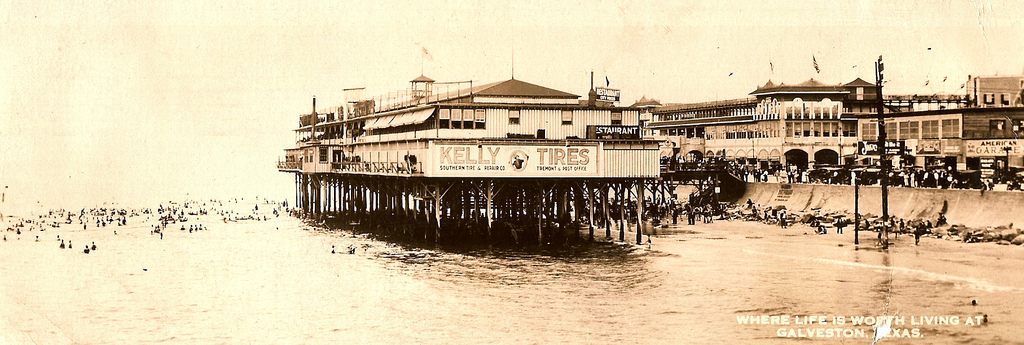
The source image was taken at the Kappa Beach Party in Galveston in 1998. The balconies are there, the people are there, and the cross-floor beverage delivery is there. Sullivan did not invent the composition so much as recognize that a snapshot had been quietly carrying one around for nearly three decades.
The post had passed 51,000 notes when it reached me, and i think part of the response comes from the satisfying click between image and origin. The painting feels mythic; the photograph says, no, somebody really did this. Somebody looked over a railing, assessed the distance, and decided gravity could help with hospitality.
The 1998 Galveston Kappa Beach Party photograph that inspired American Communion. The photographer is not identified in the circulating archival post; image reproduced for commentary via Tumblr.
a photograph is not the opposite of a painting
Sullivan changes the scene. In the photograph, a group of younger women occupy the lower balcony. In the painting, the raised cup belongs to one older woman. Faces soften into color and gesture. The hotel becomes less a particular building than a vertical neighborhood that exists for exactly one pour.
That is not a failure of documentary accuracy. It is the work. The photograph records who was there; the painting asks what the exchange can hold after the names are gone.
Sullivan describes American Communion as part of his ongoing American Psychosis series. His broader portfolio repeatedly turns found-looking American scenes into something between evidence, dream, and indictment. This one lands differently. The title makes a tiny party maneuver sound sacramental, and the painting earns it. The cup passes through open air like a secular ritual: i have enough, you are within reach, hold still.
the internet is also an archive, unfortunately
The Tumblr commentary frames the original as an iconic image in Black conversations about ’90s nostalgia and socializing before phones. That context matters more than my own recognition of the scene. I did not attend this party, and nostalgia is not improved by pretending every viewer owns it equally.
I also do not want to make the photograph perform the usual anti-phone morality play. Cameras were already present; that is why the moment survived. People in 1998 were not more authentic because the upload button had not yet been installed in every pocket. They were simply living before each gesture arrived with a distribution plan.
The important difference may be that this image feels observed instead of produced. Nobody appears to be demonstrating community for an audience. The photographer caught a social system already operating: balconies became porches, strangers became neighbors, and one plastic cup briefly became infrastructure.
The thread also exposes the internet’s strange archival bargain. The photograph can circulate widely enough to inspire a painting, prompt recognition, and bring thousands of people into a shared memory. It can do all of that while the photographer’s name falls away. Preservation without provenance is still a kind of loss.
There are more formal archives around the edges. An account devoted to the Kappa Beach Party’s history dates the event to 1982. Galveston’s own historical foundation documents a much longer Black relationship with the island’s waterfront, including the segregated beach, Black-owned businesses that served visitors, and the people who fought to open public accommodations. The 1998 party did not materialize on an empty strip of sand. It belonged to a place with a deep, contested history of who was allowed to gather, rest, and be visible there.
American Communion does not explain all of that, and it should not have to. It gives one ordinary, ridiculous, generous gesture enough weight to survive another format. A photograph became a painting, the painting sent people back to the photograph, and the internet briefly remembered that reposting can be more than moving an image around.
Sometimes it is how a picture finds its story again.
a backlog is only embarrassing if you believe every game you own is waiting beside the door with a tiny clipboard. Read more →
there is a specific kind of guilt that arrives when you open a game library and see the little grid of unfinished things. not a dramatic guilt. nobody is injured. it is more like the feeling of owning three unread books and briefly suspecting you have committed a crime against literature.
i am trying to reject the premise that a backlog is a to-do list. a to-do list is where i put things that will make somebody send another email. a game library is where i put worlds i may want to visit when the actual one has asked a little too much of me.
the Steam Deck is especially good at this distinction. it does not make a game into homework just because it is portable. it lets a forty-minute wandering session be enough. a game can be a place you return to, not a project plan with an estimated completion date.
there are games i will finish, games i will quit with affection, and games i will keep installed because i like knowing they are nearby. that is not failure. that is a library doing its job.