

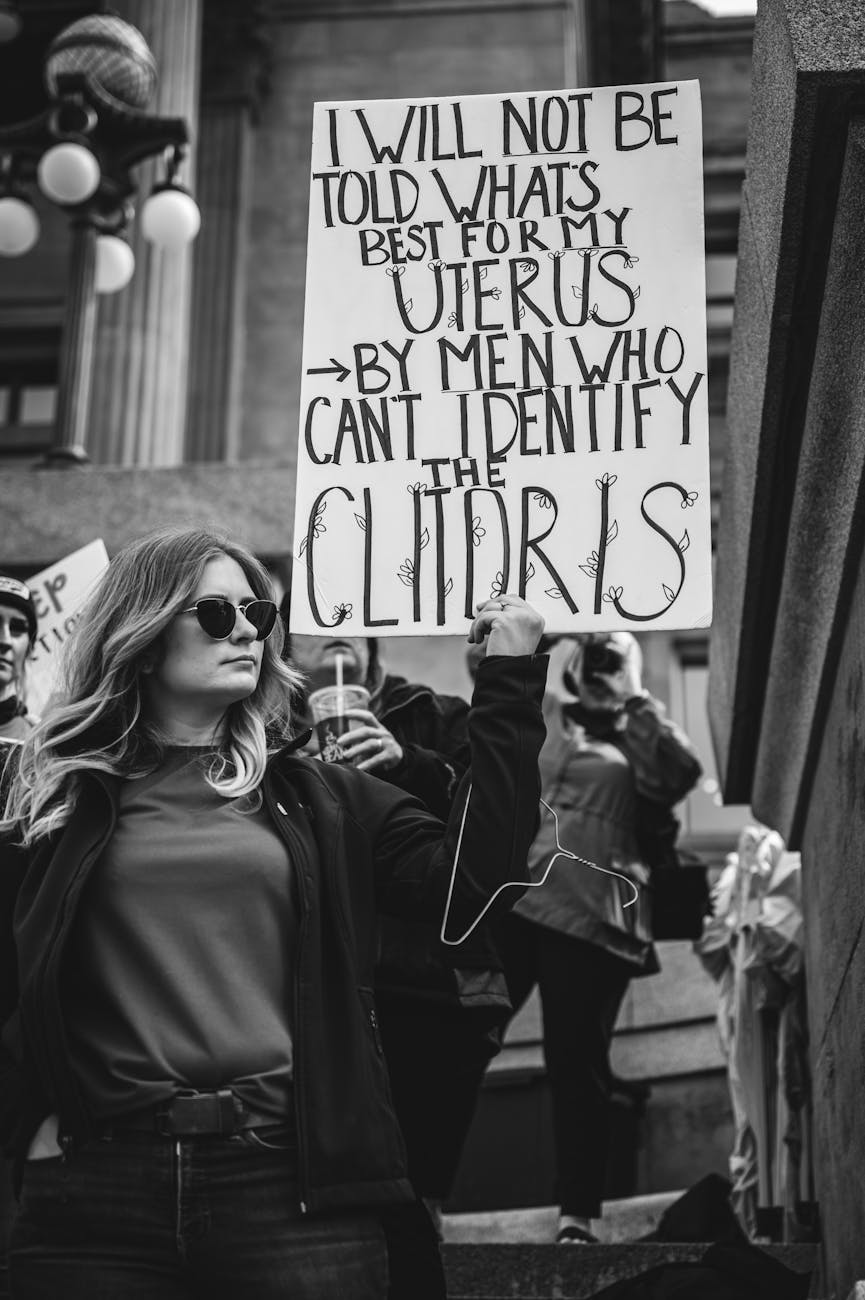
The Foundation of Bodily Autonomy in Early American Governance
The history of reproductive rights in the United States is not a linear progression toward liberalization, but rather a complex cycle of autonomy, institutional criminalization, federal protection, and eventual fragmentation. In the earliest periods of American history, spanning from the colonial era through the mid-nineteenth century, the regulation of reproduction was governed by English common law traditions that prioritized a pragmatic understanding of gestation. During this period, abortion was generally legal until the point of “quickening”—the moment a pregnant individual first perceived fetal movement, typically occurring between the sixteenth and twentieth weeks of pregnancy.1 This threshold reflected a social and legal consensus that life was a progressive development rather than an instantaneous event.
Within this framework, reproductive healthcare remained almost exclusively within the domestic and communal spheres of women. Midwives, often utilizing a sophisticated body of herbal and botanical knowledge, provided care that included both the facilitation of birth and the induction of “menses” through the use of emmenagogues.2 In the context of American slavery, this autonomy was a site of profound resistance. Enslaved women, subjected to the economic imperatives of slaveholders who viewed their reproductive capacity as a source of capital, utilized traditional herbal knowledge to manage their fertility and resist the forced expansion of the labor force.2 This early period illustrates a decentralized, community-based model of reproductive management that was largely free from the intervention of formal state or medical institutions.
The shift toward regulation began in the 1820s, with Connecticut passing the first statutory restriction in 1821.2 These initial laws, however, were not framed as moral condemnations of abortion. Instead, they were often categorized as “poison control” measures, intended to protect women from the increasingly common and often toxic patent medicines marketed by unregulated entrepreneurs.2 The transition from communal midwifery to state-regulated medicine would eventually redefine the legal status of the fetus and the pregnant person.
The Professionalization of Medicine and the Crusade for Criminalization
The mid-nineteenth century marked a structural shift in the delivery of reproductive healthcare as the newly professionalizing medical community sought to establish dominance over the healthcare market. This movement, led by the American Medical Association (AMA) and figures such as Dr. Horatio Storer, initiated a “physicians’ crusade” against abortion.1 Storer and his contemporaries argued that the common law “quickening” standard was scientifically inaccurate and that abortion should be prohibited from the moment of conception unless medically necessary to save the life of the mother.1
This medical advocacy was inextricably linked to professional competition. By advocating for the criminalization of abortion, male physicians effectively marginalized midwives—who were primarily women and often immigrants—by branding their practices as unscientific and criminal.2 This campaign successfully repositioned the physician as the moral and legal arbiter of reproductive decisions. By the late nineteenth century, the professional interests of the medical community converged with broader social anxieties regarding the changing demographics of the American population and the emerging women’s rights movement.2
| Decade | Predominant Legal Standard | Regulatory Objective | Primary Practitioners |
| 1770s-1820s | Legal pre-quickening | Traditional communal norms | Midwives, communal healers 2 |
| 1830s-1850s | Emerging statutory bans | Poison control; consumer protection | Transitioning to male physicians 2 |
| 1860s-1880s | Broad criminalization | Professional monopoly; social control | Licensed physicians 2 |
| 1890s-1910s | Total state prohibitions | Eugenics; demographic engineering | Hospital-based clinicians 3 |
The criminalization of abortion was also fueled by the rise of the eugenics movement and white supremacist ideologies. Lawmakers and medical professionals expressed concern that the declining birth rate among white, Protestant, native-born women—compared to the higher birth rates of immigrant and minority populations—threatened the racial and social order of the nation.2 Consequently, by the end of the nineteenth century, every state in the Union had enacted laws that essentially banned abortion except in extreme medical circumstances, effectively ending the era of common law autonomy.1
The Comstock Era and the Bureaucratization of Morality
The most pervasive federal intervention into reproductive life occurred with the passage of the Comstock Act of 1873. Officially titled “An Act for the Suppression of Trade in, and Circulation of, Obscene Literature and Articles of Immoral Use,” the law was the result of intense lobbying by Anthony Comstock, the founder of the New York Society for the Suppression of Vice.5 The Act prohibited the use of the U.S. Postal Service or interstate commerce to distribute “obscene” materials, a category that Comstock successfully expanded to include any information or devices related to contraception and abortion.5
The Comstock Act transformed the federal government into a “moral purity” police force. Comstock himself was appointed as a special agent of the Post Office, wielding the power to arrest individuals and seize materials he deemed offensive.6 This federal mandate inspired twenty-four states to pass “little Comstock laws,” which further restricted the manufacture, sale, and distribution of contraceptives within their borders.5 New York’s statute was particularly severe, prohibiting even the private verbal dissemination of birth control information.6
This period created a regime of profound silence and danger. For the wealthy, birth control and safe (albeit technically illegal) abortions remained accessible through private physicians and international travel.6 However, for low-income and immigrant women, the Comstock laws meant that reproductive information was suppressed, leading to high rates of unwanted pregnancies and a reliance on dangerous, “back-alley” procedures or toxic household products used as abortifacients.6 The legal system during this era did not distinguish between pornography and medical information, a fusion that delayed the development of public health infrastructure for family planning for nearly a century.5
Margaret Sanger and the Radical Birth Control Movement
The challenge to the Comstock regime was spearheaded by Margaret Sanger, a nurse whose experiences on the Lower East Side of New York City radicalized her views on reproductive autonomy. Sanger witnessed firsthand the devastating health outcomes of repeated pregnancies and botched abortions among the poor, leading her to conclude that the ability to control family size was essential for the economic and physical liberation of women.3 In 1914, she coined the term “birth control” and began publishing The Woman Rebel, a feminist journal that dared to advocate for contraceptive access.3
Sanger’s strategy was one of deliberate civil disobedience. By opening the first birth control clinic in the United States in Brownsville, Brooklyn, in 1916, she forced a legal confrontation with the state.5 Although the clinic was raided and Sanger was imprisoned, her legal battle yielded a significant victory in the 1918 Crane decision. The New York Court of Appeals ruled that physicians could provide contraceptive advice if it was for the purpose of “curing or preventing disease”—a broad therapeutic loophole that Sanger used to open the Clinical Research Bureau in 1923, the precursor to Planned Parenthood.3
| Key Legal Milestones (Early 20th Century) | Year | Resulting Legal Shift |
| People v. Sanger (Crane Decision) | 1918 | Physicians allowed to prescribe birth control for medical use 7 |
| American Birth Control League Founded | 1921 | Formalization of the movement 9 |
| U.S. v. One Package | 1936 | Federal courts permit the mailing of contraception to doctors 5 |
| AMA Recognition of Contraception | 1937 | Birth control becomes a standard part of medical practice 7 |
Despite her contributions, Sanger’s legacy is complicated by her tactical alliance with the eugenics movement. In an effort to gain mainstream support for birth control, she occasionally utilized the rhetoric of “population control” and “breeding out” undesirable traits.3 While historians debate whether this was a pragmatic political maneuver or a genuine ideological alignment, the association provided a tool for later critics to stigmatize reproductive rights organizations.3 Nevertheless, the Sanger era succeeded in shifting birth control from a “vice” issue to a “medical” issue, setting the stage for constitutional reform.
The Jurisprudence of Privacy: Griswold to Eisenstadt
The transition from medicalized exceptions to constitutional rights occurred through a series of mid-century Supreme Court decisions that recognized an implicit right to privacy. The landmark case Griswold v. Connecticut (1965) addressed an 1879 Connecticut law that criminalized the use of contraceptives, even by married couples.5 Estelle Griswold, the executive director of Planned Parenthood League of Connecticut, and Dr. C. Lee Buxton were arrested for providing birth control to married individuals, creating a test case for the Court.11
The Supreme Court’s 7-2 decision striking down the law introduced the “penumbra” theory of constitutional rights. Justice William O. Douglas argued that although the word “privacy” does not appear in the Constitution, it is created by “emanations” from the First, Third, Fourth, Fifth, and Ninth Amendments.5 This “zone of privacy” protected the “sacred precincts of the marital bedroom” from state intrusion.10 The Griswold decision established that certain personal decisions are “fundamental” and cannot be denied without violating principles of liberty and justice.11
However, the right recognized in Griswold was initially tethered to the institution of marriage. This limitation was challenged in Eisenstadt v. Baird (1972), which involved a Massachusetts law that prohibited the distribution of contraceptives to unmarried people.5 The Court, relying on the Equal Protection Clause of the Fourteenth Amendment, ruled that the state could not discriminate between married and single individuals in matters of reproductive choice.13 Justice William Brennan articulated the core principle that would later underpin Roe v. Wade: the right to privacy is an individual right to be free from unwarranted governmental intrusion into decisions regarding whether to “bear or beget a child”.12
Roe v. Wade and the Trimester Framework
The culmination of the privacy-based legal strategy occurred on January 22, 1973, with the decision in Roe v. Wade. The case challenged a Texas law that banned abortion except to save the life of the mother.2 In a 7-2 ruling, the Court held that the “right of privacy… founded in the Fourteenth Amendment’s concept of personal liberty” was “broad enough to encompass a woman’s decision whether or not to terminate her pregnancy”.2
To balance the pregnant individual’s right to privacy against the state’s interests in protecting maternal health and “potential life,” the Court established a rigid trimester framework:
- First Trimester: The abortion decision is essentially private; states may not interfere with the physician-patient relationship.2
- Second Trimester: The state may regulate the abortion procedure, but only in ways that are reasonably related to the protection of maternal health.10
- Third Trimester: Once the fetus reaches “viability” (roughly 24 to 28 weeks), the state’s interest in potential life becomes “compelling.” At this point, states may regulate or even prohibit abortion, provided there are exceptions for the life or health of the mother.5
| Trimester | State Interest | Level of Permitted Regulation |
| First (0-12 weeks) | Minimal | None, except requiring a licensed physician 10 |
| Second (13-24 weeks) | Maternal Health | Reasonable health-related regulations 10 |
| Third (Post-Viability) | Potential Life | Full prohibition allowed with health exceptions 15 |
The Roe decision invalidated criminal abortion laws across the country, transforming the legal landscape overnight. However, by grounding the right in the “right to privacy” rather than “equal protection,” some legal scholars argue the Court left the right vulnerable to shifting political and judicial philosophies.16
The Hyde Amendment and the Economics of Access
The national legalization of abortion triggered an immediate political backlash, resulting in the use of legislative funding mechanisms to restrict access for the most vulnerable populations. In 1976, Representative Henry Hyde (R-IL) introduced the Hyde Amendment, a “rider” to the annual appropriations bill for the Department of Health and Human Services.19 The amendment prohibited the use of federal Medicaid funds for abortion, with extremely narrow exceptions for the life of the mother, and later, for rape and incest.20
The Supreme Court upheld the constitutionality of the Hyde Amendment in Harris v. McRae (1980), establishing a distinction between the “right” to an abortion and the “entitlement” to have the government pay for it.10 This ruling created a two-tiered system of reproductive rights. For those with private insurance or independent wealth, Roe’s protections were substantial. For the millions of individuals reliant on Medicaid—disproportionately low-income people and people of color—the right to abortion became functionally inaccessible.20
| Population | Impact of Hyde Amendment | Median Cost of Procedure (2021) |
| Medicaid Enrollees | Federal coverage prohibited 21 | N/A (Out-of-pocket required) |
| Low-Income Individuals | 37% lack $400 for emergencies 21 | $568 (Medication) / $625 (Procedural) 21 |
| Military Personnel | Restricted to life/rape/incest 22 | Significant travel costs ($600+) 22 |
The Hyde Amendment has been renewed by Congress every year since 1976, and its language has been incorporated into nearly all federal healthcare programs, including the Indian Health Service, the Peace Corps, and the Veterans Affairs healthcare system.21 This policy has served as a primary model for “chipping away” at reproductive rights without needing to overturn Roe directly.
The Rise of the Religious Right and the New Right Coalition
The political landscape surrounding reproduction was fundamentally altered by the emergence of the “Religious Right” in the late 1970s. Prior to this, many conservative Protestants, including the Southern Baptist Convention, had maintained a relatively indifferent or even supportive stance toward abortion reform.4 However, conservative political strategists such as Paul Weyrich and Richard Viguerie identified abortion as a “potent” issue that could unify disparate groups of Catholics and Evangelicals into a powerful voting bloc.4
In 1979, Reverend Jerry Falwell founded the Moral Majority, a political organization dedicated to promoting “pro-family” values, which included a staunch opposition to abortion.4 The Moral Majority and its successors, such as Pat Robertson’s Christian Coalition, framed abortion not as a matter of healthcare or privacy, but as a symbol of “secular humanism” and national moral decay.4 This movement successfully pushed the Republican Party to abandon its traditionally libertarian views on personal privacy and adopt an explicitly anti-abortion platform.16
The mobilization of the Religious Right transformed the abortion debate from a legal dispute into a cultural war. By utilizing television ministries and direct-mail campaigns, these organizations created a base of “single-issue voters” who prioritized the appointment of anti-abortion judges to the federal bench.4 This long-term judicial strategy would eventually provide the institutional muscle needed to dismantle the Roe framework.
Planned Parenthood v. Casey and the “Undue Burden” Standard
The stability of the Roe trimester framework was permanently disrupted by the 1992 decision in Planned Parenthood of Southeastern Pennsylvania v. Casey. The case involved several Pennsylvania restrictions, including a 24-hour waiting period and spousal notification.2 In a fractured plurality opinion, the Court reaffirmed the “central holding” of Roe—that states cannot ban abortion before viability—but it abandoned the trimester framework and replaced it with a much more permissive “undue burden” standard.10
Under the “undue burden” test, a state regulation is unconstitutional only if its “purpose or effect is to place a substantial obstacle in the path of a woman seeking an abortion before the fetus attains viability”.10 This standard was significantly more ambiguous than Roe’s strict scrutiny and invited states to implement a wide array of restrictions that were previously impermissible.17 For example, the Court in Casey upheld the 24-hour waiting period and parental consent requirements but struck down the spousal notification provision as an “undue burden” because it might subject women to domestic violence.10
| Legal Test | Precedent Case | Level of Judicial Review | Burden of Proof |
| Strict Scrutiny | Roe v. Wade (1973) | Highest | On the state to prove necessity 10 |
| Undue Burden | Casey (1992) | Intermediate/Amorphous | On the plaintiff to prove “substantial obstacle” 10 |
| Rational Basis | Dobbs (2022) | Lowest | Law is valid if “rationally related” to state interest 29 |
The Casey decision emboldened state legislatures to engage in “incrementalism,” passing small restrictions year after year that gradually made the right to abortion a “hollow shell” for many people.19
TRAP Laws and the Strategy of Clinic Attrition
Following the 2010 midterm elections, which saw a surge of conservative control in statehouses, the anti-abortion movement adopted a tactical shift toward Targeted Regulation of Abortion Providers (TRAP) laws.31 These regulations were designed not to prohibit the procedure, but to make it logistically and financially impossible for clinics to remain in operation.32 Politicians often framed these laws as “women’s health” protections, though medical organizations such as the AMA and ACOG repeatedly clarified that they were medically unnecessary.32
TRAP laws typically included requirements such as:
- Ambulatory Surgical Center (ASC) Standards: Mandating that clinics renovate their facilities to meet the specifications of a hospital, including hallway widths and air filtration systems, even for medication abortions.31
- Admitting Privileges: Requiring clinic physicians to have active admitting privileges at a local hospital. This was a “catch-22” because abortion is so safe that clinics rarely have enough hospital admissions to meet hospital quotas for maintaining privileges.32
- Distance Requirements: Specifying that clinics must be located within a certain number of miles from a hospital, which disproportionately affected rural providers.31
The impact of these laws was devastating to the reproductive healthcare infrastructure. In Texas, for example, the passage of HB2 led to the closure of more than half of the state’s clinics within two years.2 This “geographic redistribution” of rights meant that in many Southern and Midwestern states, only a single clinic remained open, forcing patients to travel hundreds of miles, take time off work, and secure childcare to access a constitutionally protected procedure.18
The Roberts Court and the Erosion of Health Exceptions
The final phase of judicial erosion before the total reversal of Roe occurred through the dismantling of the “health exception.” Since Roe, the Court had consistently required that any abortion regulation must contain an exception for the life and health of the mother.10 This principle was reaffirmed in Stenberg v. Carhart (2000), which struck down a Nebraska ban on “partial-birth” abortions because it lacked such an exception.10
However, in Gonzales v. Carhart (2007), a newly reconstituted Supreme Court with Chief Justice John Roberts and Justice Samuel Alito upheld a nearly identical federal ban.2 The Court’s majority argued that in the face of “medical uncertainty” about whether the procedure was ever necessary to preserve health, the legislature could act without providing a health exception.26 This ruling was significant because it was the first time since Roe that the Court prioritized a state’s moral or ethical interest in “fetal life” over a physician’s judgment regarding a patient’s health.27
Furthermore, the Gonzales decision introduced a paternalistic rationale, with Justice Anthony Kennedy suggesting that some women might come to “regret” their abortions, thus justifying state interference to protect them from their own decisions.27 This reasoning provided a psychological framework for future restrictions that had little to do with traditional medical safety.
The Overturning of Roe: Dobbs v. Jackson
The long-term strategy of the anti-abortion movement culminated on June 24, 2022, with the Supreme Court’s decision in Dobbs v. Jackson Women’s Health Organization. The case involved a Mississippi law that banned nearly all abortions after 15 weeks, a direct violation of the viability standard established in Roe and Casey.5 The Court’s conservative majority, bolstered by three appointees from the first Trump administration, took the historic step of not only upholding the Mississippi ban but entirely overturning the federal constitutional right to abortion.5
Writing for the majority, Justice Samuel Alito argued that Roe was “egregiously wrong from the start” because the right to abortion is not “deeply rooted in this Nation’s history and tradition”.13 By declaring that “the Constitution does not confer a right to abortion,” the Court returned the authority to regulate or ban the procedure to individual states.5 This decision marked the first time the Supreme Court had revoked a previously recognized fundamental right.18
| Legal Status Post-Dobbs | Mechanism | Current Landscape |
| Trigger Bans | Pre-existing laws activated by Dobbs | Immediate prohibition in ~14 states 2 |
| Protective Amendments | Voter-led ballot initiatives | Rights secured in MI, OH, KS, CA 2 |
| Shield Laws | Executive orders and legislation | Protection for providers in ~22 states 38 |
The Dobbs decision created an immediate healthcare crisis, as “trigger laws” in numerous states went into effect, forcing clinics to cease operations while patients were still in waiting rooms.2 Within two years, more than twenty states had enacted total or six-week bans, effectively creating a “reproductive desert” in the American South and Midwest.21
The New Frontier: Medication Abortion and Telehealth
In the wake of Dobbs, the fight for reproductive autonomy has largely moved from physical clinics to the digital and pharmacological realms. Medication abortion, using a combination of mifepristone and misoprostol, has become the primary method for terminating early pregnancies, accounting for 63% of all U.S. abortions by 2024.2 This shift has been facilitated by the rise of “virtual clinics” and telehealth services, which allow patients to receive prescriptions and medications via mail.2
However, this new frontier is under intense legal attack. Anti-abortion groups have filed litigation to reverse the FDA’s long-standing approval of mifepristone, and many states have passed laws specifically banning the mailing of abortion pills.2 Furthermore, there is a burgeoning movement among conservative policymakers to revive the 1873 Comstock Act to criminalize the mailing of abortion-related materials nationwide, which would effectively serve as a national ban regardless of state law.2
| Feature | Virtual Clinic (Telehealth) | Brick-and-Mortar Clinic |
| Share of Medication Abortions | 24% and growing 40 | Decreasing |
| Median Cost | ~$150 40 | ~$600 40 |
| Primary Legal Risk | Mailing bans; Comstock Act 2 | Physical TRAP laws; protests 43 |
Telehealth has also introduced new challenges regarding data privacy. Patients in restrictive states who seek care online are vulnerable to digital surveillance, as their search history, location data, and communication with providers can potentially be used as evidence in criminal prosecutions.39
Shield Laws and the Conflict of Inter-State Jurisdiction
As some states moved to ban abortion, others enacted “shield laws” to protect their residents and healthcare providers from out-of-state legal actions. Currently, twenty-two states and Washington, D.C., have implemented some form of shield protection.38 These laws generally prohibit state officials from cooperating with out-of-state subpoenas, search warrants, or extradition requests related to reproductive healthcare that is legal in the “safe haven” state.38
These laws have created a profound jurisdictional conflict. For example, a doctor in Massachusetts might provide a telehealth consultation and mail medication to a patient in Texas. Under Massachusetts shield law, the doctor is protected from Texas’s “bounty hunter” laws or criminal prosecution.38 However, if that doctor travels to a state without shield protections, they could potentially be arrested. This “era of interstate conflict” has fundamentally challenged the concept of “full faith and credit” between states.39
| Shield Category | Protections Offered | Participating States (Ex.) |
| Professional Shield | Protects medical licenses from out-of-state discipline | MA, NY, CA 38 |
| Data Privacy | Limits sharing of health/location data with out-of-state LE | VT, WA, CO 41 |
| Telehealth Shield | Explicitly covers care provided across state lines | 8 States (incl. MA) 38 |
The future of these laws is uncertain, as they face constitutional challenges based on the Commerce Clause and the right to travel. Nonetheless, they represent a critical defense for the 56% of telehealth providers who now operate under these protections.39
The Impact on Medical Education and the OB/GYN Workforce
The fragmentation of abortion law has had a catastrophic impact on medical training and the broader healthcare workforce. Since Dobbs, approximately half of all OB/GYN residency programs in the United States are located in states where abortion is banned or severely restricted.44 This means that thousands of future physicians are being trained without access to comprehensive reproductive healthcare experience, which is essential not only for abortion but for managing miscarriages and ectopic pregnancies.43
As of 2024, only 19% of residency programs in ban states have successfully established “traveling fellowships” to send their residents to legal states for training.44 This disruption is causing a “brain drain” in restrictive states. Surveys indicate that 81% of medical students consider abortion access when choosing where to apply for residency, and many physicians are choosing to leave ban states to avoid the risk of criminal prosecution for providing emergency care.44
| Residency Program Location | Number of Programs | Access to Local Abortion Training |
| States with Total Bans | 57 | ~19% via out-of-state partnerships 44 |
| States with 6-Week Bans | 84 | ~17% via out-of-state partnerships 44 |
| Protective States | Hundreds | 100% |
This workforce crisis is expected to worsen maternal health outcomes in states that already have the highest poverty and mortality rates. The closure of clinics often means the loss of the only source of prenatal care and cervical cancer screenings for entire communities, particularly in rural areas.43
Mutual Aid and the New Underground Railroad
In the absence of federal protection, a robust network of mutual aid and practical support organizations has emerged to fill the gap. Groups like The Brigid Alliance and the National Network of Abortion Funds provide the logistical and financial support necessary for patients in restrictive states to travel to “access hubs” like Illinois, New Mexico, and Kansas.40
These organizations operate on the principle of “neighbors helping neighbors,” often providing:
- Logistical Support: Booking flights, buses, and hotels for individuals traveling hundreds of miles.45
- Financial Assistance: Covering the cost of the procedure itself, which has become increasingly expensive due to inflation and the closure of independent clinics.47
- Wraparound Care: Providing childcare, meal assistance, and emotional support during the journey.46
| Travel Metric (2020 vs. 2024) | 2020 | 2024 |
| Out-of-State Travel Rate | Baseline | Doubled 40 |
| Total Travelers | ~81,000 | ~170,000 44 |
| Average Travel Time (Ban State) | ~40 min | ~227 min 22 |
This new “underground” is both a humanitarian necessity and a political statement. However, these networks are under increasing strain as donations fluctuate and the volume of patients continues to rise.40 The reliance on private charity to secure a fundamental right underscores the current disintegration of the American social contract regarding bodily autonomy.
Conclusions and Future Outlook for 2026
The fight for reproductive rights in America has entered its most volatile phase in over a century. The dissolution of the Roe framework has replaced national consistency with a “patchwork” of rights that are contingent on state borders, economic status, and digital literacy. As the nation approaches 2026, several critical trends are poised to define the next decade of this struggle.
First, the use of direct democracy through ballot measures will remain a primary tool for advocates in restrictive states. Voters have consistently demonstrated a preference for reproductive freedom when the issue is presented independently of partisan candidates.2 However, anti-abortion legislatures are already responding by attempting to raise the thresholds for passing constitutional amendments.
Second, the battle over the Comstock Act will likely reach the Supreme Court. Whether the 1873 law can be used to ban the mailing of medical supplies in the 21st century will determine if the United States can maintain a “de facto” national ban without new federal legislation.2
Third, the healthcare infrastructure in the American South and Midwest is at risk of systemic collapse. The exodus of medical professionals and the closure of clinics will exacerbate maternal mortality and widen the already vast health disparities between “access” states and “restrictive” states.31
The history of reproductive rights is a testament to the fact that laws do not eliminate the demand for abortion; they only determine who has access to a safe procedure and who is forced to risk their life and liberty. The current era of fragmentation suggests that the struggle for bodily sovereignty will remain the central fault line of American constitutional and social life for the foreseeable future.
Works cited
- The History of Abortion Law in the United States – Vanderbilt Law School, accessed February 22, 2026, https://law.vanderbilt.edu/tracing-the-history-of-abortion-law-in-the-united-states/
- The History of Abortion Law in the United States | Our Bodies …, accessed February 22, 2026, https://ourbodiesourselves.org/health-info/u-s-abortion-history
- Margaret Sanger – National Women’s History Museum, accessed February 22, 2026, https://www.womenshistory.org/education-resources/biographies/margaret-sanger
- Race, Religion, and Reproductive Rights: Understanding the Conservative Anti-Abortion Movement in America | Imagine: A Promise & McNair Scholars Undergraduate Journal, accessed February 22, 2026, https://imagine.sa.ucsb.edu/issue/54/2025/race-religion-and-reproductive-rights-understanding-conservative-anti-abortion
- Reproductive Rights – Historical Society of the New York Courts, accessed February 22, 2026, https://history.nycourts.gov/democracy-teacher-toolkit/federalism/reproductive-rights/
- People v. Sanger and the – Historical Society of the New York Courts, accessed February 22, 2026, https://history.nycourts.gov/wp-content/uploads/2021/10/Judicial-Notice-Issue-09_People-v-Sanger.pdf
- A Timeline of Contraception | American Experience | Official Site – PBS, accessed February 22, 2026, https://www.pbs.org/wgbh/americanexperience/features/pill-timeline/
- National Birth Control League Forms | History | Research Starters – EBSCO, accessed February 22, 2026, https://www.ebsco.com/research-starters/history/national-birth-control-league-forms
- Margaret Sanger (1879-1966) | American Experience | Official Site – PBS, accessed February 22, 2026, https://www.pbs.org/wgbh/americanexperience/features/pill-margaret-sanger-1879-1966/
- U.S. Supreme Court Case Summaries: Griswold and Leading …, accessed February 22, 2026, https://reproductiverights.org/resources/u-s-supreme-court-case-summaries-griswold-and-leading-abortion-cases/
- The Supreme Court . Expanding Civil Rights . Landmark Cases . Griswold v. Connecticut (1965) | PBS – THIRTEEN, accessed February 22, 2026, https://www.thirteen.org/wnet/supremecourt/rights/landmark_griswold.html
- 50 Years After the Griswold vs. Connecticut Decision – National Women’s Law Center, accessed February 22, 2026, https://nwlc.org/wp-content/uploads/2015/08/griswold_anniversary_6.2.154.pdf
- Eisenstadt v. Baird Main – National Family Planning & Reproductive Health Association, accessed February 22, 2026, https://www.nationalfamilyplanning.org/pages/issues/eisenstadtvbairdmain
- Eisenstadt v. Baird | Law | Research Starters – EBSCO, accessed February 22, 2026, https://www.ebsco.com/research-starters/law/eisenstadt-v-baird
- Abortion: Judicial History and Legislative Response – Congress.gov, accessed February 22, 2026, https://www.congress.gov/crs-product/RL33467
- Before (and After) Roe v. Wade: New Questions About Bacdash, accessed February 22, 2026, https://law.yale.edu/sites/default/files/documents/pdf/Faculty/Siegel_BeforeAndAfterRoeVWadeNewQuestionsAboutBacklash.pdf
- Abortion, the Undue Burden Standard, and the Evisceration of Women’s Privacy – Scholarship Repository, accessed February 22, 2026, https://scholarship.law.wm.edu/cgi/viewcontent.cgi?article=1055&context=wmjowl
- Five Takeaways From The Dobbs v. Jackson Oral Arguments – Alliance for Justice, accessed February 22, 2026, https://afj.org/article/five-takeaways-from-the-dobbs-v-jackson-oral-arguments/
- History – Reproductive Freedom for All, accessed February 22, 2026, https://reproductivefreedomforall.org/about/history/
- Whose Choice: A Timeline of the Hyde Amendment and Its Impact on Abortion Funding, accessed February 22, 2026, https://reproductiverights.org/news/whose-choice-a-timeline-of-the-hyde-amendment-and-its-impact-on-abortion-funding/
- The Hyde Amendment and Coverage for Abortion Services Under …, accessed February 22, 2026, https://www.kff.org/womens-health-policy/the-hyde-amendment-and-coverage-for-abortion-services-under-medicaid-in-the-post-roe-era/
- Travel Time and Costs for Abortion for Military Service Members After the Dobbs Decision, accessed February 22, 2026, https://pmc.ncbi.nlm.nih.gov/articles/PMC10638662/
- Religious Right – Entry | Timelines | US Religion, accessed February 22, 2026, https://www.thearda.com/us-religion/history/timelines/entry?etype=3&eid=17
- Moral Majority | Political Science | Research Starters – EBSCO, accessed February 22, 2026, https://www.ebsco.com/research-starters/political-science/moral-majority
- The politics of abortion: a historical perspective – PubMed, accessed February 22, 2026, https://pubmed.ncbi.nlm.nih.gov/8274866/
- Gonzales v. Carhart | 550 U.S. 124 (2007) – Supreme Court – Justia, accessed February 22, 2026, https://supreme.justia.com/cases/federal/us/550/124/
- Gonzales v. Carhart – National Women’s Law Center, accessed February 22, 2026, https://nwlc.org/wp-content/uploads/2015/08/Gonzales_v_Carhart_factsheet.pdf
- Abortion: Judicial History and Legislative Response – UM Carey Law, accessed February 22, 2026, https://www2.law.umaryland.edu/marshall/crsreports/crsdocuments/RL33467_01092013.pdf
- Dobbs v. Jackson Women’s Health Organization – Wikipedia, accessed February 22, 2026, https://en.wikipedia.org/wiki/Dobbs_v._Jackson_Women%27s_Health_Organization
- Gonzales v. Carhart, 550 US 124 (2007), accessed February 22, 2026, https://tmkeck.expressions.syr.edu/wp-content/uploads/l0k-gonzalesvcarhart.pdf
- Targeted Regulation of Abortion Providers Laws and Pregnancies Conceived Through Fertility Treatment – PMC, accessed February 22, 2026, https://pmc.ncbi.nlm.nih.gov/articles/PMC12789955/
- Timeline of Attacks on Abortion: 2009–2021 – Planned Parenthood Action Fund, accessed February 22, 2026, https://www.plannedparenthoodaction.org/issues/abortion/abortion-central-history-reproductive-health-care-america/timeline-attacks-abortion
- Targeted Regulation of Abortion Providers – Guttmacher Institute, accessed February 22, 2026, https://www.guttmacher.org/state-policy/explore/targeted-regulation-abortion-providers
- TRAP Laws and Their Impact on Women’s Health – Columbia Academic Commons, accessed February 22, 2026, https://academiccommons.columbia.edu/doi/10.7916/8q0r-c803
- Gonzales v. Carhart – Center for Reproductive Rights, accessed February 22, 2026, https://reproductiverights.org/cases/gonzales-v-carhart/
- Oral Arguments – Center for Reproductive Rights, accessed February 22, 2026, https://reproductiverights.org/cases/scotus-mississippi-abortion-ban-dobbs-jackson-womens-health/oral-arguments/
- Dobbs v. Jackson Women’s Health Organization – The Federalist Society, accessed February 22, 2026, https://fedsoc.org/case/dobbs-v-jackson-womens-health-organization
- Shield Laws for Reproductive and Gender-Affirming Health Care: A State Law Guide, accessed February 22, 2026, https://law.ucla.edu/academics/centers/center-reproductive-health-law-and-policy/shield-laws-reproductive-and-gender-affirming-health-care-state-law-guide
- Shield Laws in Flux: State Protections for Reproductive and Gender-Affirming Health Care Data in an Era of Interstate Conflict – Center for Democracy and Technology – CDT, accessed February 22, 2026, https://cdt.org/insights/shield-laws-in-flux-state-protections-for-reproductive-and-gender-affirming-health-care-data-in-an-era-of-interstate-conflict/
- Abortion Trends Before and After Dobbs | KFF, accessed February 22, 2026, https://www.kff.org/womens-health-policy/abortion-trends-before-and-after-dobbs/
- Report: States strengthen shield laws to protect abortion and gender-affirming care data, accessed February 22, 2026, https://www.route-fifty.com/management/2026/01/report-states-strengthen-shield-laws-protect-abortion-and-gender-affirming-care-data/410995/
- State Fights: What to Watch in 2026 – Planned Parenthood Action Fund, accessed February 22, 2026, https://www.plannedparenthoodaction.org/blog/state-attacks-what-to-watch-in-2026
- COMMUNITIES NEED CLINICS – Abortion Care Network, accessed February 22, 2026, https://abortioncarenetwork.org/wp-content/uploads/2025/12/CommunitiesNeedClinics2025.pdf
- Delivering Reproductive Care to Women After Dobbs – Manatt, Phelps & Phillips, LLP, accessed February 22, 2026, https://www.manatt.com/insights/newsletters/delivering-reproductive-care-to-women-after-dobbs
- The Brigid Alliance – National Network of Abortion Funds, accessed February 22, 2026, https://abortionfunds.org/fund/the-brigid-alliance/
- The Brigid Alliance, accessed February 22, 2026, https://brigidalliance.org/
- How Mutual Aid Is Changing Access to Reproductive Care | Roe Fund – Abortion Access & Support, accessed February 22, 2026, https://www.roefund.org/blog/how-mutual-aid-is-changing-access-to-reproductive-care
- Changes in Abortion Access, Travel, and Costs Since the Implementation of State Abortion Bans, 2022–2024 | AJPH, accessed February 22, 2026, https://ajph.aphapublications.org/doi/10.2105/AJPH.2025.308191
- 2026 Abortion-Related Ballot Measures – State Court Report, accessed February 22, 2026, https://statecourtreport.org/our-work/analysis-opinion/2026-abortion-related-ballot-measures






leave a reply